 Dodi Irawan
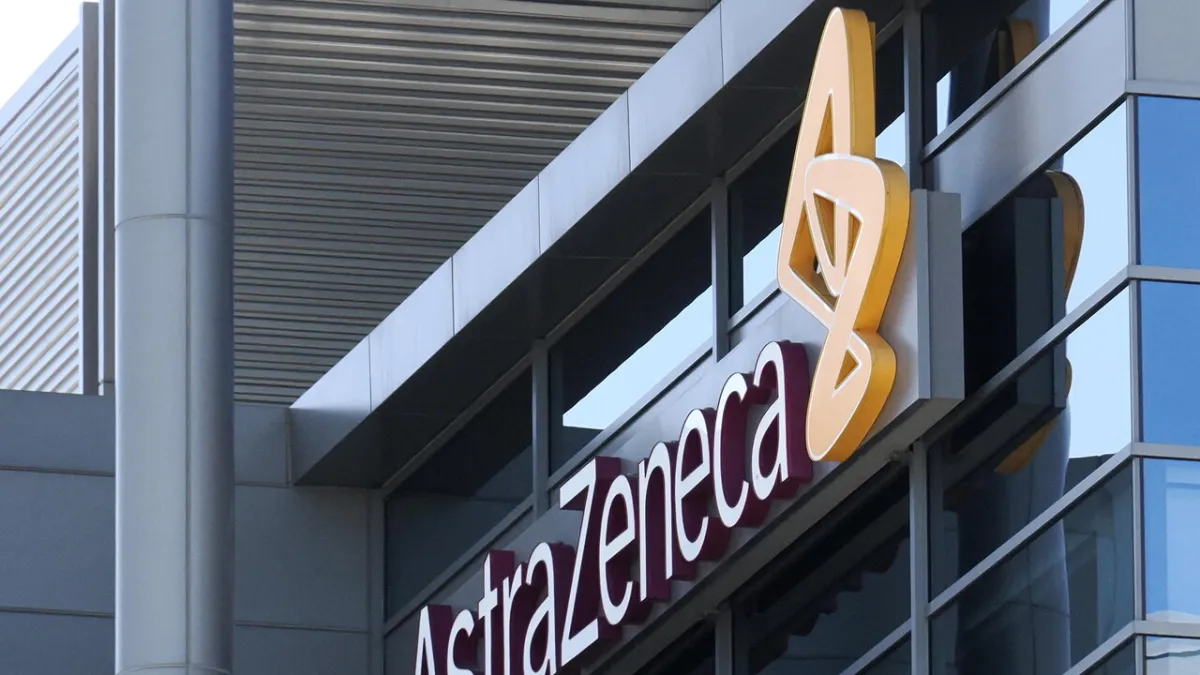
London – The global pharmaceutical industry faces a potential seismic shift following a Financial Times report in early 2026 that Anglo-Swedish pharmaceutical giant AstraZeneca is exploring negotiations for a massive merger with American biopharmaceutical company, Bristol Myers Squibb (BMS). The deal, estimated to be worth a staggering 400 billion US dollars, could create the world's fourth largest 'Big Pharma' entity by market capitalization.
This strategic move reflects an accelerating trend of consolidation in the pharmaceutical sector, driven by the urgent need to fund increasingly expensive research and development (R&D) and to secure market share in a highly competitive landscape. If realized, this merger would not only reshape the competitive environment but also have significant implications for drug innovation and patient access.
AstraZeneca, renowned for its robust portfolio in oncology, cardiovascular, renal, and metabolic medicines, continuously seeks opportunities to expand its reach. The company has demonstrated aggressive growth in recent years, particularly through strategic acquisitions and a focus on innovative therapies.
Meanwhile, Bristol Myers Squibb is a key player in oncology, immunology, and cardiovascular fields, boasting several top-selling drugs. BMS's portfolio quality could be a perfect complement to AstraZeneca's, creating unparalleled synergistic power across various key therapeutic areas.
The initial negotiations reported by the Financial Times indicate the seriousness of both parties in considering a merger of this magnitude. Although specific details regarding the deal structure and leadership have not been disclosed, market speculation has fueled both excitement and apprehension among investors and competitors.
Market analysts predict that the combined assets of both companies would result in immense R&D capabilities, potentially accelerating the discovery of vital new medicines. A merged deep pipeline could lead to breakthroughs in cancer treatment, autoimmune diseases, and other chronic conditions.
However, this mega-merger is certainly not without significant challenges. Antitrust regulations in various jurisdictions, including the United States, Europe, and the United Kingdom, will be major hurdles. Competition authorities will meticulously scrutinize the potential impact on innovation, drug prices, and consumer choice.
Furthermore, the operational integration of two multinational companies of this scale is a complex task requiring meticulous planning and flawless execution. Divergent corporate cultures, disparate IT systems, and workforce rationalization are some of the issues that must be carefully addressed to ensure the merger's success.
\"This is a clear indication that the pressure in the pharmaceutical industry to achieve economies of scale and fund innovation has reached its peak,\" stated a senior analyst from a global financial institution who preferred to remain anonymous. \"This merger, if successful, will set a new benchmark for consolidation in the modern era.\"
Investors will closely monitor the progress of these negotiations. The potential for shareholder value creation through cost and revenue synergies could be substantial, but the risks of integration failure or regulatory rejection also cannot be overlooked.
In the context of the evolving global economy of 2026, still adapting post-pandemic, such a merger can also be seen as a defensive move to build resilience and strengthen positioning amid economic uncertainties. The availability of significant capital for investment and expansion becomes crucial.
The merger between AstraZeneca and Bristol Myers Squibb, if realized, would be one of the largest transactions in pharmaceutical industry history. It is not just about the numbers, but about how the future of global healthcare might be shaped by the combined might of these two giants.