 Chandra Wijayanto
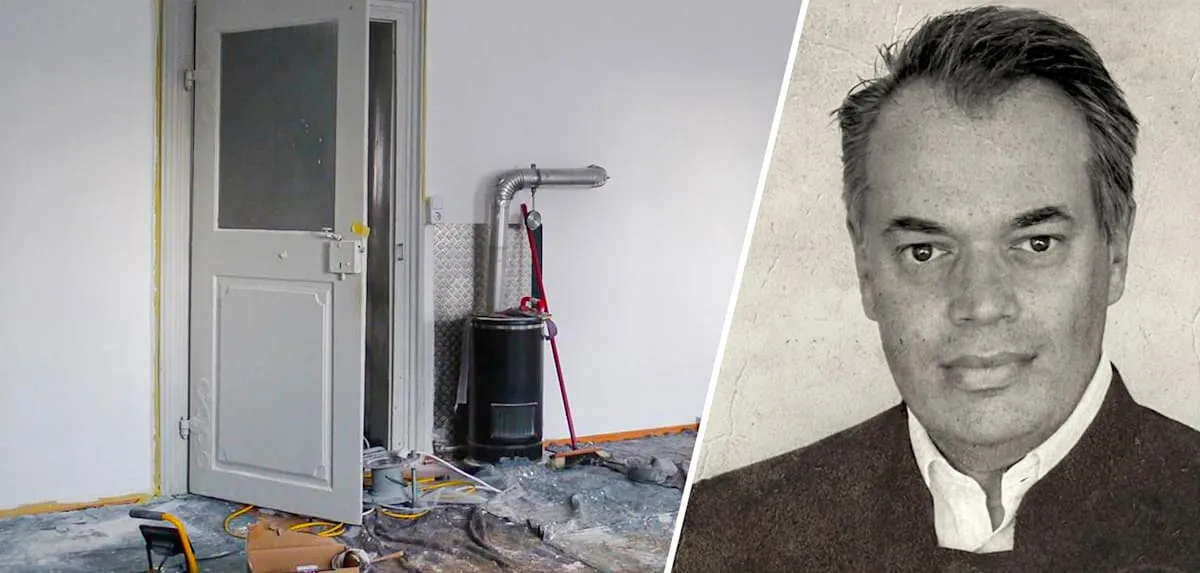
BERLIN – Germany's Minister for Economic Affairs and Climate Action, Robert Habeck, launched an ambitious initiative in 2026 that has sparked intense debate across the nation. This urban restructuring program, ostensibly based on climate neutrality, has instead raised widespread concerns about potential extreme gentrification and a surge in living costs that could become unaffordable for a significant portion of the populace.
Habeck is no stranger to controversy, particularly after his tenure as the \"Heating Hammer,\" a period marked by heavily criticized energy and climate policies. Public support for him as chancellor in the previous election stood at merely 11.8 percent, reflecting significant doubts about his leadership vision. Now, he returns in a new role as the \"Stadtumbauer der klimaneutralen Champagnerklasse\" or the city rebuilder of the climate-neutral champagne class.
The concept of a \"Champagne Class\" explicitly refers to the development of luxurious, high-tech urban infrastructure designed to attract elites and large-scale investments. This project encompasses the construction of sustainable housing with the highest energy standards, exclusive commercial areas, and modern public facilities that prioritize premium aesthetics and comfort. However, the \"champagne class\" label implicitly underscores limited accessibility and potential economic exclusivity.
This initiative is designed to transform major German cities into hubs of green innovation, complete with advanced transportation systems, energy-efficient buildings, and integrated green spaces. While the stated goals are climate change mitigation and improved quality of life, critics question whether these benefits will be distributed equitably or if they will exclusively cater to specific segments of society, particularly those with high purchasing power.
The \"very expensive\" aspect of this project is a primary concern. Initial estimates indicate that the budget allocated for this transformation will place a substantial burden on the national treasury, potentially even triggering increased taxes and levies for citizens. Economic experts have warned that without strict control mechanisms, the costs of infrastructure renovation and property upgrades could skyrocket, pushing rental prices and property values beyond the financial means of long-term residents.
Public reactions have been mixed. On one hand, some welcome the vision of modernization and commitment to climate action. On the other, fears of rapid gentrification and the displacement of low-income residents are growing. Non-profit organizations and housing advocacy groups have voiced concerns that this policy risks creating isolated pockets of luxury, while middle-to-low-income communities struggle to remain in their original neighborhoods.
A political observer from Berlin University stated, \"The government must be careful that the climate agenda does not become a pretext for policies that widen the socio-economic gap. The 'climate-neutral' narrative sounds noble, but its implementation can be highly divisive if it only serves a select few.\" This statement underscores the need for a balance between environmental ambition and social justice.
Habeck's plan also raises questions about the future of German urban architecture, which has long been known for its diversity. The transformation towards a \"Champagne Class\" style risks homogenizing urban aesthetics, sacrificing unique local identities for a uniform and elite modern image. This has sparked discussions about preserving cultural heritage and urban character amidst an ambitious wave of development.
The current coalition government, also grappling with internal political challenges and declining public support, especially after reports of Germany's political turmoil due to falling AfD support and criticized public reforms, must exercise extreme caution in managing this project. The success or failure of Habeck's initiative will not only determine his political future but also the direction of Germany's social and economic development in the coming decades.
Some quarters compare this project to urbanization initiatives in other global cities that have experienced rapid gentrification, where economic growth is often accompanied by increased disparities. Meanwhile, innovative and inclusive investment options could provide a solution, as reviewed in the article 2026 Investment Breakthrough: Elite Wealth Strategies Now Accessible To All!, which emphasizes the importance of investment accessibility for all segments of society.
In response to criticism, the Ministry for Economic Affairs and Climate Action claims it will incorporate protective clauses for low-income residents. However, the details of implementation and the effectiveness of these clauses remain unclear, prompting skepticism from various parties. Promises to ensure inclusivity must be translated into concrete, verifiable policies.
In a broader context, the German President himself once warned that democracy is threatened by anti-systemic forces. Habeck's project, if not managed wisely, has the potential to exacerbate polarization and dissatisfaction, creating openings for anti-establishment sentiments that could erode the foundations of democracy.
Ultimately, Habeck's ambition to create climate-neutral German cities is a commendable vision, but the challenge lies in how to realize this vision without sacrificing social cohesion and principles of justice. The future of German cities, and the political fate of Robert Habeck, depend on the ability to navigate these complexities wisely and inclusively.