 Dorry Archiles
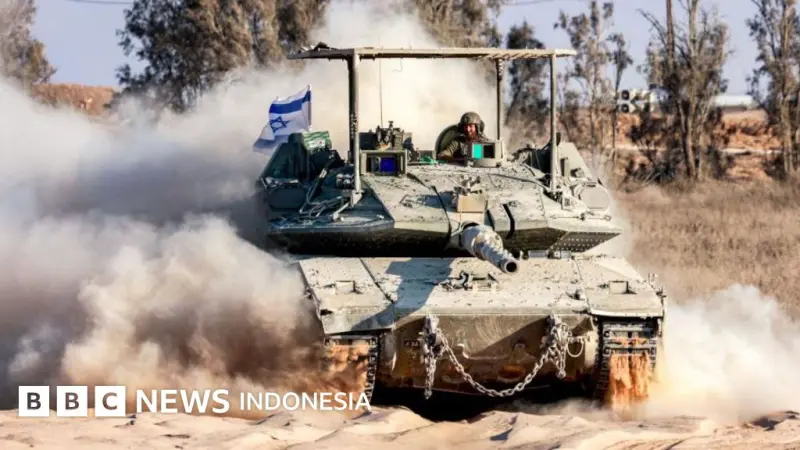
GAZA – The Israel Defense Forces (IDF) announced in 2026 that they had neutralized a senior Hamas commander believed to have played a central role in the planning and execution of the brutal attack on Israel on October 7. This precision operation, the exact location of which was not disclosed, underscores Israel's commitment to hunting down every individual responsible for the deadly incident, while simultaneously fueling speculation about an escalation of the conflict in the Gaza Strip.
The death of this Hamas military official represents a significant blow to the militant group's command structure, especially given his involvement in the cross-border attack that shocked the world. Israeli military sources stated that the commander was one of the key architects behind the infiltration and atrocities that killed thousands of Israeli civilians and military personnel, and took hundreds hostage.
The IDF did not elaborate on the full identity or how this targeting operation was carried out, but affirmed that the action was part of ongoing efforts to dismantle Hamas's terror infrastructure. This claim comes amidst intensive Israeli military operations still underway in various parts of Gaza, targeting Hamas strongholds, tunnels, and combat units.
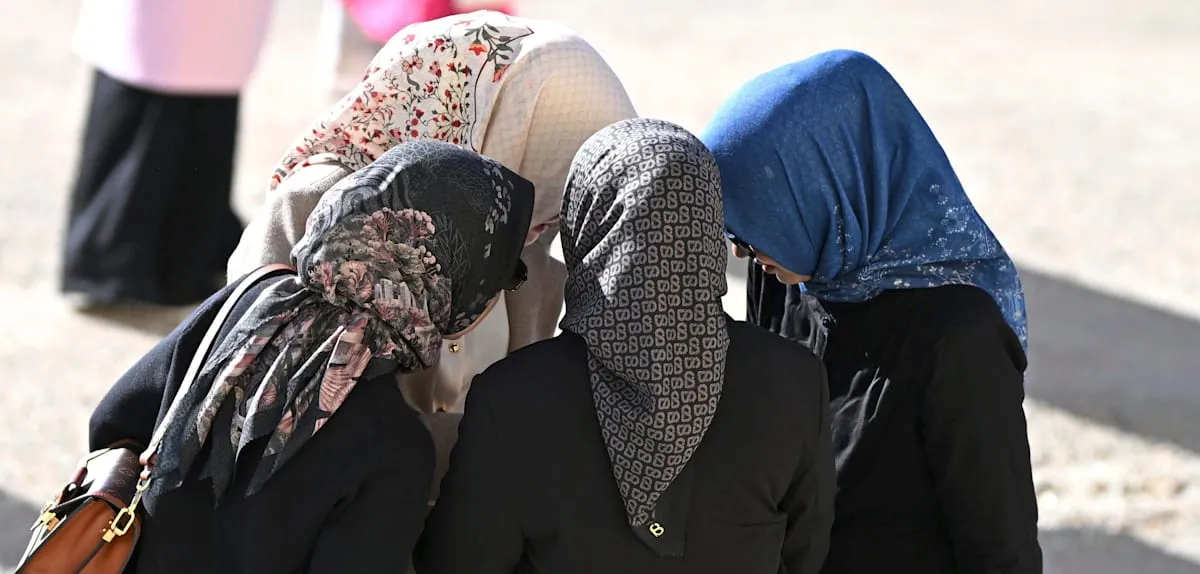
This incident occurs as regional tensions heighten. The Islamic Republic of Iran, through its Supreme Leader Ayatollah Ali Khamenei, called on Islamic countries to Recognize the true enemy and counter its plan. This statement implicitly points to Israel and its allies, warning of broader destabilization if the situation is not collectively addressed.
Khamenei, in his address to a delegation of Islamic states, emphasized the importance of Muslim unity in facing what he perceives as a detrimental agenda. He underlined the need for a unified strategy to protect the interests and sovereignty of Islamic nations from external intervention.
The Iranian leader's statement adds a layer of complexity to the Israel-Hamas conflict, which has long been a proxy battlefield for regional powers. Iran openly supports Hamas and other militant groups in the region, making every escalation in Gaza a potential trigger for a larger confrontation.
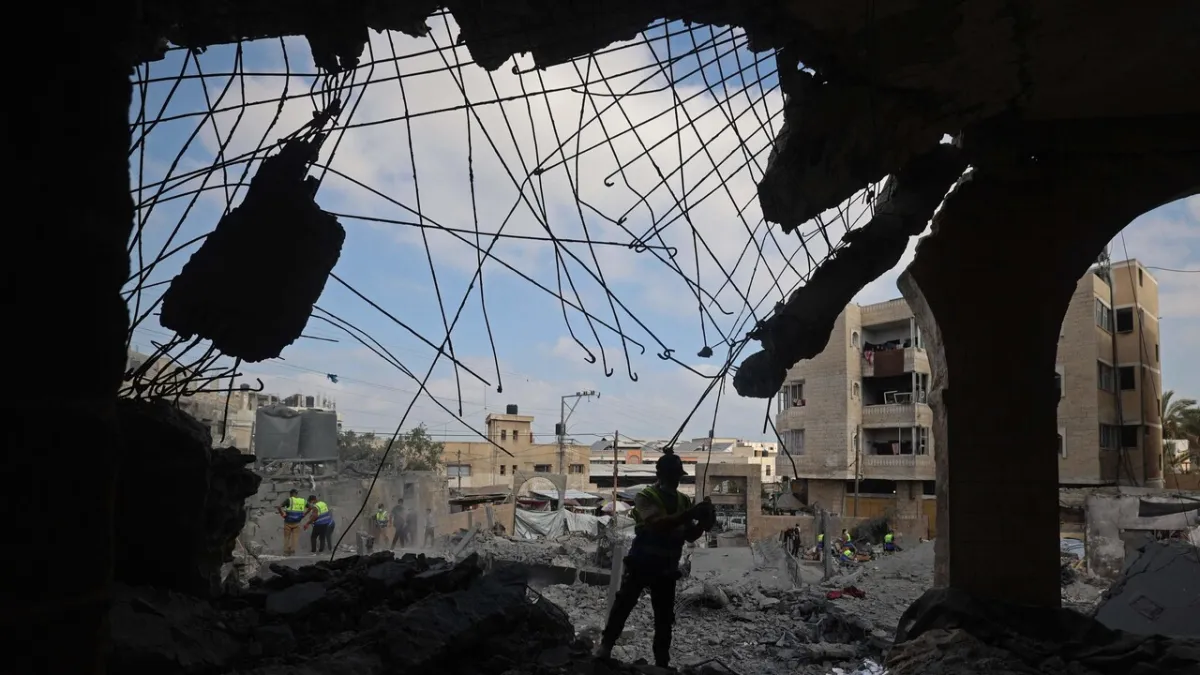
Since the October 7 attack and Israel's massive military response, the Gaza Strip has been an arena of immense destruction, with thousands of civilian casualties and millions displaced. The international community continues to call for a permanent ceasefire and a two-state solution, although diplomatic efforts are often hampered by deep disagreements between the warring parties.
Despite international mediation efforts, such as those that might be discussed in high-level secret meetings to address global conflicts like the secret summit initiated by the CIA, any significant military action like this commander's targeting has the potential to undermine peace prospects. Sensitive issues such as hostage exchanges and humanitarian aid become increasingly difficult to implement amidst ongoing military operations.
Geopolitical observers note that the elimination of a senior Hamas commander, while perhaps seen as a tactical victory for Israel, could trigger a new cycle of violence. Hamas is likely to retaliate, which in turn would provoke an Israeli response, creating an endless spiral of conflict for civilians in Gaza.
The situation in the Middle East, particularly around Gaza, remains highly volatile. Threats to regional security continue to loom, with concerns about the outbreak of a wider conflict involving state and non-state actors. The international community continues to monitor developments closely, aware that every minor incident can have major implications.
Editorial Insight: The killing of a Hamas commander involved in the October 7 attack by Israel is a significant move demonstrating Israeli military resolve. However, such actions also carry an inherent risk of escalation. Rather than de-escalating tensions, this action could provoke retaliatory responses from Hamas and its allies, further pushing away the prospects of a peaceful resolution. Khamenei's call for Islamic nations to recognize the true enemy also indicates a united front of resistance against Israel, which could prolong the conflict and add to the humanitarian suffering in the region.