 Chris Robert
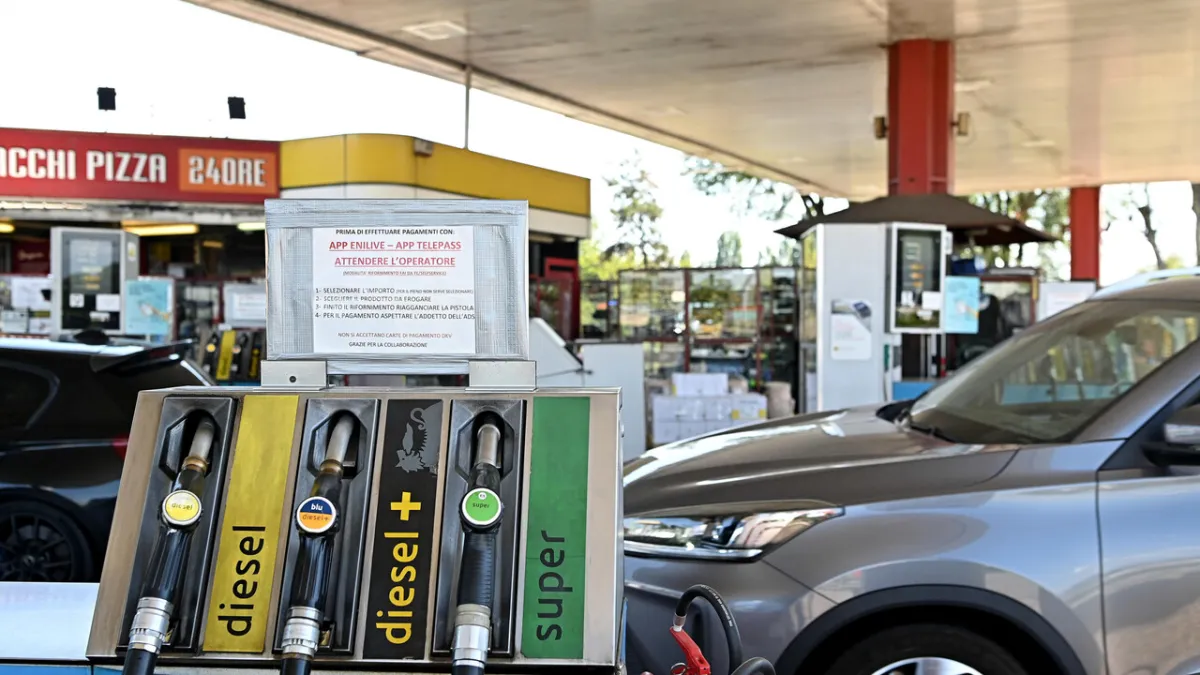
ROME – The rising cost of fuel has once again become a central concern in Italy, triggering widespread apprehension regarding consumer purchasing power. Over the past month, consumers have experienced a significant surge in both gasoline and diesel prices. Latest data reveals that gasoline prices have climbed by 5.5 cents per liter, while diesel recorded an even sharper increase of 6.7 cents per liter, effective from August 5. This situation immediately impacts the transportation and logistics sectors.
This fuel price hike occurs amidst an unstable global economic climate, where fluctuations in international crude oil prices often serve as a primary catalyst. Although the individual increases appear minor in cents, the cumulative effect over daily and monthly consumption volumes imposes a substantial financial burden on both households and businesses across Italy.
The transportation sector is among the first to feel the immediate effects. From private motorists to logistics companies relying on truck fleets, all are confronting a significant rise in operational costs. This has the potential to trigger a domino effect, wherein goods distribution costs will escalate, ultimately driving up the prices of consumer products.
The higher increase in diesel prices, compared to gasoline, carries serious implications for industry and agriculture. Diesel is a vital fuel for heavy machinery, commercial vehicles, and agricultural equipment. This increase in costs could diminish business profit margins and even compel some to raise their product selling prices.
The Italian government is now under pressure to address this situation. Various stakeholders are beginning to urge the government to take concrete steps, whether through subsidies, tax adjustments, or other policies that can alleviate the burden on the populace. However, every fiscal policy inherently carries consequences for the state budget.
Italian citizens, already grappling with inflation challenges in diverse sectors such as food and electricity, now face increasingly expensive transportation costs. Independent studies indicate that rising fuel prices could reduce household budget allocations for other essential needs, threatening the quality of life for a significant portion of the population.
Data released by relevant institutions indicate that the average price increases are the most significant in recent months. The 5.5 cent rise for gasoline and 6.7 cent rise for diesel are not momentary anomalies but rather part of a larger trend demanding serious attention from monetary authorities.
Economists predict that if this upward trend continues unchecked, Italy's national inflation rate could experience an even sharper surge. This would further exacerbate economic growth projections and suppress overall purchasing power, thereby slowing down post-pandemic recovery and other global crises.
This increase also serves as a reminder of the importance of diversifying energy sources and developing renewable energy. Reliance on fossil fuels makes the economy vulnerable to global price fluctuations, which are often influenced by geopolitical dynamics and international supply-demand.
For comparison, several neighboring European countries are also facing similar pressures related to energy prices. However, the level of dependency and tax structures in each country can lead to varied impacts. Italy, with its large industrial and tourism sectors, has a high sensitivity to transportation costs.
Consumer groups are demanding greater transparency from energy companies and the government regarding the factors driving these price increases. They hope for adequate explanations so that the public can fully comprehend the reasons behind fluctuations that directly impact daily expenditures.
Editorial Insight: The rise in fuel prices in Italy, particularly the steeper increase for diesel, indicates broader inflationary pressures on the real sector. The current Italian government needs to re-evaluate its long-term energy strategy, including options for price stabilization or accelerating energy transition. Failure to address this issue could trigger more severe social and economic unrest, hindering the country's recovery and economic stability.