 Edward DP Situmorang
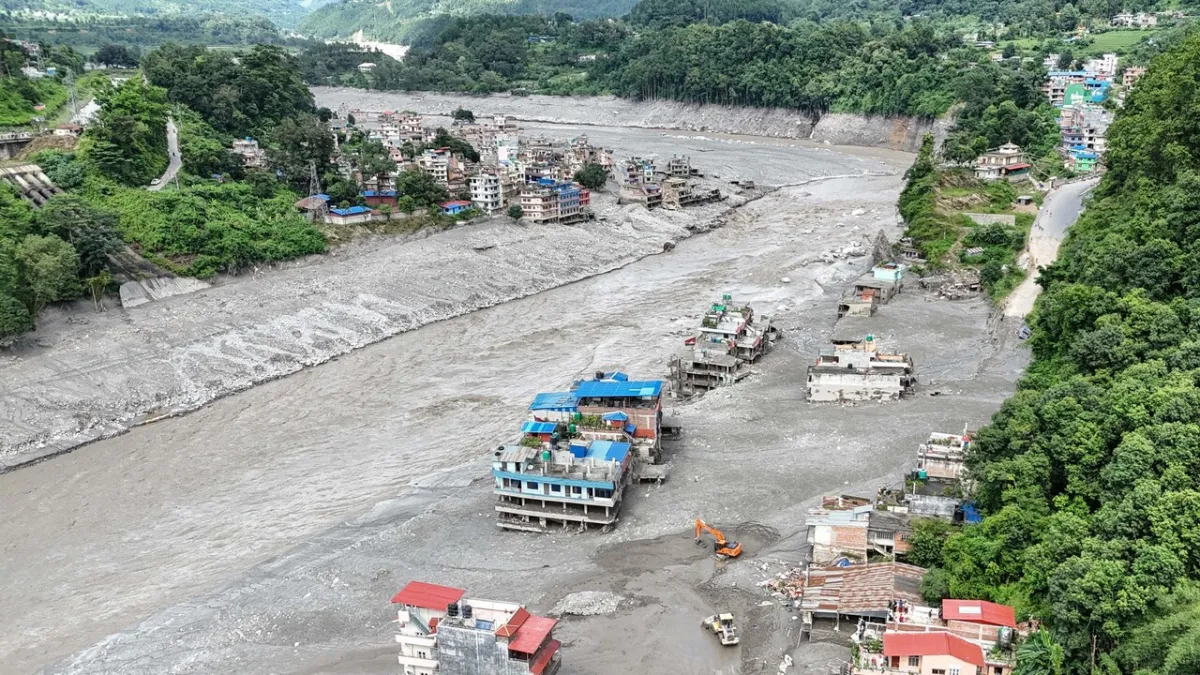
KATHMANDU – Nepal authorities in 2026 announced that two Italian citizens are among the thousands reported missing following devastating flash floods and landslides that struck the Himalayan region. This incident unfolds amid serious warnings of potential new water surges from the Tibet region, escalating concerns over a humanitarian crisis in the area. The Italian government, through its Ministry of Foreign Affairs (Farnesina), immediately initiated verification of its citizens whereabouts, underscoring the urgency of the situation.
The latest joint report released by various disaster management agencies in Nepal indicates a distressing scale of the tragedy. Data shows a total of 1,300 people remain unaccounted for, while the death toll has reached 332. These numbers are expected to rise as search efforts are hampered by extreme terrain conditions.
Specifically, of the total missing, 517 are identified as foreign tourists. The disappearance of two Italian citizens adds to the long list of international visitors whose fate remains a mystery. This situation echoes previous reports on discrepancies in casualty data between Kathmandu and Beijing, as highlighted in the article 517 Foreign Tourists Missing in Nepal-Tibet Floods, Kathmandu vs. Beijing Data Heats Up.
A growing threat emerges from the northern border, with early warnings about a significant increase in water levels in rivers originating from the Tibetan plateau. The extreme monsoon season gripping the Himalayas is the primary trigger for this series of disasters. The steep and fragile geographical conditions exacerbate the impact of the floods, triggering landslides that destroy vital infrastructure and cut off transportation routes.
The Nepalese Minister of Home Affairs, during a press conference, stated, We continue to exert maximum effort in search and rescue operations, but the terrain challenges are immense. Our priority is to find the victims and provide assistance to those affected. Coordination efforts with foreign diplomatic missions have also been intensified to track their respective citizens.
Joint rescue teams, comprising military personnel, police, and volunteers, face significant obstacles, including completely severed road access. ANSA journalists previously reported how monsoons can paralyze roads with border queues reaching 16 hours, illustrating the difficulty of aid distribution in remote areas.
Communication infrastructure in many remote areas is also crippled, hindering the process of identifying and reporting victims. Many villages are isolated, with residents trapped without access to food, clean water, or emergency medical services. This situation is compounded by the suspected explosion of a glacial lake as a trigger for the devastating flash floods, adding to the complexity of the disaster. Further information can be found in the article Nepal Hit by Devastating Flash Floods, Glacial Lake Outburst Suspected Cause.
The Government of Nepal has issued an appeal to the international community for immediate humanitarian assistance. Urgent needs include:
- Tents and temporary shelters
- Food and clean water
- Medicines and medical supplies
- Blankets and warm clothing
- Technical assistance for infrastructure reconstruction
The international community is expected to respond quickly given the persistent threat of extreme weather.
This event serves as a bitter reminder of the Himalayan region's vulnerability to climate change and natural disasters. The increasing frequency and intensity of extreme weather demand more comprehensive mitigation and adaptation strategies from regional governments and global support.
Editorial Insight: The Himalayan disaster this time is not merely a singular incident, but a complex manifestation of global climate change and geographical vulnerability. The presence of foreign nationals, particularly from Italy, elevates diplomatic urgency and highlights the critical role of international coordination. The threat of water surges from Tibet indicates that this crisis has broader regional dimensions, requiring cross-border solutions and long-term preparedness. Without coordinated responses and infrastructure adaptation, the region will continue to face similar threats in the future.