 Chris Robert

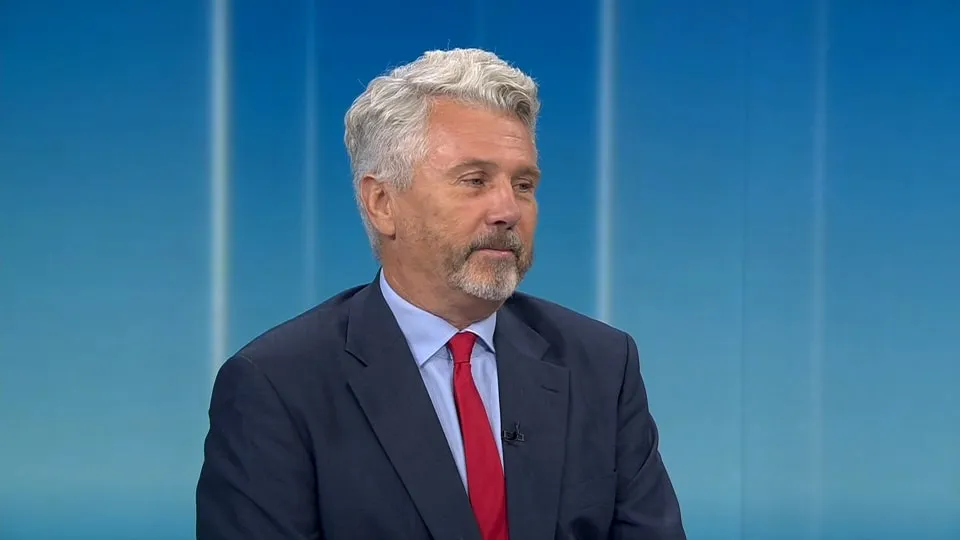
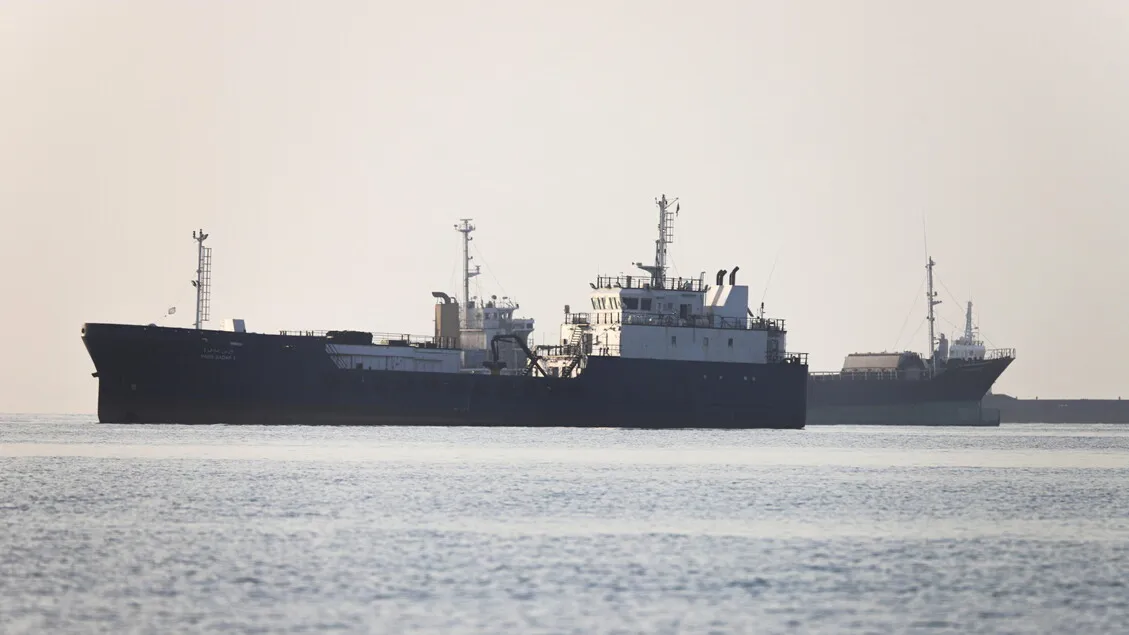
Berlin — The security situation in the Strait of Hormuz has significantly deteriorated in 2026, prompting a leading defense politician from Germany's Social Democratic Party (SPD), Siemtje Möller, to emphatically demand the immediate withdrawal of Bundeswehr troops currently stationed in Djibouti. Möller asserted that the prerequisites for the Hormuz mission have vanished, and the return of soldiers to the region can only be considered once a stable ceasefire is achieved.
Siemtje Möller's insistence reflects deep concerns regarding the potential escalation of conflict in one of the world's most critical shipping lanes. The German military presence in Djibouti has been part of international efforts to maintain stability and maritime security in the Gulf region, especially the Strait of Hormuz, which is vital for global energy supplies.
Möller, who serves as one of the most influential voices on the Bundestag's defense committee, has been transparent about her assessment. She believes that on-the-ground conditions no longer support the mission's original objectives. This statement immediately sparked intense debate among parliamentarians and the public concerning the future of German military involvement in the Middle East.
The situation in Hormuz itself has indeed been a flashpoint of geopolitical tension for many years. Various incidents, ranging from attacks on oil tankers to provocative military maneuvers, have exacerbated the atmosphere, raising fears of a larger-scale conflict that could trigger a global energy and economic crisis.
Möller's specific quote emphasized that, "The conditions for continuing the Hormuz mission have faded. We cannot place our soldiers in unnecessary risk when the primary objectives of the mission can no longer be effectively achieved." This statement underscores the necessity of a strategic re-evaluation of Germany's role in the region.
The German government under Chancellor Olaf Scholz now faces significant pressure to respond to these demands. The decision to withdraw troops is not merely a logistical step but a strong political statement regarding Germany's national security priorities and foreign policy.
International defense analysts view this move as an indication that Germany may be reconsidering its involvement in overseas military missions, particularly in conflict-prone regions. Priorities might shift towards diplomacy or non-military forms of support.
The withdrawal of troops from Djibouti would mean hundreds of German military personnel returning home, raising questions about the impact on Germany's alliances and strategic partnerships with countries in the region. Djibouti itself serves as an important military base for several Western nations.
Germany's history of involvement in international missions has always been based on clear mandates and enabling conditions. When these conditions are no longer met, as Möller articulated, then troop withdrawal becomes the most sensible option for the safety of personnel and policy effectiveness.
Tensions in the Gulf region have repeatedly triggered global concerns. A related article, Threat of Iran Escalation: Global Oil Prices Ready to Permanently Soar?, published by Cognitodaily.com, illustrates how crucial stability in the Strait of Hormuz is for the world's energy markets.
This step also aligns with the potential shift in global power dynamics and European countries' focus on more pressing domestic or regional issues. Germany, as Europe's largest economy, bears significant responsibility in determining the direction of its foreign policy.
The final decision regarding troop withdrawal will likely undergo intense debate in the Bundestag. The public will anticipate how the government balances international commitments, soldier safety, and broader geopolitical implications.
Since 2026, Germany has continuously evaluated its military role in various global conflicts. Möller's demand marks an important moment to review the country's defense and security strategy amidst an ever-volatile geopolitical landscape.