 Angela Stefani
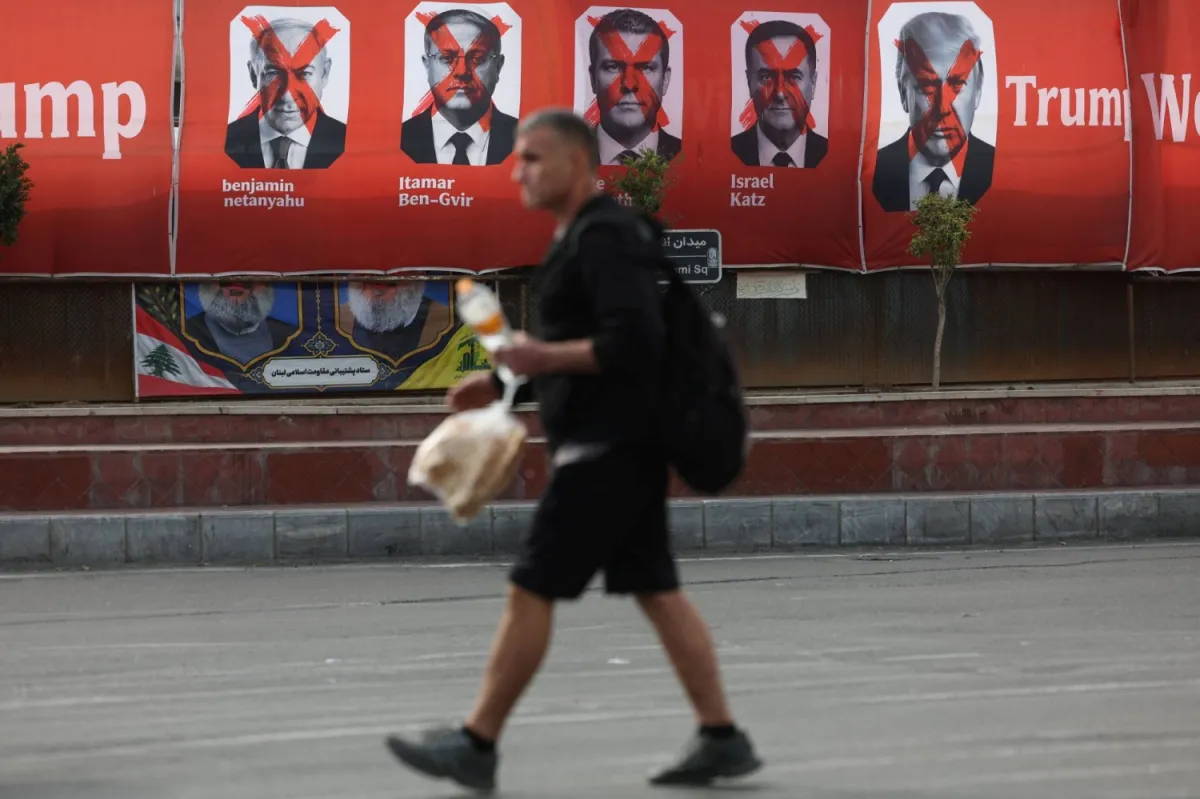
Manama – The Kingdom of Bahrain has accused the Islamic Republic of Iran of being responsible for a series of attacks on a vital industrial site within its territory and tanker incidents in the Strait of Hormuz last week. These incidents mark an end to a relatively brief lull in tensions, following the resumption of conflict with US and Israeli strikes against Iran in late February 2026.
This statement from the Bahraini government signals a serious escalation in the already fragile geopolitical dynamics of the Gulf region. The claimed attacks targeting industrial facilities have triggered deep concerns about the long-term economic and security implications for countries in the Persian Gulf.
The Strait of Hormuz, a strategic shipping lane connecting major oil producers in the Middle East to global markets, is once again a focal point. Incidents involving tankers in these waters directly threaten the stability of the world's energy supply and could lead to a surge in global oil prices.
This crisis is a continuation of a wave of tensions that peaked since preventive strikes by the US and Israel against several targets in Iran last February. Those actions were taken in response to alleged Iranian nuclear activities and missile programs deemed to threaten regional security.
The previous brief pause in the conflict has now ended, indicating that a cycle of retaliation and escalation is once again dominating the political landscape of the Middle East. Initial analyses suggest that the attacks in Bahrain and Hormuz may be a veiled response from Tehran.
The Bahraini government has not released specific details regarding the industrial site attacked, but asserts that the damage inflicted is significant and requires a thorough investigation. Bahraini authorities have pledged to bring the perpetrators to international justice.
The international community urges all parties to exercise restraint and seek diplomatic solutions to prevent a wider conflict. Various major countries, including members of the UN Security Council, are beginning to express concern over the potential global impact of this escalation.
Regional security analysts, including experts from global think tanks, warn that the situation in the Strait of Hormuz could rapidly deteriorate. Any serious disruption to tanker traffic could trigger an international energy crisis.
A report from the International Energy Agency (IEA) in 2026 had issued a warning about Hidden Energy Consumers Posing Major Threats to Global Turmoil 2026. This escalation in the Strait of Hormuz certainly underscores the relevance of that warning, given the Strait's importance to global energy supply. Read more about global energy threats.
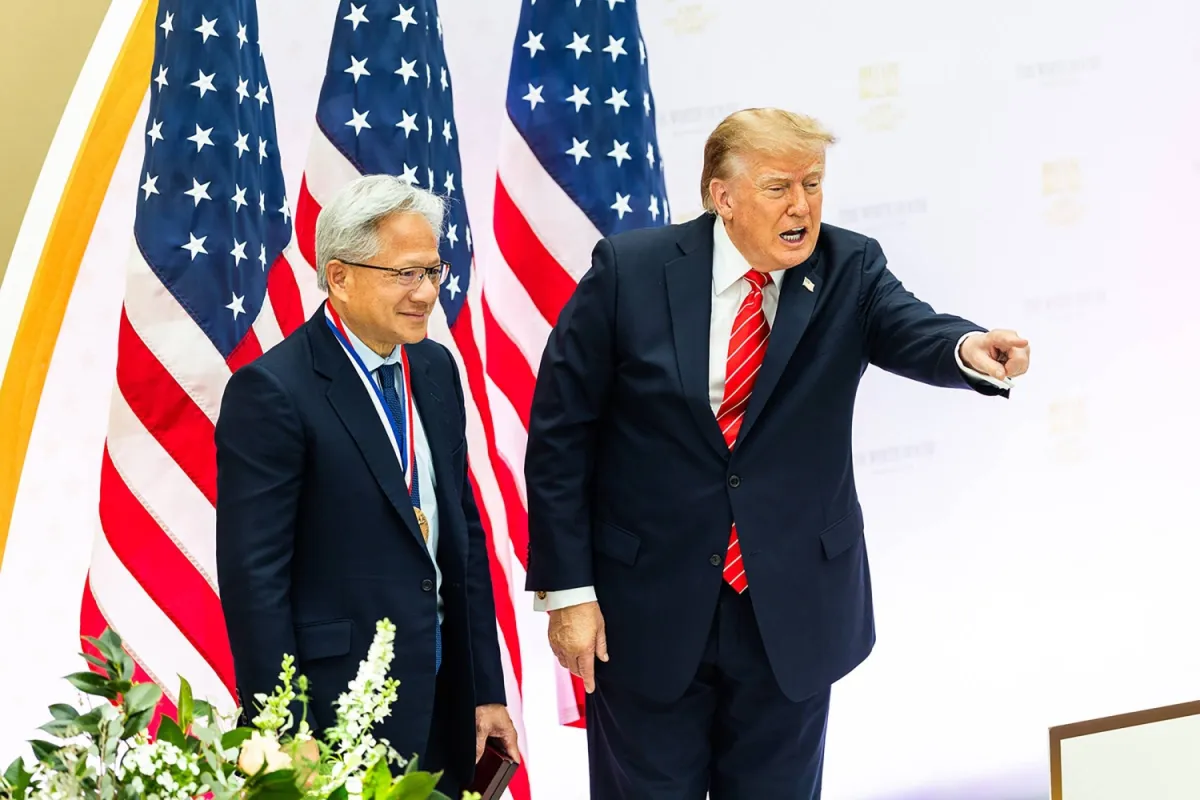
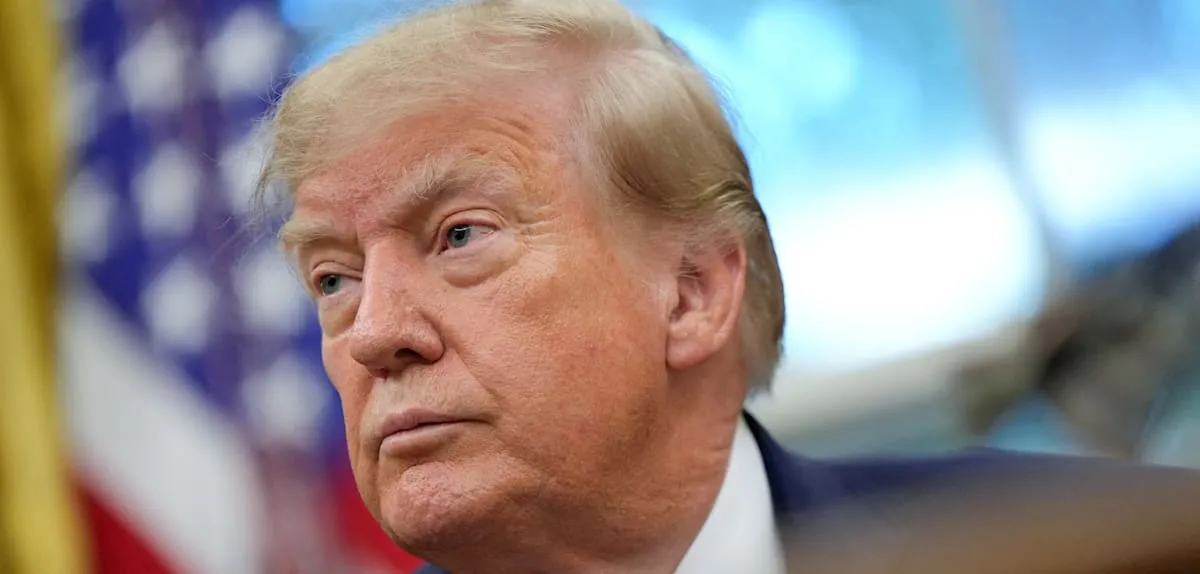
US President, Donald Trump, through his spokesperson, has expressed deep concern over reports of these attacks and reaffirmed Washington's commitment to protect freedom of navigation and the security of its allies in the region.
While Tehran has not officially claimed or denied the allegations, the history of conflict in the region shows a pattern of proxy attacks and open denials that often occur. This situation adds a layer of complexity to efforts to find clarity and accountability.
The consequences of these incidents are not limited to the energy sector. Disruptions to regional security stability could potentially affect other global trade routes and foreign investment in Gulf states, slowing the ongoing post-pandemic economic recovery in 2026.
The situation in the Strait of Hormuz is a critical barometer for global geopolitics. Every incident there has ripples that are felt far beyond regional borders, affecting commodity prices and the foreign policies of superpowers.
Editorial Insight: The escalation of tensions between Bahrain and Iran, with the Strait of Hormuz as the focal point, highlights the fragile balance of power in the Middle East. These claimed attacks have the potential to trigger a larger spiral of retaliation, threatening crucial global energy stability. The role of international diplomacy and restraint from all parties is vital to prevent a full-scale conflict whose impacts would be felt worldwide, especially given the already turbulent context of 2026.