 Stefani Rindus
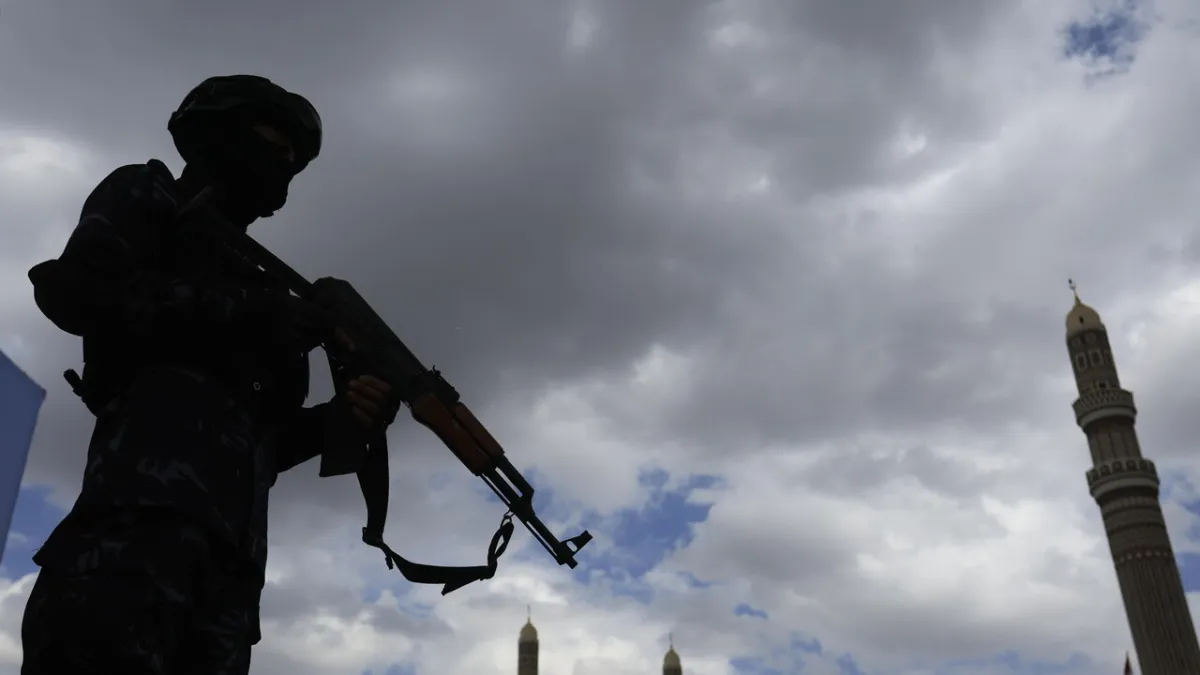
Sanaa – Geopolitical tensions in the Middle East flared anew after Yemen's Houthi group explicitly declared it was not at war with Italy, yet highlighted the presence of Italian fighter jets in Saudi Arabian territory as a source of serious concern. This statement was conveyed directly by the Sanaa-based government to the ANSA news agency, following reported attacks causing smoke and flames near Riyadh International Airport in 2026, leading to significant flight disruptions.
We do not wish to involve you. We are defending ourselves from aggression, a Houthi representative stated, referring to military operations they claim are a response to foreign intervention. The incident in Riyadh was reported by residents to France Presse, with Flightradar data confirming numerous flight cancellations and delays.
This situation underscores the complexity of the long-running Yemeni conflict, which is now expanding, potentially drawing in more international actors. The presence of European military assets on the Arabian Peninsula invariably draws scrutiny, particularly when regional tensions peak.
The Houthi statement can be interpreted as a veiled diplomatic effort to prevent further escalation with European nations, while also serving as a warning against their involvement in the regional conflict. They consistently position themselves as defending against aggression from the Saudi-led coalition.
The presence of Italian military aircraft in Saudi Arabia is not entirely unknown. For years, many Western countries, including Italy, have engaged in military cooperation with Riyadh, whether through arms sales, training, or logistical support. However, in the context of Houthi-claimed attacks against Saudi Arabia, this presence becomes a crucial point of contention.
The attack near Riyadh airport, though its target and the extent of damage remain unclear, is tangible evidence that the Yemeni conflict still has the capacity to destabilize the broader region. The airport is a vital hub in the Middle East, and such incidents not only impact aviation security but also raise economic concerns.
Geopolitical analysts view the Houthi statement as a strategic move to undermine the solidarity of international support for Saudi Arabia and its allies. By specifically targeting a European nation, albeit with a non-hostile tone, the Houthis attempt to craft a more nuanced narrative.
The Red Sea crisis, often linked to the Yemeni conflict, has become a global concern. This crucial international shipping lane frequently experiences incidents that threaten global trade. In this context, any new escalation carries serious implications for global supply chains.
The Italian government has yet to officially respond to the Houthi statement. Nevertheless, this dynamic will undoubtedly become a significant agenda item in Rome's foreign policy discussions, especially given the sensitivity of military involvement in conflict zones.
This incident occurs amidst broader global turmoil, such as tensions among major powers that nearly triggered conflict in the Middle East. Indeed, AI intelligence reports had even warned of a potential war between the United States and China in the region in 2026. This highlights the fragility of the balance in this area.
The international community calls for de-escalation and a peaceful resolution to the Yemeni conflict. However, as long as the root causes of aggression and foreign intervention remain unaddressed, the threat to regional peace will continue to loom.
Editorial Insight: The Houthi statement is more than mere rhetoric; it is a carefully calculated message aimed at separating European entities from direct involvement in what they perceive as aggression from the Saudi-led coalition. The presence of Italian military assets in Saudi Arabia, regardless of their original purpose, has now been leveraged by the Houthis as a point to legitimize their retaliatory attacks. This editorial board observes a potential shift in diplomacy where non-state actors are increasingly emboldened to point fingers at Western nations, demanding accountability for their allegiances. The impact could manifest as domestic public pressure in Italy to review its military policy in the Middle East, or even spark a debate within the European Union regarding their role in regional conflicts.