 Dorry Archiles
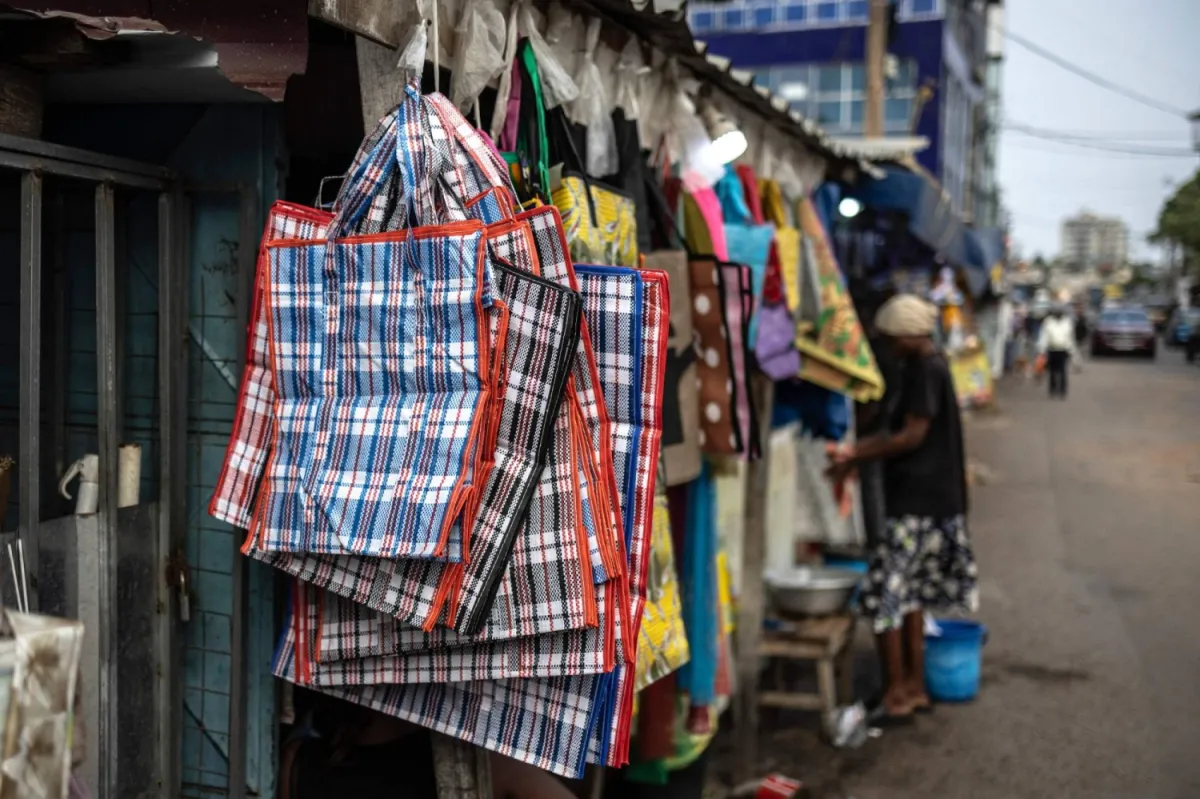
GLOBAL – A bag, an often overlooked everyday object, carries a profound and poignant history of global migration. From the dynamic urban hub of Hong Kong to the vast expanses of Africa, this bag stands as a universal symbol of human displacement, bearing the heavy burden of painful memories from mass expulsion and untold forced dislocations.
Its primary function may be merely to transport clothes, household goods, and food. Yet, beyond its practical utility, the bag transforms into an artifact narrating the resilience, despair, and hope of migrants throughout the ages. Every stitch and worn patch on its fabric reflects thousands of kilometers traveled and struggles for survival.
This bag's journey spans continents, linking individual stories to a collective narrative of forced movement. In Hong Kong, similar bags might have silently witnessed the great exodus after World War II, as residents sought to rebuild their lives amid uncertainty. Those who left their homeland carried their most precious possessions, often just a handful of hopes carefully wrapped.
The story continues to the continent of Africa, where the same bag accompanies millions fleeing armed conflict, famine, or political oppression. From humanitarian crises in Sudan to turmoil in the Great Lakes region, this bag becomes a loyal companion on perilous journeys towards safer grounds or simply a second chance.
The items stored within are the core of the identity people strive to preserve. Perhaps faded family photographs, worn important documents, or small, cherished mementos connect them to a lost past. All these are the essence of a life forcibly left behind, yet carried forward into an uncertain future.
This humble bag serves as a reminder that behind migration statistics and figures lie millions of deeply emotional personal stories. It is not just a container; it is a portable fortress that protects fragments of lives, memories, and hopes when someone is forced to carve out a new destiny in a foreign land.
The narrative of this bag underscores that migration is not a new phenomenon but an inseparable part of human civilization's history. From ancient times to the modern era of 2026, the impetus to seek a better life or escape danger continues to drive millions across geographical and cultural boundaries.
The events of displacement and dislocation depicted by this bag remain relevant today. Climate crises, prolonged global conflicts, and economic inequalities continue to trigger new waves of migration, reminding us that lessons from the past are crucial to understand.
Every fold and crease on the bag reflects human strength and vulnerability. They are silent symbols of millions who, with extraordinary courage, embark on dangerous journeys, carrying not only their belongings but also invaluable cultural and historical legacies.
Editorial Insight: The story of this humble bag as an icon of global migration is a stark reminder of the importance of empathy and understanding towards the most fundamental human experience: the search for security and hope. Amidst the geopolitical challenges of 2026, this symbol should foster deeper dialogue on humane and sustainable migration policies, recognizing the dignity of every individual undertaking such arduous journeys.