 Dodi Irawan
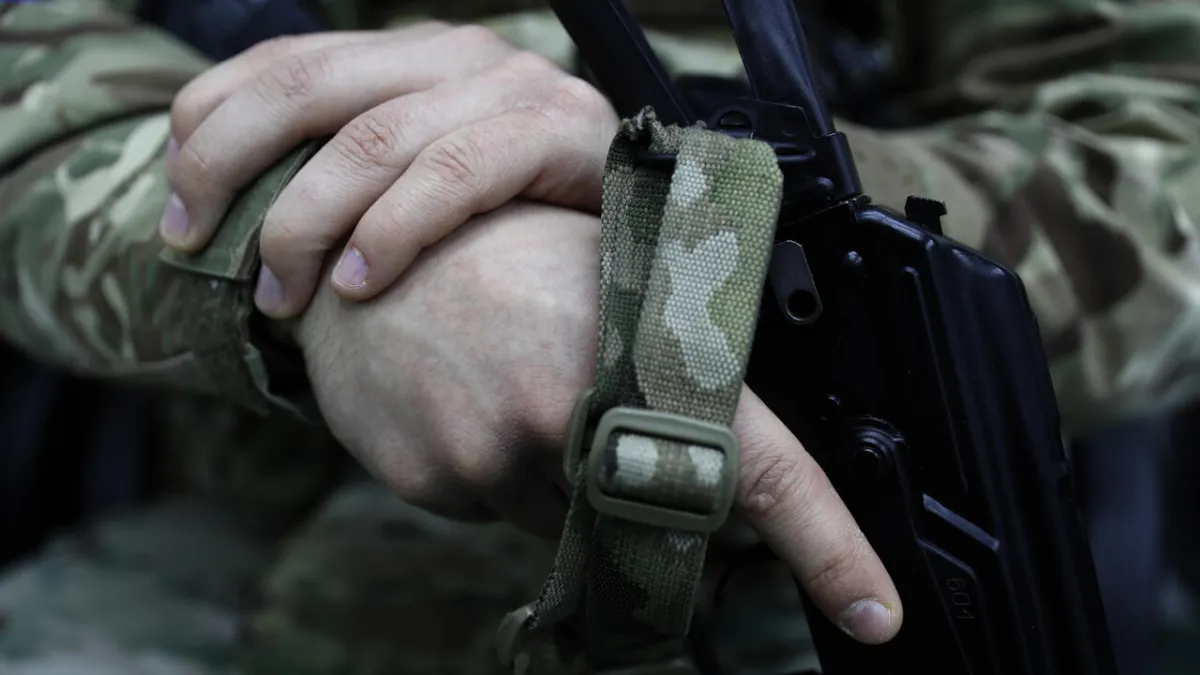
BRUSSELS – The European intelligence community is on its highest alert following the revelation of a significant increase in Moscow's attempts to target and eliminate European defense leaders across the continent in 2026. The Financial Times reported that security measures around high-ranking officials have been drastically tightened, following a series of threats now deemed far more serious.
This alarm resonates loudly through the corridors of power in various European capitals, marking a dramatic escalation in the shadow war between the West and the Russian Federation. Anonymous sources within Western intelligence services, often referred to as '007s,' confirmed a worrying pattern of increasingly bold and organized operations, aimed at destabilizing military leadership.
The heightened threat cannot be separated from the increasingly tense geopolitical context, particularly with the ongoing conflict in Ukraine and simmering tensions in the Black Sea. Moscow, under firm leadership, appears to be seeking to weaken European defense cohesion by striking at strategic leadership nodes that hold the keys to military and political decision-making.
The report indicates that these intensified efforts encompass various modes of operation, ranging from close surveillance and abduction attempts to targeted assassination plots. European defense officials are now prime targets in a scheme designed to create chaos and uncertainty amidst defense alliance coordination.
Governments in EU and NATO member states have responded by enhancing physical and cyber protection. Multi-layered security is now being implemented for travel routes, private residences, and workplaces of military leaders. This reflects an acknowledgment of the seriousness of the existing threats and vulnerabilities.
In recent months, the pattern of Russian intelligence movements has indeed shown suspicious intensity. Analysts link this phenomenon to Moscow's more aggressive strategy in confronting the Western bloc, especially after significant developments related to geopolitical maneuvers involving global leadership. This can also be seen from Russia's efforts to shift US policy, as previously discussed in an article on Putin Putar Haluan Trump terhadap Zelenskyy Melalui Aset Strategis 2026.
A director of a European intelligence agency, unnamed for security reasons, stated, We have seen a clear increase in the adversary's capabilities and intent. This is no longer just ordinary espionage; it is a more aggressive attempt to influence our stability from within. This statement underscores the observed shift in tactics.
Similar concerns have been voiced by political leaders, including those involved in internal political dynamics such as the German political crisis previously discussed in the article Krisis Politik Jerman: CDU-SPD Kehilangan Pengaruh, Mengapa?. Internal instability can be exacerbated by such external threats, creating vulnerabilities for foreign intervention.
The security measures taken involve not only an increase in the number of bodyguards or the use of armored vehicles but also significant investment in counter-intelligence technology and strengthening cyber units. The goal is to detect and neutralize potential threats before they reach their targets. Special training is also provided to support staff to recognize early signs of foreign intervention.
Such intelligence attacks have the potential for long-term impacts on regional and global security. Trust between nations may erode, triggering a spiral of distrust and complicating future diplomatic efforts. Furthermore, if assassination attempts succeed, the impact on military leadership and troop morale would be highly destructive.
Editorial Insight: This escalation reflects an increasingly tense and complex global landscape. Moscow's efforts to target European defense leaders, if proven, constitute a serious violation of sovereignty and international norms. A coordinated response from Europe and its allies is crucial to prevent further destabilization, while also sending a firm message that such aggressive actions will not be tolerated. The intelligence challenge in 2026 is no longer just about information gathering, but also about protecting the most vital human assets.