 Dodi Irawan
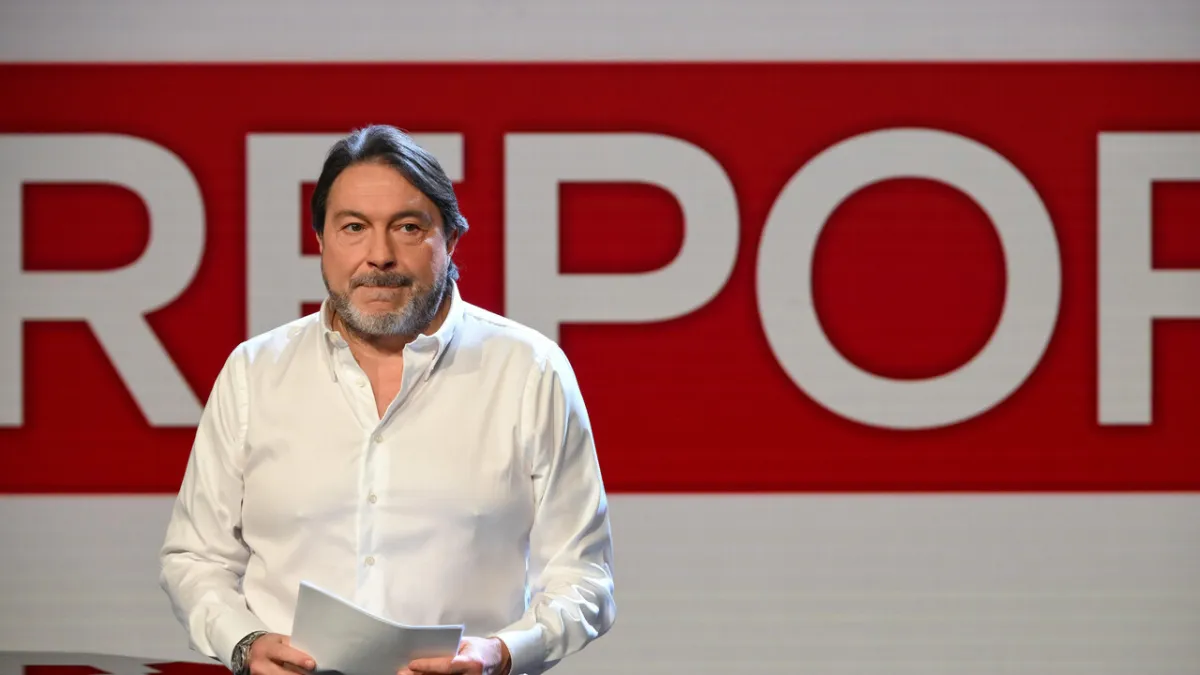
ROME – Sigfrido Ranucci, a prominent investigative journalist, publicly declared via social media that Matteo Salvini, an influential Italian politician, demanded his suspension. This claim immediately sparked serious concerns regarding press independence and the potential suppression of criticism in the public sphere in 2026.
Ranucci's statement, known for his sharp and often controversial reports, emerged as a response to perceived political pressure. The post went viral, opening a broad discussion about the role of investigative journalism in confronting political power.
Ranucci's lawyer, in his defense, described the situation as a 'delirious theater of madness'. He asserted that his client is a triple victim: of an attack, betrayal, and political instrumentalization.
Further clarification from legal counsel outlined that 'attack' refers to systematic efforts to damage his reputation, 'betrayal' might stem from internal sources or defecting colleagues, while 'instrumentalization' highlights how Ranucci is being used as a tool or target for specific political interests.
Matteo Salvini, a central figure in the Italian political landscape, has a long history of interaction with the media, often with a confrontational tone. There has been no official response from Salvini regarding these specific allegations, but his track record indicates that he is not hesitant to challenge opposing narratives.
This incident fundamentally questions Italy's commitment to the principle of press freedom, an essential pillar of democracy. Media observers and national and international journalism organizations have voiced deep concerns over the potential abuse of power to stifle critical voices.
This is not the first time a senior journalist has faced similar pressure in Italy. The country's history is filled with examples where brave journalists had to navigate threats and intimidation to uncover the truth.
Public response on social media has been diverse. Many support Ranucci, seeing him as a martyr for free speech, while others might back Salvini's views or question the motives behind the claims.
This issue reminds us of cases where major media outlets had to face legal consequences for their reporting, such as the Fox News Pays $1.2 Billion: Dominion's Defamation Saga Ends Dramatically incident, which highlights the complexity of battles in the media and legal realms.
Further developments in this case will likely be closely monitored by the international community, especially given the sensitivity of press freedom issues. A thorough investigation is needed to uncover the truth behind Ranucci's claims and the potential legal implications.
Editorial Insight: This event serves as a stark reminder of the fragile balance between political power and journalistic integrity. It underscores the perpetual struggle for media autonomy in an increasingly polarized political climate. The outcome of this dispute could set a significant precedent for press freedom in Europe.