 Demian Sahputra
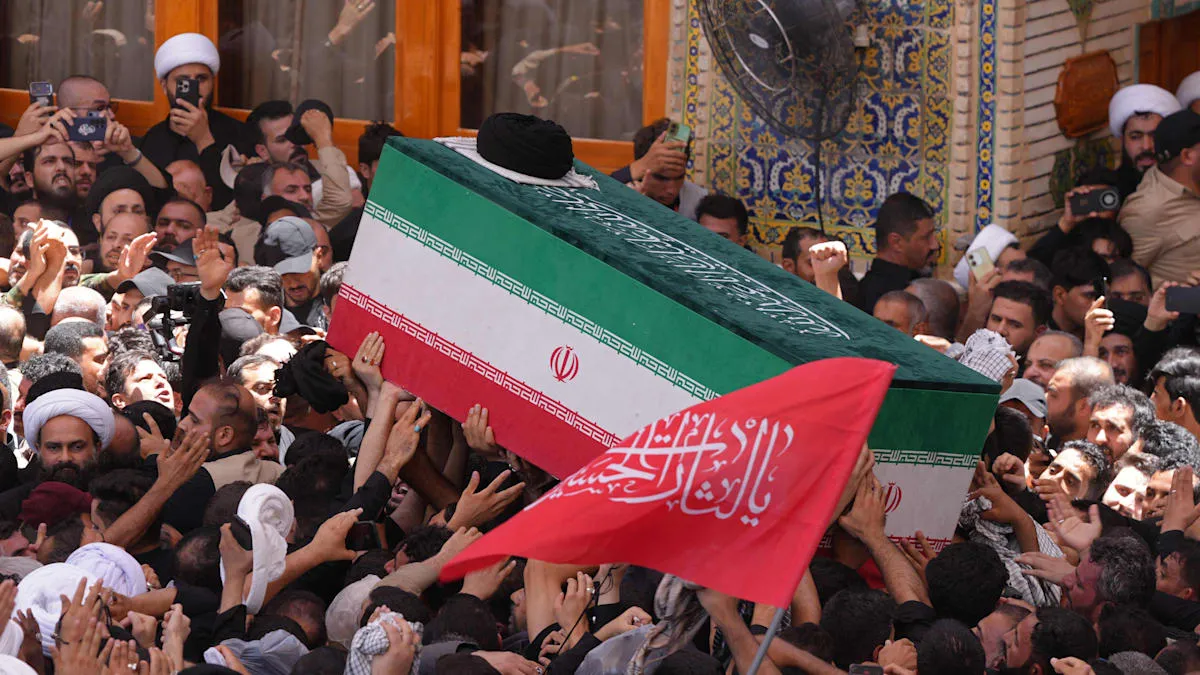
Tehran — Hundreds of thousands of Iranians flooded the streets for multi-day mourning ceremonies following the death of Supreme Leader, Ayatollah Ali Khamenei, whom Israel claimed responsibility for in 2026. Despite being shrouded in deep sorrow, this massive public demonstration is perceived as an opportunity for the Tehran regime to assert its strength on the global stage, while also reaffirming its skeptical stance on peace agreements, as stated by FDP politician Bijan Djir-Sarai.
These demonstrations of solidarity did not only take place in the capital but extended to various major and minor cities across the country. The human tide slowly accompanying the funeral procession reflects significant support for the spiritual and political leadership that has been steadfastly maintained.
Bijan Djir-Sarai, a politician from Germany's Free Democratic Party (FDP), observed this phenomenon keenly. According to him, the massive mourning ceremony was “a wonderful opportunity for this regime to publicly demonstrate strength.” This statement implies a geopolitical motive behind the expression of national grief.
Djir-Sarai's analysis further emphasizes that the ruling regime in Iran, under current conditions, “has no interest in a peace agreement coming about.” This view highlights fundamental obstacles in international diplomatic efforts repeatedly pursued to de-escalate tensions in the region.
The death of Ayatollah Ali Khamenei, reportedly orchestrated by Israel, adds a new dimension of complexity to the protracted Middle East conflict. This incident has the potential to trigger a new wave of escalation whose impact could be felt globally. International analysts are closely monitoring every step Iran takes after this tragedy.
International political observers believe that Tehran will use this momentum to rally internal support. Consolidating power through burning nationalist sentiments after the death of a charismatic figure is a common strategy in regional politics.
The threat of escalating conflict in Iran, with the possibility of retaliation, could directly impact global energy markets. World oil prices could see a permanent surge, putting economic pressure on various countries. This issue has become a serious concern in various global economic forums. More details can be found at Iran Escalation Threat: Global Oil Prices Set to Permanently Surge?.
This situation also raises questions about leadership succession in Iran and regional stability. The figure who replaces Khamenei will have a significant influence on the country's foreign and domestic policy direction, particularly regarding relations with Western countries and Israel.
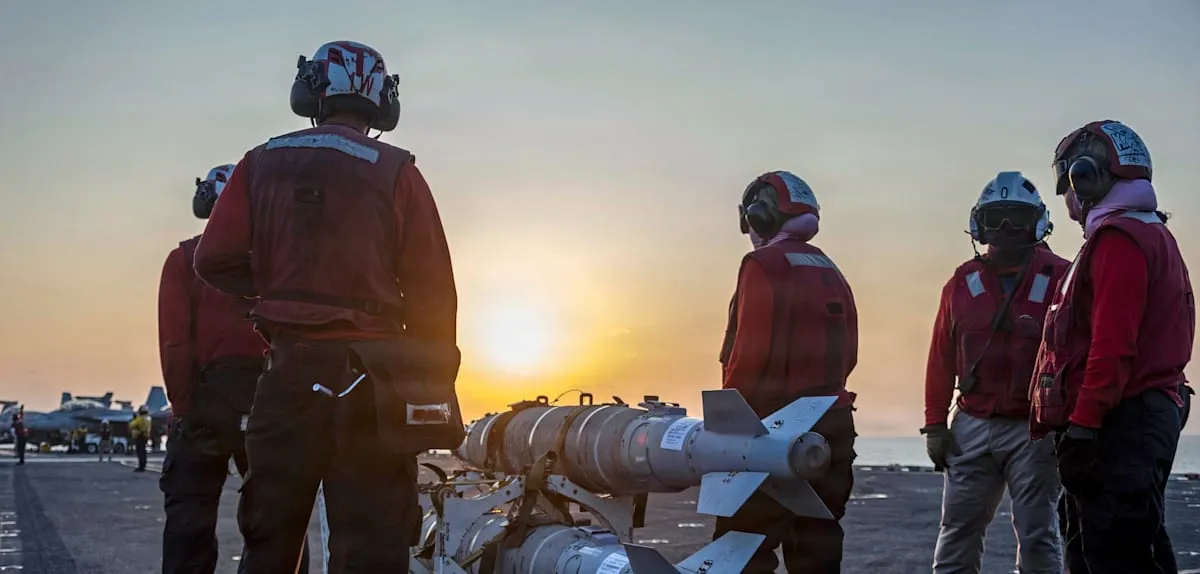
The United States, along with its allies, has long confronted Iran over its nuclear program and alleged support for militant groups in the Middle East. This latest escalation threatens to worsen existing tensions and even trigger direct confrontation. Previous reports on America Attacks Iran, Mullah Regime Retaliates Against Gulf Base! illustrate the fragility of the situation.
In this context, calls for restraint and constructive dialogue become increasingly urgent. The international community needs to play an active role in preventing a larger cycle of violence, in order to maintain regional peace and stability which are crucial for global geopolitical balance.
Khamenei's death, regardless of its cause, marks a significant turning point that will shape the political landscape of Iran and the Middle East for years to come. How the regime responds, and how the world reacts, will determine whether the region moves towards peace or becomes entangled in a continuous spiral of conflict.