 Stefani Rindus
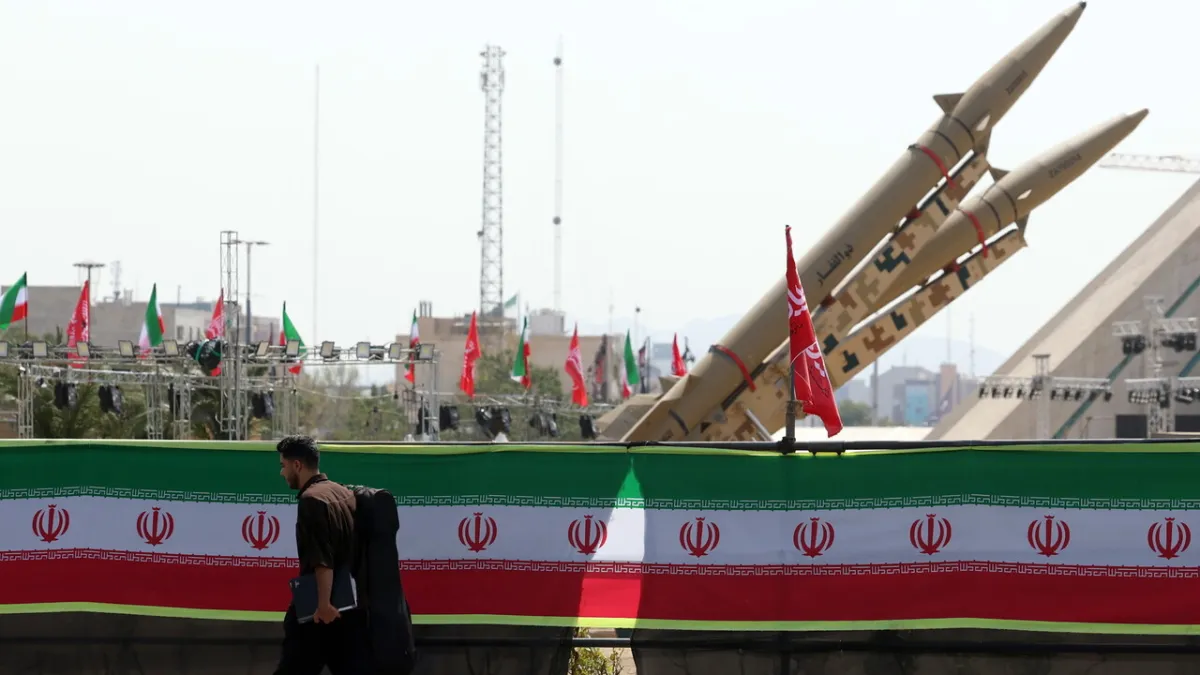
TEHRAN — Tensions in the Middle East have reached a new boiling point following United States missile strikes on Qeshm, Iran, which occurred in the early hours of Saturday, March 21, 2026. This tragic incident claimed the lives of three civilians and drew strong condemnation from Tehran, while former US President Donald Trump issued threats that further muddied the geopolitical waters. The Pentagon claimed the attack was a firm response to “attempted attacks” against American forces in the region.
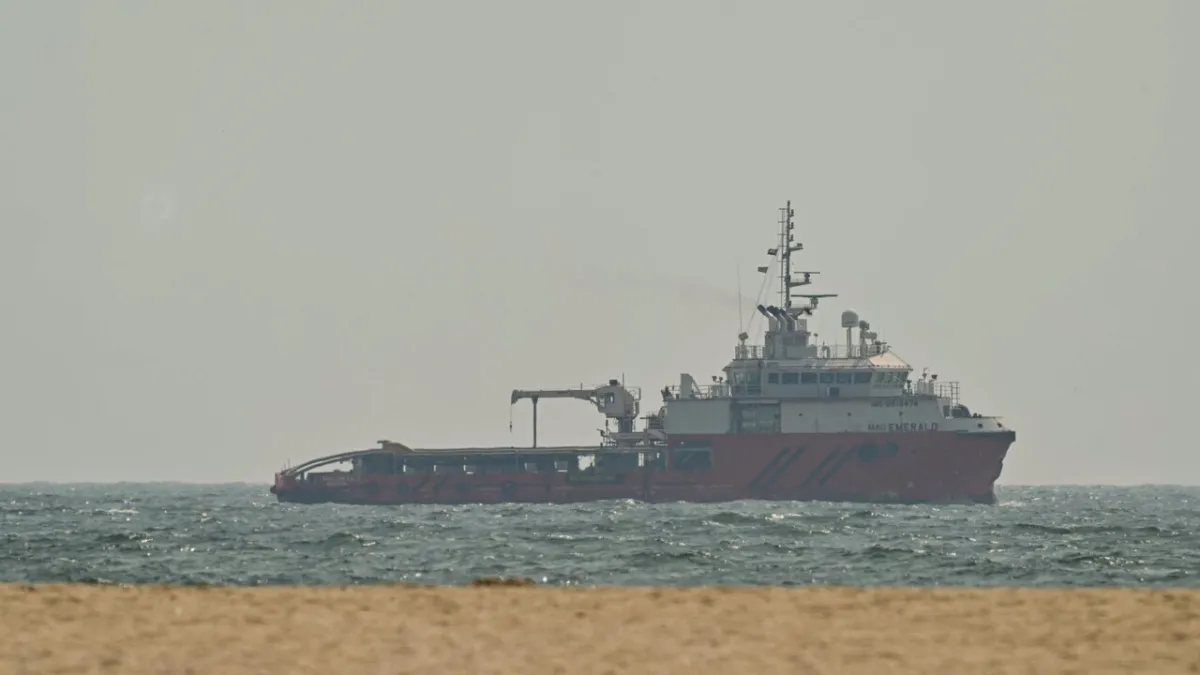
Initial reports from Iranian state media indicated that the missiles struck civilian infrastructure on Qeshm Island, a strategic location in the Strait of Hormuz. Three individuals were reportedly killed instantly, and several others sustained injuries. Iranian authorities immediately launched an investigation into the damage caused and the identification of victims.
A spokesperson for the United States Department of Defense, without specifying the location or nature of the threat, stated that the strikes were a “proportional and necessary defensive measure” to protect American personnel and interests in the Middle East. The statement affirmed that Washington would not tolerate aggression against its forces, implying that Iran was responsible for prior provocations.
Iranian Foreign Minister Hossein Amirabdollahian immediately summoned the US ambassador in Tehran to lodge an official protest. Iran strongly condemned what it called “an act of state terrorism” and vowed to deliver a commensurate response. Amirabdollahian emphasized that Iran’s sovereignty had been brazenly violated and called on the international community to condemn this aggression.
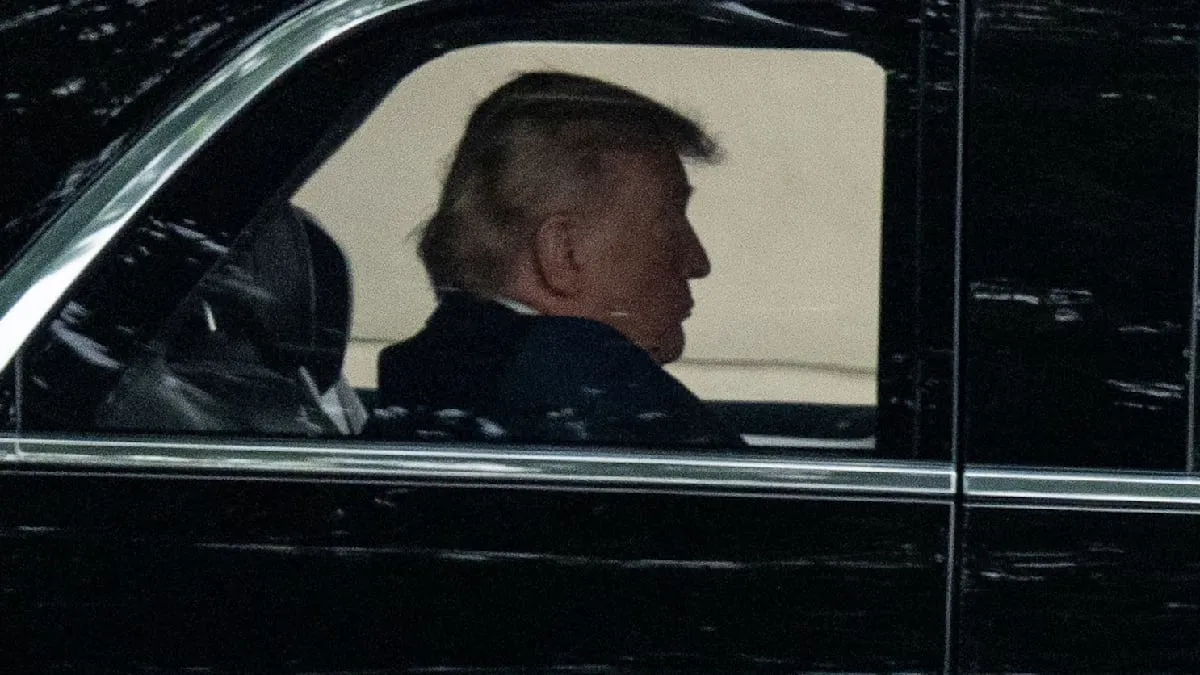
Amid the escalation, the voice of former President Donald Trump once again resonated. Through his social media platform, Trump issued a controversial statement, “We will finish Iran very soon.” This statement, despite coming from a former leader, carries significant political weight and could provoke further reactions from both sides. Global political analysts view Trump's statement as fuel igniting the regional tensions.
This latest escalation adds to the long history of conflict between the United States and Iran, spanning decades. In previous periods, especially under the Trump administration, tensions often peaked in the Strait of Hormuz, a vital global oil shipping lane. Similar incidents, including attacks that previously occurred in the Persian Gulf, indicate a worrying pattern of confrontation.
Leaders of neighboring countries in the Gulf region expressed deep concern over the potential for wider destabilization. The attack on Qeshm, which is close to maritime trade routes, could disrupt global energy supplies and increase oil prices. This upheaval could also trigger an arms race among regional states seeking to maintain their security.
The United Nations, through Secretary-General Antonio Guterres, called on all parties to exercise restraint and seek peaceful solutions through dialogue. Several European countries, including Germany and France, also issued statements urging de-escalation and the avoidance of unilateral actions that could worsen the crisis. The international community fears this conflict could trigger a domino effect.
Global financial markets reacted negatively to the news. Crude oil prices jumped significantly, while stock indices on major exchanges saw corrections. Economists warned that uncertainty in the Middle East could hinder the fragile global economic recovery post-pandemic, especially given the importance of the Strait of Hormuz for energy trade.
The future of US-Iran relations now hangs in greater uncertainty. Although no official statement has been made regarding military retaliation from Iran, the harsh rhetoric from Tehran and public support for revenge suggest that regional stability will continue to be tested. The world awaits whether diplomatic efforts can quell the flames of conflict or will instead drag the region into a deeper confrontation.