 Gabriella
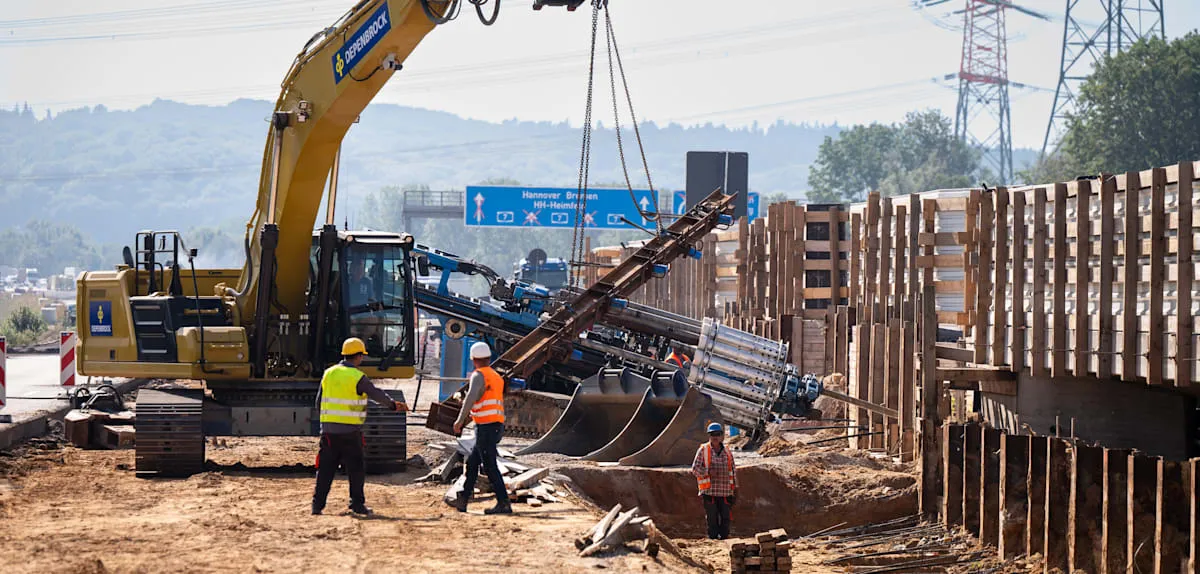
HAMBURG — North German industry faces a drastically worsening operational crisis in 2026 due to the dilapidated regional transport system. A recent report from the Nordmetall industry association reveals how severe traffic congestion, limitations on freight rail lines, and inadequate public transport services have fundamentally hindered corporate activities, threatening the productivity and competitiveness of the region's economy. This situation raises serious concerns about supply chain stability and the investment climate.
Nordmetall, in its official statement, frankly declared that companies across the industrial spectrum feel significantly burdened. Road congestion is no longer merely an inconvenience but has become a massive impediment slowing down the movement of essential goods and workers. This condition directly impacts production schedules, timely deliveries, and escalating operational costs for businesses.
Beyond roads, the freight rail system, which should be the backbone of logistics for heavy industry and high-volume distribution, is experiencing chronic restrictions and delays. Aging rail infrastructure, a lack of investment for capacity expansion, and routine operational issues frequently cause freight trains to be held up for hours, even days. Consequently, raw materials arrive late, and finished products face delayed distribution to markets.
The problem is further exacerbated by the limitations and unreliability of public transport. Workers often face difficulties reaching their workplaces, especially in less accessible areas. This not only reduces workforce efficiency but also triggers recruitment and retention issues in crucial sectors.
Nordmetall urges federal and state governments to immediately take concrete and comprehensive action. They emphasize the need for massive investment in modernizing road and rail infrastructure, as well as developing a more efficient and integrated public transport network. Without significant intervention, North Germany risks losing its position as one of Europe's leading industrial centers.
The economic impact of this crippling transport system cannot be underestimated. Initial analyses suggest that billions of euros in potential revenue are lost annually, not including indirect losses due to declining investor confidence. This adds an extra burden to the German economy, which is already struggling amidst the challenging global dynamics of 2026.
Similar situations have even been experienced by some industrial giants, who have been forced to restructure operations or reconsider investment locations. For example, the automotive industry, also facing global pressures, may factor in logistics efficiency when making strategic decisions, as reflected in the dynamics experienced by large entities such as Volkswagen. The automotive company also faces internal challenges, as reported in the article Volkswagen Pangkas Model Massif, Ancaman PHK Picu Konflik Internal?. Regional infrastructure challenges can exacerbate the general condition of the manufacturing sector.
Logistics and economic experts also voice deep concern. They argue that this problem is not merely a technical obstacle but a reflection of past failures in long-term planning and misplaced investment priorities. Infrastructure regeneration requires a strategic vision and sustained budget allocation.
The German government, led by Chancellor Olaf Scholz in 2026, has committed to increasing infrastructure investment. However, the pace of project implementation is considered too slow by the industry. Coordination between various levels of government and bureaucratic efficiency are key to accelerating the much-needed improvements.
The future of North German industry heavily depends on the authorities' ability to effectively address these infrastructure challenges. Losing a competitive edge in the manufacturing and logistics sectors could have damaging long-term implications for the entire national economy. Nordmetall's appeal is a loud alarm demanding a swift and measured response.