 Demian Sahputra
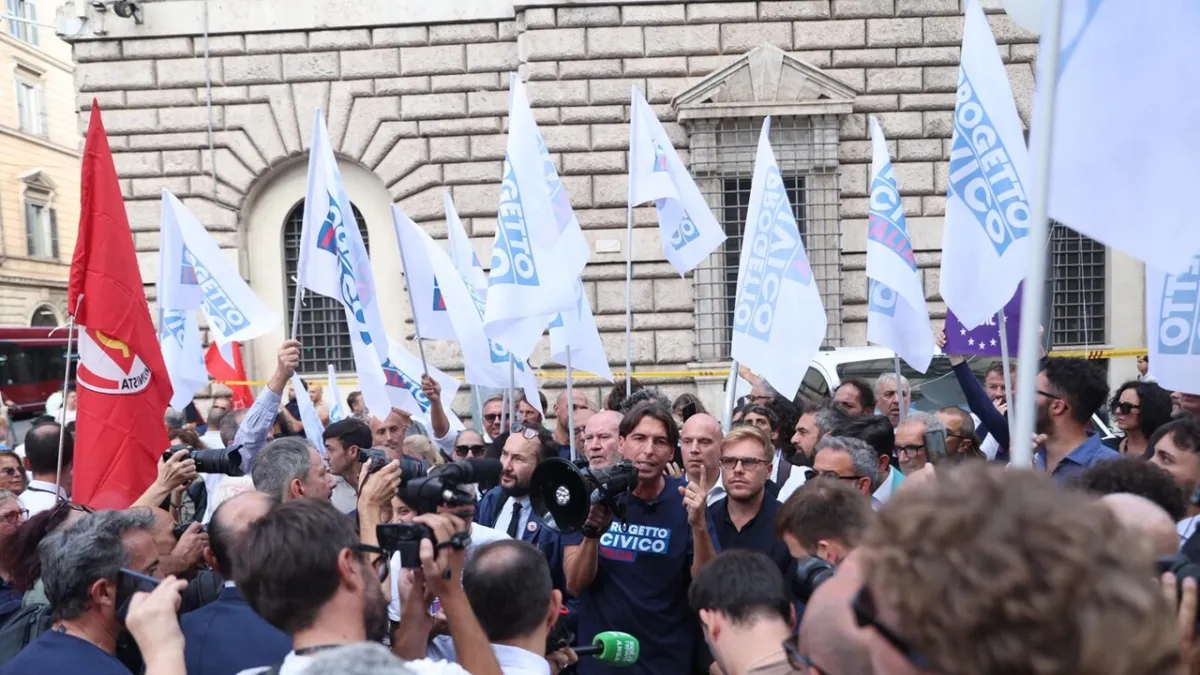
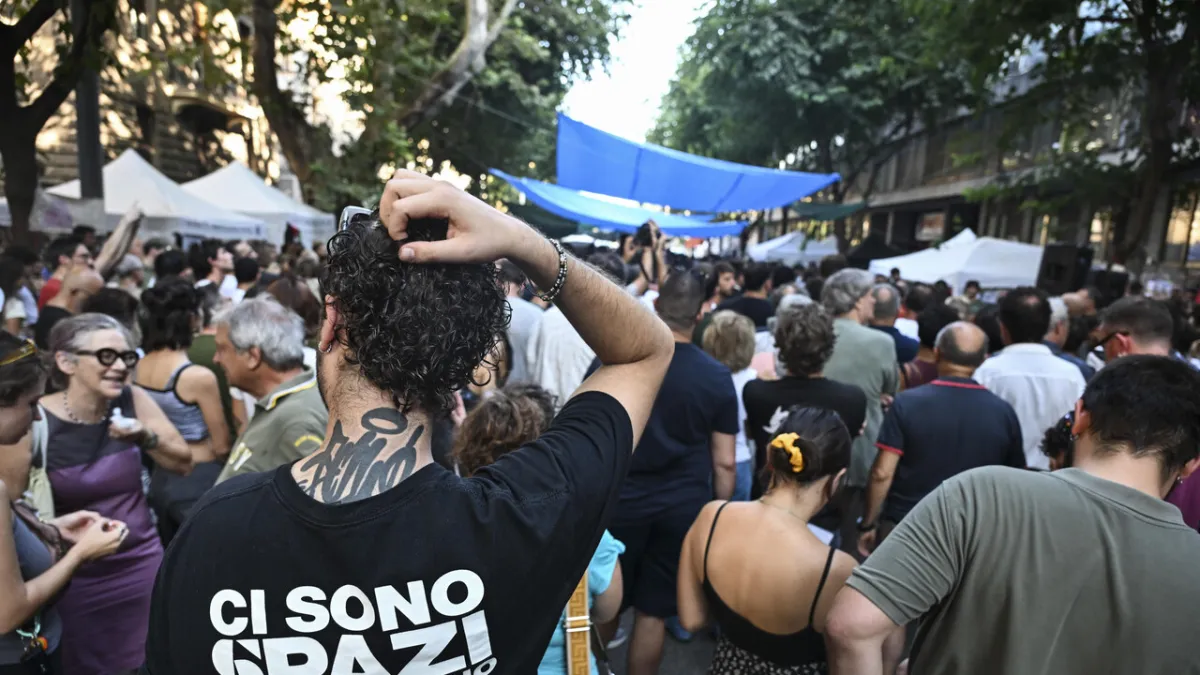
ROME – The Italian Senate is currently on the brink of a political crisis following a marathon debate on a controversial Electoral Law Bill. Waves of mass protests, led by former Prime Prime Minister Giuseppe Conte along with Onorato, have flooded the streets of the capital. This situation has drawn serious attention from the President, with the Quirinale palace reportedly closely monitoring developments related to the bill, which could trigger a series of legal challenges after its approval by the Chamber of Deputies (Camera).
The controversy surrounding this Electoral Law Bill centers on several crucial clauses, particularly those related to the validation of signatures supporting independent candidates or smaller parties. Critics argue that these new rules are designed to limit political participation and solidify the dominance of major parties, thereby eroding democratic representation.
Giuseppe Conte, now leading the protest movement, asserted that these changes to the electoral law are a hidden attempt to silence the voices of the people. 'We will not stand idly by as the people's right to vote is curtailed and democratic space is narrowed,' Conte declared in his speech in one of Rome's main piazzas, met with cheers from thousands of demonstrators.
This protest movement is not confined to the capital but extends to various major cities across Italy, reflecting deep public dissatisfaction. They demand that the Senate review the articles deemed detrimental and ensure fairness in the electoral process.
The government and some senators supporting the bill insist that these reforms are crucial for the stability of Italy's political system. They argue that changes are necessary to avoid excessive parliamentary fragmentation and strengthen stable governance.
However, these arguments have failed to appease the public's anger, who feel their fundamental rights are threatened. Many perceive this bill as a step backward for participatory democracy, especially after Italy's long history of electoral system reforms.
The Quirinale palace, the official residence of the Italian President, has implicitly signaled its concern. The President, as the guarantor of the constitution, plays a vital role in ensuring that every new law aligns with the fundamental principles of the state and the will of the people.
Close monitoring from the Quirinale indicates that the President may not hesitate to use his authority, including the possibility of delaying or requesting amendments, if any procedural violations or constitutional inconsistencies are found in this Electoral Law Bill.
Given that the bill has already passed through the Chamber of Deputies, the Senate's current step is decisive. If approved without significant revisions, various civil society groups and opposition parties have declared their readiness to file appeals or legal challenges with the Constitutional Court.
Debates about electoral law are not new in Italian politics. History records many reform efforts that often end in division and dissatisfaction. This issue also has the potential to affect the country's political and economic stability, including the implementation of the vital Italian budget maneuver.
The long-term consequences of the Senate's decision will shape Italy's political landscape in the future. An unfair or unrepresentative electoral law could trigger a prolonged crisis of public trust in democratic institutions.
Editorial Insight: The tension surrounding Italy's Electoral Law Bill reflects a universal debate about the balance between governmental stability and democratic representation. The strong reaction from Giuseppe Conte and the mass mobilization demonstrate that this issue is not merely a technical legislative matter, but fundamental to the country's political identity. The Quirinale's intervention, or at least close supervision, underscores the sensitivity of this issue, suggesting that this process is far from over and will likely proceed to legal channels, creating significant uncertainty in Italy's political landscape.