 Chris Robert
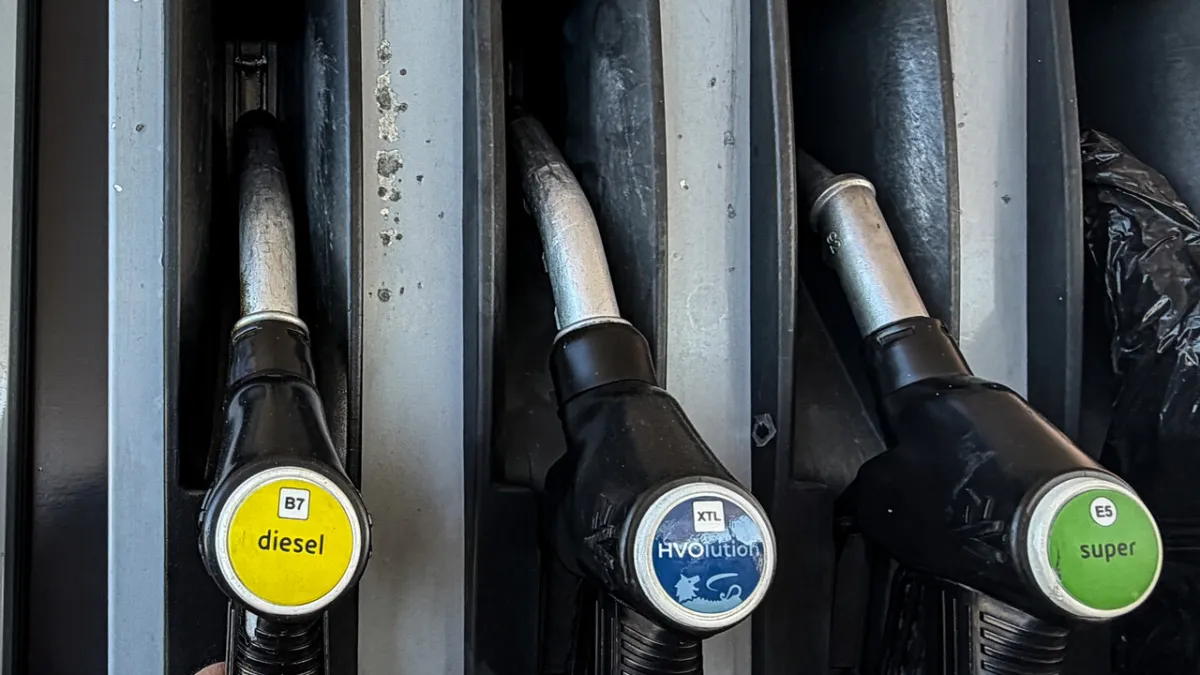
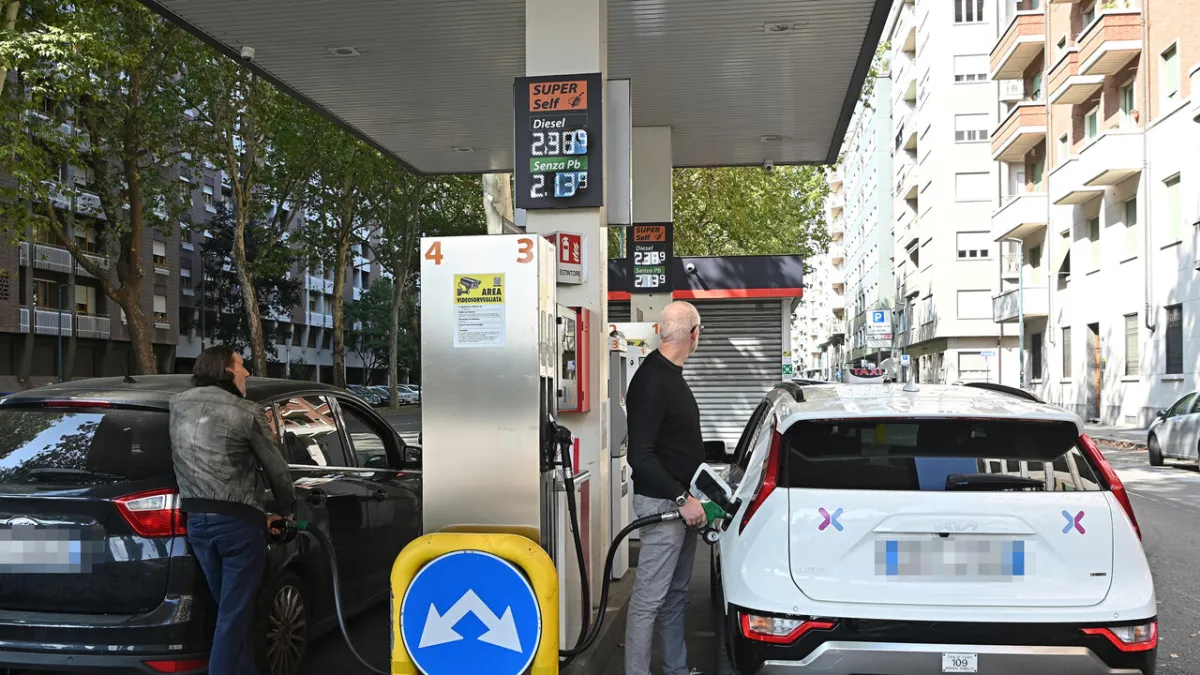
ROME – The Italian government officially announced a cap on fuel sales prices starting tomorrow, a measure swiftly adopted by energy company IP after Eni had previously taken a similar step. Prime Minister Giorgia Meloni affirmed this policy as an important signal for national economic stability and a guarantee of support for families grappling with price volatility.
This government initiative responds to significant increases in fuel prices, which have burdened households and the transportation sector. The decision to cap prices is expected to curb inflation and alleviate the financial strain on the public.
Prime Minister Meloni, in her statement, underscored the government's commitment to maintaining purchasing power. This is not just about numbers; it is about ensuring that every Italian family can cope with living costs without being stifled by energy price fluctuations, Meloni stated.
However, the policy has not been universally welcomed. The taxi sector, heavily reliant on stable fuel prices, has reacted strongly. Taxi associations have declared their readiness to launch a strike as a form of protest against the policy's impact on their operations.
They argue that the government's price cap does not adequately accommodate their operational cost structure. Indeed, similar policies have previously sparked intense debate, as seen in the incident involving Italy's Fuel Price Cap: Socar and Eni Offer Discounts, Taxis Threaten Strike.
The primary concern for taxi drivers is the potential for reduced income due to shrinking profit margins, or even losses, if their operational costs are not covered by adjustable fares. They demand further dialogue and concrete solutions from the government.
This situation adds complexity amid uncertain global economic dynamics. Volatile global crude oil prices often serve as the main trigger for fuel price fluctuations at the consumer level. Recently, Italy's Fuel Prices Soar: Diesel Nears Record 2.5 Euros Per Liter!, highlighting the urgency of government intervention.
The threatened taxi strike could paralyze transportation services in major Italian cities, causing significant disruption to economic activity and citizen mobility. The government now faces the challenge of balancing consumer interests with the sustainability of a vital sector.
Economic observers are questioning whether this price cap will be a long-term solution or merely a temporary intervention with the potential to create market distortions in the future. IP's decision to follow Eni indicates coordination, but it has not yet quelled the unrest in the transportation sector.
Dialogue between the government, energy companies, and taxi sector representatives will be crucial in the coming days to find a fair and sustainable common ground, aiming to avoid wider protest escalation and maintain social stability.
Editorial Insight: The Italian government's fuel price cap policy is a strategically populist move to alleviate public concerns about inflation. However, the taxi sector's protest underscores implementation challenges that often overlook specific impacts on particular industry segments. The balance between family support and business sustainability will be a real test of Meloni's leadership amid economic uncertainty.