 Chris Robert
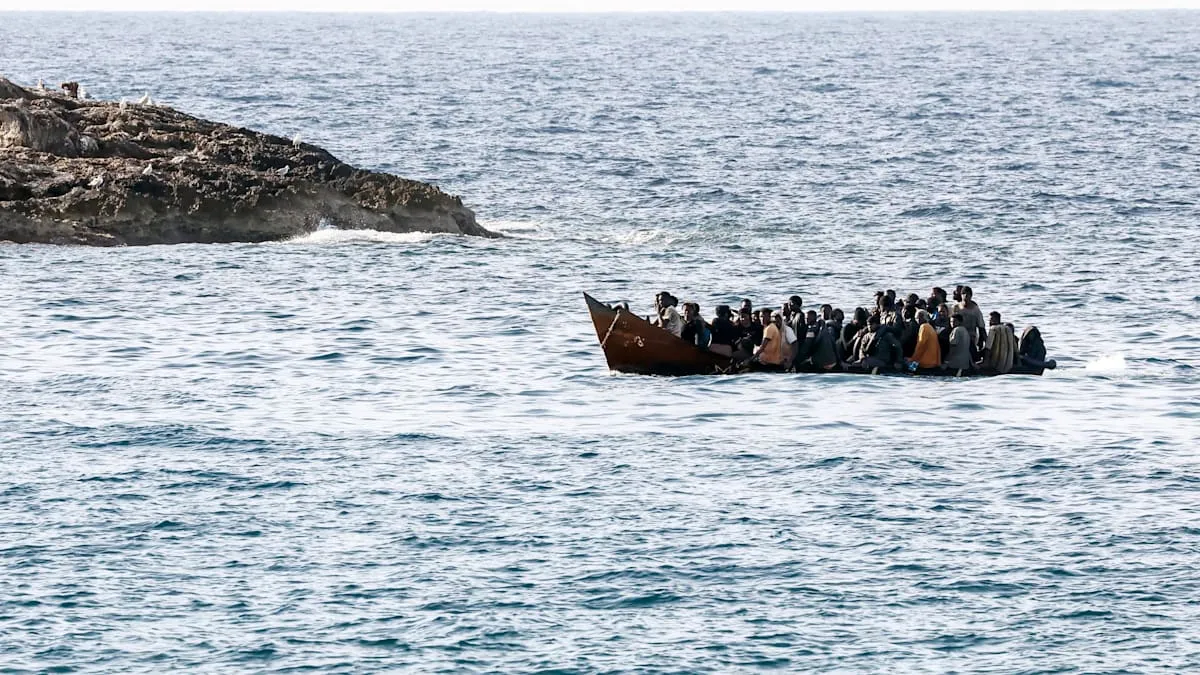
ROME – The Italian government, through Interior Minister Matteo Piantedosi, has formally demanded financial compensation from Germany. This claim follows allegations that German non-governmental organization (NGO) rescue ships have transported over 22,500 migrants to Italian shores across the Mediterranean Sea since autumn 2022. This assertion has triggered diplomatic tensions between the two European Union member states, highlighting a critical issue concerning the burden-sharing in managing migration flows.
This dispute centers on migrant rescue operations in international waters. Italy contends that the activities of German NGO vessels have indirectly facilitated the entry of tens of thousands of individuals into its territory, placing significant strain on national resources and reception systems.
The reported number of migrants, approximately 22,500 individuals, represents an accumulation of data from late 2022 through early 2026. These figures were compiled by Italian authorities, who are now openly scrutinizing the role of German NGOs in the Mediterranean migration crisis.
As of this report in 2026, there has been no official response or comprehensive statement from the German government regarding the compensation demand lodged by Italy. This situation adds a layer of complexity to their bilateral relationship amidst the sensitive issue of migration.
The Mediterranean migration crisis has been a recurring challenge for the European Union for over a decade. Frontline states such as Italy, Greece, and Spain frequently bear the brunt of receiving asylum seekers and migrants crossing by boat.
Non-governmental organizations operating in the Mediterranean Sea often argue they are undertaking humanitarian missions to prevent loss of life at sea. However, several countries, including Italy, have consistently criticized these operations, deeming them a pull factor that encourages more people to undertake perilous journeys.
This controversy raises profound ethical and legal dilemmas. On one hand, there is a moral obligation to save lives at sea; on the other, recipient states harbor concerns regarding sovereignty, border control, and the capacity to manage waves of arrivals.
The compensation demand also reflects the European Unions failure to reach a comprehensive consensus on a fair and effective mechanism for migrant distribution among its member states. This issue continues to divide the bloc, hindering a coordinated response.
For Italy, this surge in migrant arrivals not only stresses reception facilities but also fuels heated domestic political debate. Political parties frequently use migration as a central platform in their campaigns, influencing public opinion and government policy.
This condition further complicates the debate surrounding migrants contributions to the receiving countries economies, as explored in the article Surprising Fact: Illegal Migrants Also Contribute to State Taxes, which indicates that in some instances, even undocumented migrants can contribute to tax revenue. However, the current Italian government primarily focuses on management and capacity issues.
Editorial Insight:
Italys demand for compensation from Germany marks a significant escalation in EU migration tensions. This is more than a financial dispute; it represents broader frustrations among frontline states regarding what they perceive as a lack of European solidarity. The outcome of this demand, whatever it may be, will set an important precedent for future migration policies and interstate relations within the bloc, especially as migration flows are expected to continue in the years ahead.