 Chris Robert
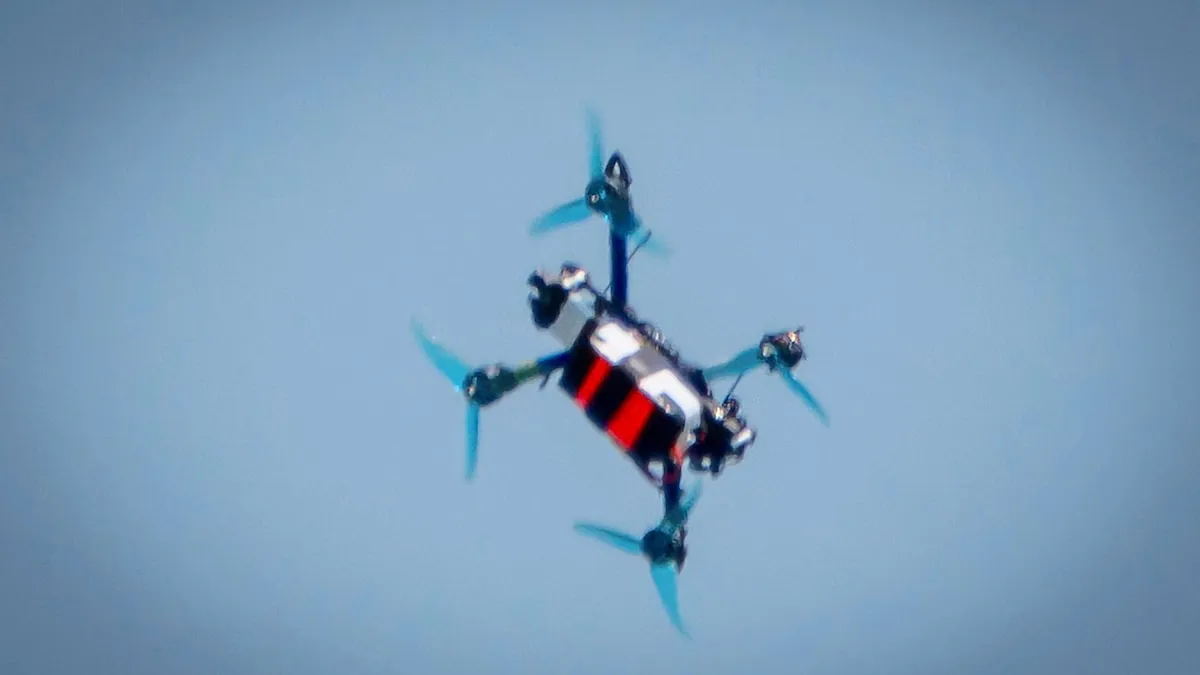
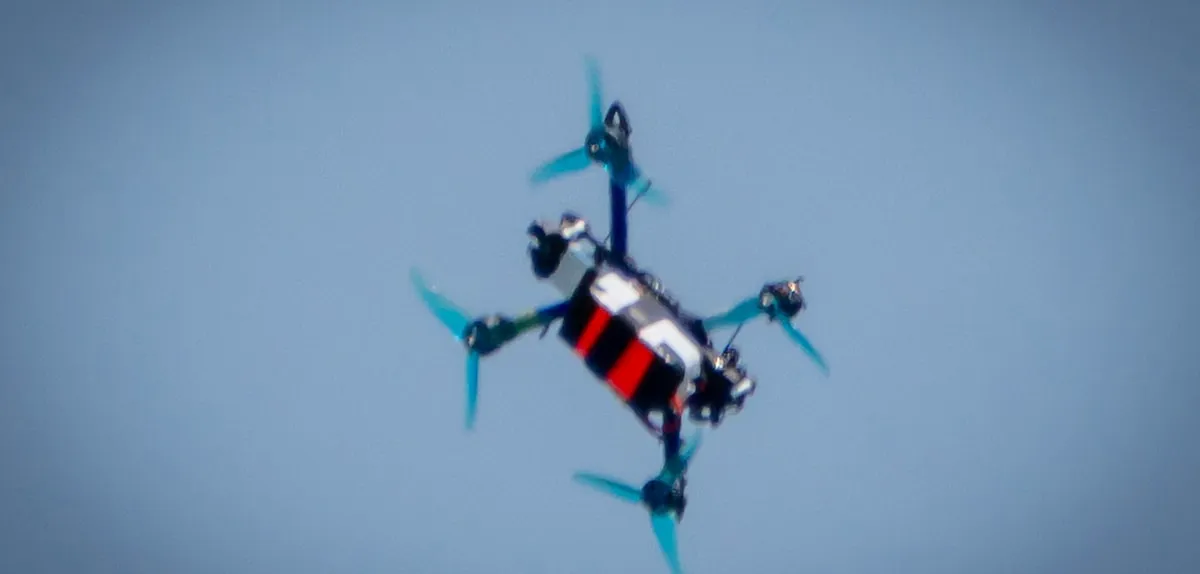
LONDON – Moscow issued a stern warning to the British government following reports of the use of British-made drones in Ukrainian attacks on Russian territory. A prominent drone expert predicts that the UK has long been a target of Russian hybrid warfare operations and now faces a tangible threat from drone attacks.
Diplomatic tensions escalated after intelligence reports indicated the involvement of UK-sourced drone technology in attacks targeting critical infrastructure within the Russian Federation. The Kremlin swiftly responded with threats of serious 'consequences' for London.
Nicolas Stockhammer, an international drone expert, expressed his belief that the UK has been a target of Russian hybrid warfare for a significant period. I believe that Great Britain has long been a target of Russian hybrid warfare operations, Stockhammer stated, emphasizing that an escalation of Russian drone use against the UK is a highly probable scenario in the future.
The definition of hybrid warfare encompasses various unconventional tactics aimed at undermining an opponent's stability without triggering open conflict. This can include cyberattacks, disinformation, political subversion, and the use of asymmetrical force such as drones and proxy militias. This threat is not only military in nature but also has the potential to erode social and economic foundations.
The use of drones in modern conflict has become one of the most dynamic aspects of military strategy. Advanced technology allows for precision strikes that are difficult to detect, fundamentally changing the global security landscape. The case of British drones used by Ukraine demonstrates how quickly this innovation is adopted and adapted on the battlefield.
This threat is not the first to emerge in the dynamic relationship between Russia and Western nations. History records a series of incidents, ranging from cyberattacks on critical institutions and attempts to interfere in democratic processes, to incidents involving intelligence agents. All these form a pattern consistent with the characteristics of hybrid warfare.
The British government has not yet provided a comprehensive official response to Moscow's warning. However, UK intelligence and defense communities are expected to have heightened their vigilance against potential Russian retaliation, especially in the form of intense cyberattacks or disinformation campaigns.
This verbal escalation further complicates already strained bilateral relations between the two countries. Previous reports, such as the article Russia Threatens UK: Ukrainian Drones Made in London Spark Escalation, also highlighted similar flashpoints, confirming a recurring pattern of threats.
The implications of a Russian drone threat against the UK could be extensive, ranging from disruptions to vital infrastructure, sabotage, to attempts to divide public opinion. The readiness of British civil and military defenses to counter these unseen attacks is crucial.
This threat also has the potential to trigger a collective response from NATO, given that the UK is a key member of the alliance. Any act of aggression against one of its members could invoke NATO's Article 5, although the grey nature of hybrid warfare often complicates the identification of a clear trigger.
President Donald Trump's administration in the United States and other European Union leaders are closely monitoring the situation. European stability relies on countries' ability to navigate complex threats like hybrid warfare without descending into larger conflicts.
Amidst all this, the development and proliferation of drone technology continue. Russia itself has expanded its drone capabilities, as discussed in the article Russia Expands Drone Bases: Direct Superdrone Threat to Warsaw Strengthens, indicating that similar threats are not limited to the UK.
Political and military analysts urge the British government to strengthen their cyber and physical defenses, and develop effective communication strategies to counter disinformation narratives that may be launched by foreign actors. This is a battle in an unseen arena, yet its impacts are very real.
Editorial Insight: Moscow's warning is not mere empty rhetoric, but a strong indication of Russia's shifting tactics in response to Western support for Ukraine. London now faces a strategic dilemma: maintain support for Kyiv or reduce the risk of direct escalation. The scenario of hybrid warfare, especially with advanced drone usage, demands an adaptive and multidimensional response, far beyond conventional defense. Long-term consequences could include public trust erosion and regional instability if not addressed seriously.