 Stefani Rindus
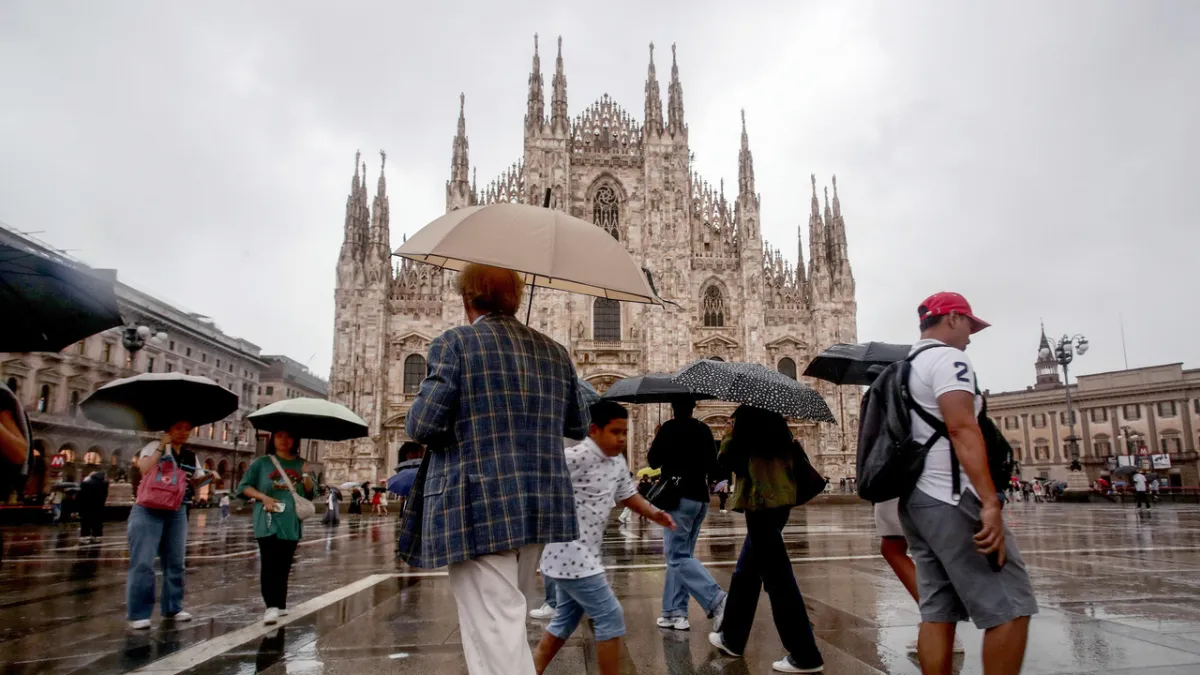
ROME – Italy faces a starkly divided extreme weather phenomenon heading into the weekend of 2026. While the northern regions brace for heavy rainfall with potential risks of flooding and landslides, six cities in the south have been elevated to an orange alert status due to an ongoing scorching heatwave. This situation underscores the urgency of adapting to an increasingly apparent global climate change.
The Italian Meteorological Office predicts that northern areas, including parts of Lombardy and Piedmont, will experience significant rain intensity. This weather pattern is expected to persist through the end of the week, increasing the risk of urban inundation and potential disruptions to transportation infrastructure.
Conversely, the southern part of the Italian peninsula, particularly Sicily and Puglia, is feeling the brunt of an unrelenting heatwave. Air temperatures are projected to exceed 35 degrees Celsius in many locations, even peaking above 40 degrees Celsius in some of the most severely affected areas.
The orange alert, or 'bollino arancione', issued for six southern cities, indicates a medium level of health risk. This warning is aimed at vulnerable populations such as the elderly, children, and individuals with chronic medical conditions who are more susceptible to extreme temperatures. Although it has not yet reached 'bollino rosso' (red) status, which signifies a high risk for everyone, vigilance remains a top priority.
A spokesperson from the Italian Civil Protection Department explained that this weather anomaly is caused by unusual air mass movements. Cold air from the Atlantic is moving across Northern Europe, while a persistent high-pressure system from North Africa is pushing hot air into the southern Mediterranean region.
This dual weather phenomenon is not new to Italy, but its frequency and intensity in recent years show a worrying upward trend. Global climate scientists have long warned that Mediterranean countries will become hotspots for climate change impacts, experiencing longer and hotter summers, and more irregular rainfall patterns.
The Italian government has activated several emergency procedures and urged the public to take precautionary measures. These include limiting outdoor activities during the hottest hours, staying hydrated, and seeking immediate medical attention if experiencing heat-related symptoms.
The economic impact of this extreme weather also cannot be ignored. The agricultural sector in the south is threatened by drought and crop damage due to excessive heat, while the tourism sector in the north may be disrupted by potential storms and floods.
Urban infrastructure, particularly drainage and electrical systems, is being tested for resilience. Local governments in affected cities are working diligently to ensure public services remain optimal and rapid response is available for any incidents.
Citizens are expected to continue monitoring weather updates from official authorities and follow issued safety guidelines. Collective vigilance is key to minimizing losses and ensuring public safety amidst the evolving climate challenges.
Editorial Insight: The duality of extreme weather in Italy in 2026 is not merely a fleeting anomaly, but a tangible manifestation of an increasingly urgent climate crisis. Prompt government response and high public awareness are essential. However, long-term solutions require massive investment in green infrastructure and comprehensive climate adaptation policies, extending far beyond situational responses. Without proactive measures, the pressure on resources and public health will continue to escalate, fundamentally altering the country's social and economic landscape.