 Angela Stefani
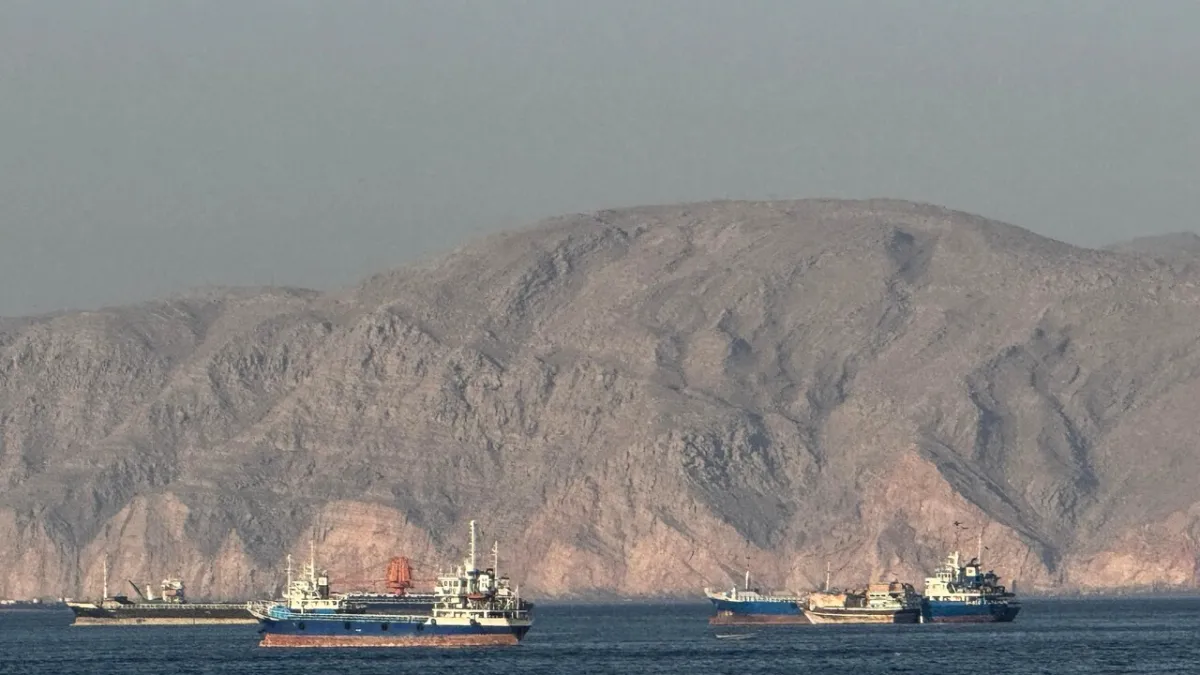
TEHRAN – A serious incident rattled the strategic waters of the Strait of Hormuz when a missile reportedly struck a United Arab Emirates (UAE)-flagged vessel in mid-2026. The event, though causing no casualties, immediately ignited global concerns over the stability of the world's most vital oil shipping lane, amidst escalating tensions between Iran and the United States.
UAE authorities swiftly confirmed the incident, stating that despite damage to the vessel, the situation was brought under control. “The situation has been reported to be under control,” said an unnamed source, emphasizing the rapid efforts to stabilize conditions at the scene.
This incident occurred shortly after Iran's Islamic Revolutionary Guard Corps (Pasdaran) issued a stern warning. They reiterated threats to close the Strait of Hormuz, a gateway for one-fifth of the world's oil supply, if their demands to the United States were not met.
Pasdaran's threats are not new. Throughout 2025 and early 2026, similar rhetoric was frequently made in response to economic sanctions and the US military presence in the Gulf region. However, the missile strike on the UAE vessel marks a worrying escalation from verbal tension to concrete action.
“We will reopen the Strait as soon as the United States accepts our conditions,” a high-ranking Pasdaran official, whose name was not disclosed, was quoted as saying by local media. This statement implicitly refers to Iran's demands for the lifting of international sanctions and security assurances from Washington.
The United States government, through a State Department Spokesperson, has called for de-escalation and demanded a thorough investigation into the ship attack incident. Washington reaffirmed its commitment to freedom of navigation in international waters and warned against any provocations that could disrupt global trade.
The potential impact of closing the Strait of Hormuz is immense. Economic analysts project a surge in global oil prices and massive disruptions to energy supply chains, which would severely hit a global economy still struggling to recover from various challenges.
While Iran has previously engaged in negotiations regarding the Strait of Hormuz, as indicated in the related article “Unveiled: Iran and the World Reach Hormuz Agreement, Global Economy Breathes a Sigh of Relief?”, this incident suggests that previous diplomatic efforts may have reached an impasse or the situation has drastically changed by 2026.
Regional countries, including Saudi Arabia and Qatar, also expressed deep concern. Regional stability heavily relies on the security of this shipping lane, and any disruption has the potential to trigger a broader conflict.
The UN and the European Union have called on all parties to exercise restraint and seek a diplomatic solution. They cautioned that any action threatening freedom of navigation in the Strait of Hormuz constitutes a violation of international law and could jeopardize world peace.
Editorial Insight: This missile incident in the Strait of Hormuz is not merely a sporadic attack but a clear signal of deep geopolitical escalation. Iran's capability to strike a vessel in this vital channel, regardless of its target, indicates an increased risk for commercial and military shipping. The world must anticipate potential surges in energy prices and supply disruptions if the situation does not de-escalate, which would place significant pressure on global economic stability in 2026.