 Edward DP Situmorang
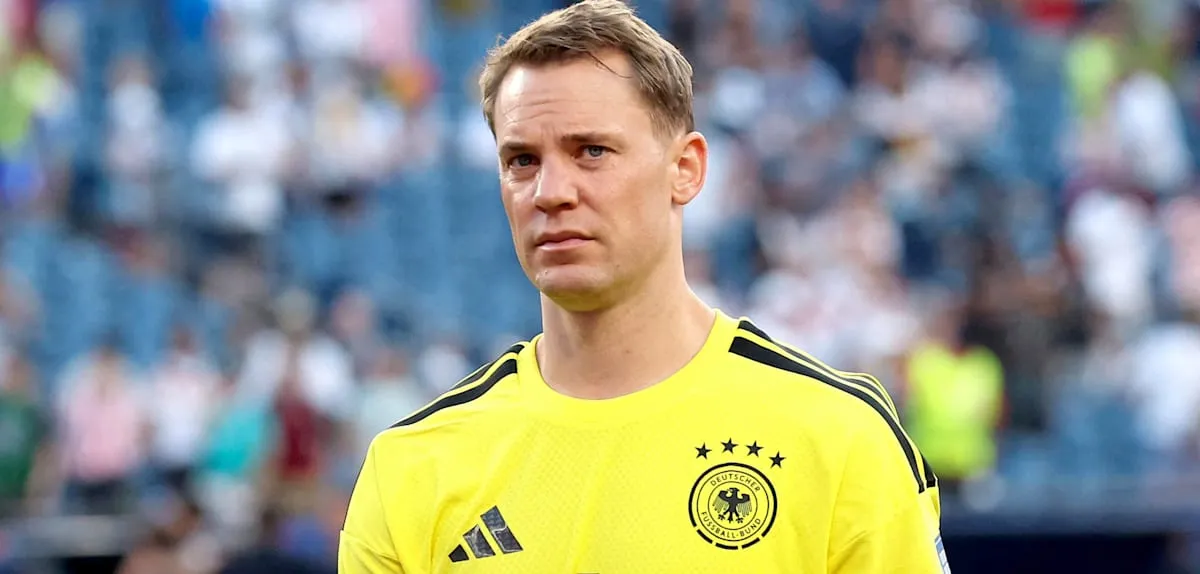
BERLIN — German football legend Lothar Matthäus has openly criticized Manuel Neuer's decision to return to the German national team for the 2022 World Cup in Qatar. According to Matthäus, the veteran goalkeeper's move was a significant blunder with negative repercussions for his career, a view that emerged during recent football discussions in 2026.
Matthäus, known for his forthrightness in football analysis, stated that Neuer's participation at that time brought more harm than good. "Neuer should have considered not participating in the tournament," Matthäus remarked, implying that pressure and sub-optimal physical condition were crucial factors. This statement reopens the debate on elite athletes' career management.
Manuel Neuer's comeback to guard the goal for Die Mannschaft ahead of the 2022 World Cup was indeed a focal point. A prolonged injury he sustained before the tournament had caused doubts. However, with his undisputed experience, Neuer remained the primary choice for then-coach Hansi Flick, aiming to strengthen Germany's defense.
The controversy intensified given Germany's disappointing performance in the tournament, where they were eliminated in the group stage—a highly frustrating outcome for one of the world's football giants. The decision to rely on a player recovering from a serious injury, such as Neuer, was subsequently questioned by many.
From Matthäus's perspective, the events at the 2022 World Cup marked an unfortunate turning point for Neuer. Instead of regaining momentum, his post-tournament performance was considered not as brilliant as before. This fueled speculation about the psychological and physical impact of the pressure he faced.
Matthäus continued his analysis by emphasizing that an athlete must be astute in prioritizing. "There are times when ego must be set aside for long-term good," he commented, likely referring to Neuer's strong desire to always perform on the biggest stage, despite significant risks involved.
Matthäus's statement naturally sparked various reactions among football fans and analysts. Many agreed with his assessment, considering Neuer's performance had declined significantly after 2022. However, some also argued that Neuer's dedication to his country deserved appreciation, regardless of the outcome.
After the 2022 World Cup, Neuer indeed faced severe challenges. He suffered a leg fracture while skiing not long after the tournament, which sidelined him for an extended period. This incident seemed to reinforce Matthäus's argument about the importance of risk management and physical condition.
In the context of modern football, many veteran players choose to limit their participation in major tournaments or focus on club duties to maintain performance and avoid injuries. Neuer's case, in Matthäus's view, serves as an interesting case study regarding these limitations.
Matthäus's criticism also highlights the dilemma often faced by national team coaches: whether to rely on the experience of legendary players or give opportunities to younger, physically fitter talents. This decision often proves to be a double-edged sword.
Although Neuer's career continues to shine at club level with Bayern Munich to this day, Matthäus's statement remains a crucial reminder. It underscores that even for an icon, there are pivotal moments that can alter a career's trajectory, and the decision at the 2022 World Cup might have been one such instance. The debate surrounding Manuel Neuer's legacy and career choices will likely continue to unfold in the realm of football.