 Angela Stefani
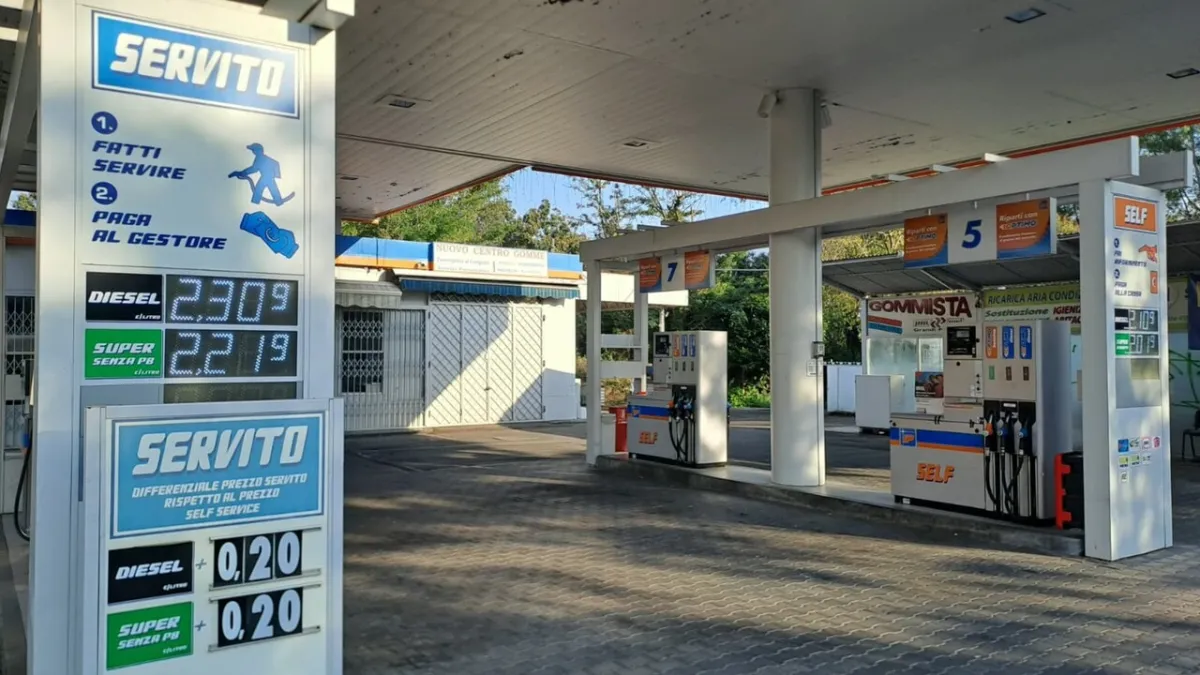
ROME – The Italian government will cease its excise duty cut on diesel fuel on September 5, marking the end of a universal subsidy policy. This move will be replaced by selective support based on income to assist citizens in need, representing a significant step in the nation's fiscal restructuring.
This decision, known as the 'Decreto Carburanti' (Fuel Decree), stands as a key highlight in Italy's economic agenda for 2026. The transition aims to establish a fairer and more sustainable subsidy system amidst global energy price fluctuations.
The decision to discontinue the excise duty cut follows a thorough evaluation of the previous policy's effectiveness. Since its implementation, the duty cut has incurred substantial state expenditure, with its benefits being broadly distributed, including among affluent segments of society.
Government sources indicate that the cabinet will meticulously evaluate subsequent measures leading up to the final days of the excise discount's validity. The government will evaluate the next measures during the last days of excise duty discount, stated an official communication received by the editorial team.
The primary focus now shifts towards developing more targeted aid distribution mechanisms. The selective support based on income scheme is designed to ensure that financial assistance reaches households and individuals most vulnerable to rising fuel prices.
Economist Professor Vittorio Rossi from Bocconi University argued that this policy is a fiscal necessity. In the long run, universal subsidies are unsustainable. An income-based approach is a more responsible way to manage the state budget and ensure aid is precisely targeted, he remarked.
This transformation also reflects Italy's commitment to principles of budgetary efficiency and environmental sustainability. By reducing overall fuel subsidies, the government hopes to encourage the public to shift towards more eco-friendly transportation modes.
The announcement aligns with a global trend among several European nations re-evaluating post-crisis energy subsidy policies. A related article previously discussed how Italy has considered similar options in the past.
Details regarding the criteria and procedures for obtaining selective support are still being finalized. It is expected that comprehensive guidelines will be published before September 5, 2026, to provide clarity to the public.
This step is anticipated to provoke diverse reactions among the populace. Low-income groups might welcome this new focus, while others, particularly middle-income earners still reliant on private vehicles, might find themselves burdened.
Pemerintah menggarisbawahi pentingnya transisi yang mulus. Berbagai saluran komunikasi akan dibuka untuk menjaring masukan dan menjawab pertanyaan publik selama masa implementasi kebijakan baru ini.
Editorial Insight:
Italy's decision to abolish universal fuel subsidies and pivot to an income-based scheme is a pragmatic move. This is not merely a budget-saving effort but also a reorientation of its socio-economic policy philosophy. The greatest challenge will lie in the accuracy of income data and the effectiveness of the aid distribution mechanism to prevent social unrest or exacerbating inequality. Successful implementation will be a crucial benchmark for the government in Rome.