 Stefani Rindus
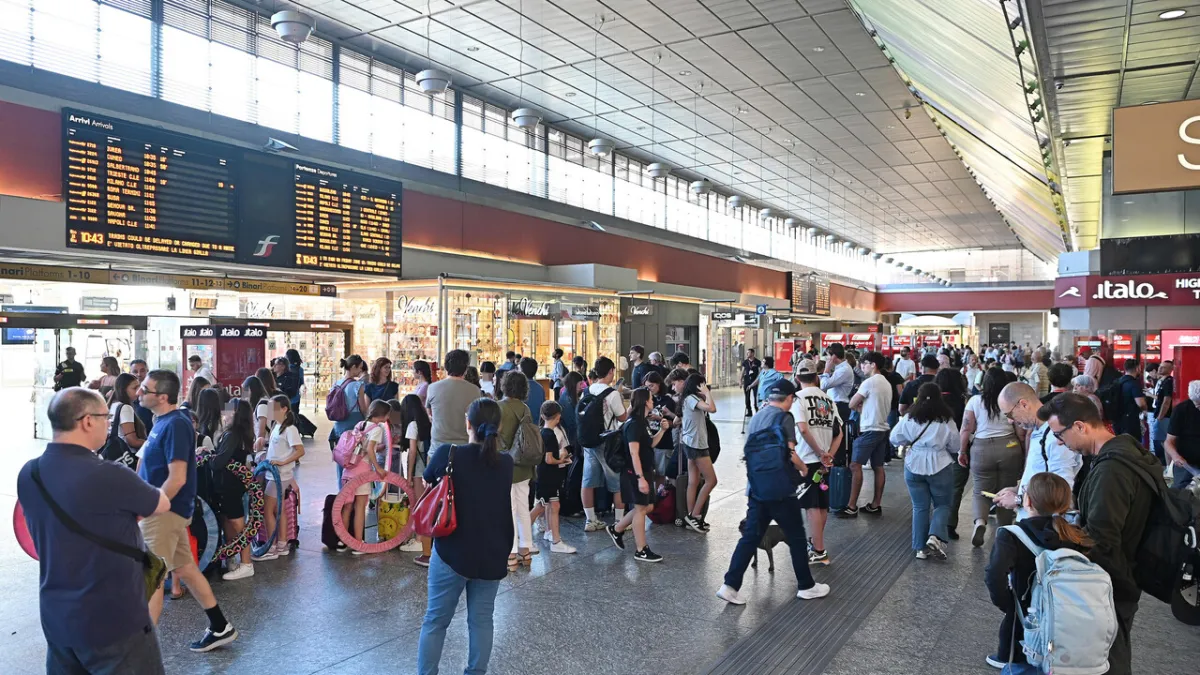
Rome – Thousands of train passengers across Italy are facing significant disruption today, Monday, following a mass strike launched by personnel of Ferrovie dello Stato (FS), the national railway operator. This industrial action, scheduled to last until 8:00 PM local time, has led to numerous cancellations and delays, although essential services for regional transport are guaranteed.
Trade unions initiated the strike as a protest against working conditions and unmet demands for wage increases. The dispute between union representatives and FS management has been ongoing for some time, culminating in the decision to halt operations.
The most severe impact is felt on vital commuter lines crucial for the daily mobility of millions of citizens, particularly in major cities like Milan, Rome, and Naples. Nevertheless, FS management has striven to minimize disruption by ensuring the departure of several critical services during peak hours.
Chaos at major stations, such as Termini in Rome and Milano Centrale, was inevitable. Passengers crowded platforms, seeking updated information, or resorting to alternative transport modes like buses and taxis, which have also seen a drastic surge in demand.
A spokesperson for the Italian Ministry of Transport called for constructive dialogue between the trade unions and FS management to reach an agreement as quickly as possible. The government emphasized the importance of maintaining public service stability, especially in the transport sector, which serves as the backbone of the nation's economy and social connectivity.
This transport disruption carries the potential for substantial economic losses. These losses affect not only the railway operator but also other business sectors heavily reliant on smooth logistics and employee mobility. The tourism industry, one of Italy's primary economic pillars, will also feel the negative repercussions of this disruption.
The public has shown mixed reactions to the situation. While many expressed understanding for workers' rights to voice their demands, a significant number also complained about the inconvenience and losses incurred due to sudden travel cancellations. Social media platforms were abuzz with complaints and real-time updates regarding travel statuses.
Strikes in the public transport sector are not a new phenomenon in Italy. History records several similar incidents often triggered by stalled collective bargaining agreements or controversial government policies. However, the intensity and scale of this current strike warrant serious attention, considering the global economic conditions of 2026.
Although the strike is slated to conclude tonight, there is no guarantee that the underlying issues that provoked it will be resolved immediately. Negotiations between the trade unions and management are likely to continue over the coming days or weeks to prevent a recurrence of similar disruptions in the future.
A long-term solution requires a strong commitment from both sides to find a fair common ground, benefiting both worker welfare and the continuity of essential public services. Without a resolution, the threat of further strikes will continue to loom, harming all parties involved.
Editorial Insight: The 2026 strike by Ferrovie dello Stato personnel in Italy highlights the escalating tensions between labor and corporations amidst a volatile global economy. While the right to strike is a democratic cornerstone, massive public service disruptions demand better long-term solutions from the government and stakeholders to balance workers' rights and public needs.