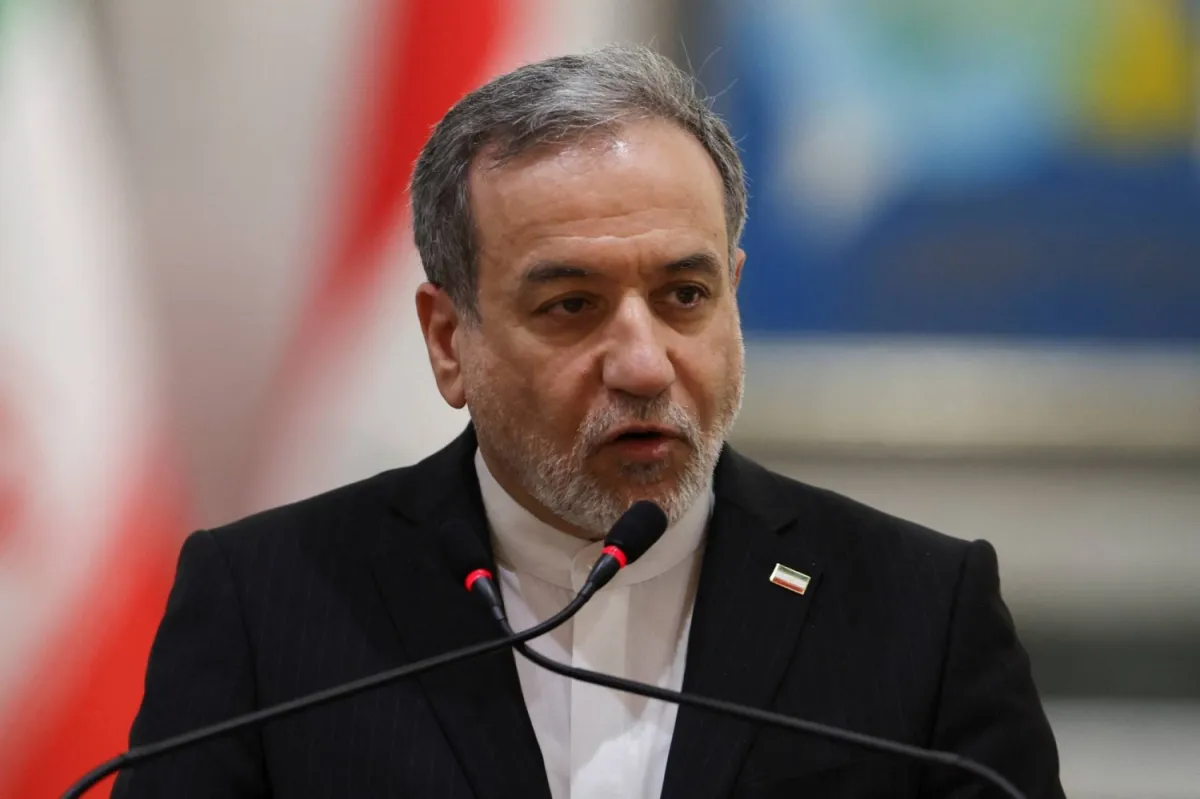
WASHINGTON – Diplomatic tensions between Tehran and Washington reached a critical point in early 2026 after Iranian Foreign Minister Abbas Araqchi underscored the need for concrete guarantees from the United States before negotiations to end the conflict could proceed. US President Donald Trump emphatically rejected Iran's demands, signaling a stalemate that threatens to escalate global geopolitical tensions.
Araqchi, in a statement from his office in Tehran, emphasized that Iran would not rush into negotiations without assurance that the United States was serious about its commitment to achieve a fair and lasting resolution. We need tangible guarantees, not just promises on paper, he stated, reflecting Iran's deep skepticism towards Washington's intentions.
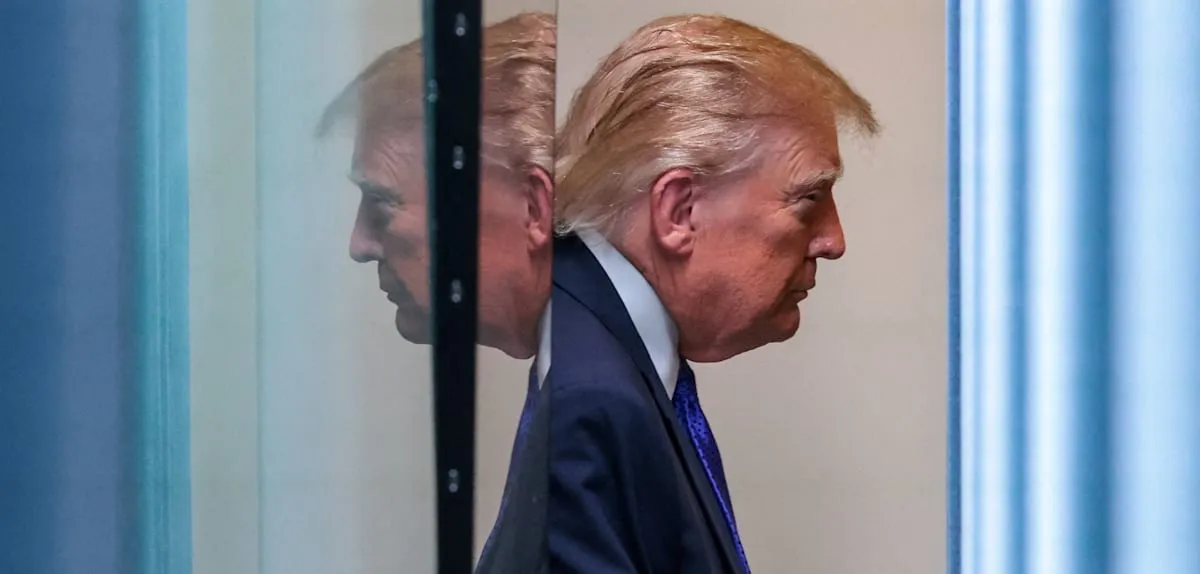
Responding to Iran's insistence, President Donald Trump, through a White House spokesperson, declared Tehran's proposed terms unacceptable and unrealistic. The Trump administration maintains that any negotiations must be based on principles prioritizing American national security interests and regional stability, rejecting pressure for concessions without reciprocity.
This situation is not unprecedented. Iran-US relations deteriorated following Washington's withdrawal from the JCPOA nuclear agreement during Trump's previous presidency, followed by a series of crippling economic sanctions. Efforts in global diplomacy have often been hampered by fundamental disagreements between both sides regarding regional security visions.
This diplomatic impasse is feared to exacerbate the already fragile instability in the Middle East. International political analysts predict the potential for escalating proxy conflicts or increased military activity in this strategic region, which could trigger broader domino effects.
From Tehran's perspective, the demand for guarantees is a defensive measure to prevent a repeat of past 'betrayals', referring to Washington's perceived non-compliance with international agreements that, in their view, have eroded trust. They see this as a fundamental prerequisite for rebuilding meaningful relations.
Meanwhile, Washington views Iran's demands as an attempt to strengthen its bargaining position and potentially evade greater commitments on other regional security issues, such as ballistic missile programs or support for non-state armed groups deemed threats to US allies.
Other global powers, including Russia, China, and the European Union, have urged both parties to return to the negotiating table without excessive preconditions. They recognize that any form of escalation would have significant global economic and security implications, potentially destabilizing the international order.
Global markets are showing tangible concern. Stock indices across major exchanges are exhibiting volatility, driven by anxieties over oil supplies and global economic stability threatened by geopolitical uncertainty. Similar sentiments were echoed in reports stating Wall Street was rattled by the deepening geopolitical uncertainty.
Now, the ball lies in the courts of both capitals. Whether there is room for third-party mediation or new compromises to bridge the divide remains a major unanswered question. The world awaits clarity on the foreign policy direction of Iran and the United States amid escalating tensions.
Editorial Insight: The negotiation deadlock between Iran and the United States in 2026 highlights the complexity of geopolitical issues rooted in historical mistrust. Tehran's demand for guarantees reflects bitter lessons from the past, while Washington's rejection reaffirms national security priorities under President Trump's leadership. Without significant diplomatic breakthroughs, the potential for escalation in the Middle East remains a tangible threat that could shake global stability and the economy. Constructive dialogue, though difficult, remains the only path toward sustainable de-escalation.