KRYVYI RIH – A Russian glide bomb attack recently struck the city of Kryvyi Rih, Ukraine, killing at least two civilians and injuring 58 others. This tragic incident once again highlights the escalating conflict in eastern Ukraine, where fierce fighting and massive bombardments continue throughout 2026.
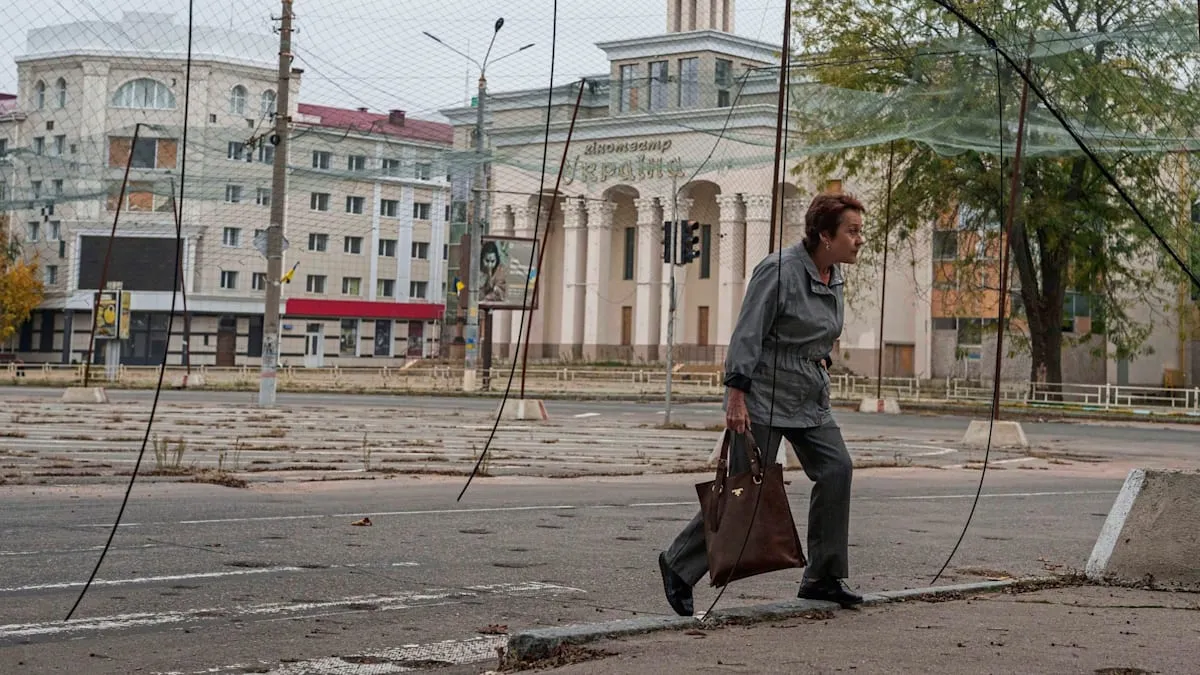
The unfortunate event adds to the long list of suffering endured by civilians in a region that has been ravaged by war for years. Rescue teams were immediately deployed to the scene, struggling to evacuate victims and search for survivors among the rubble of destroyed buildings. The scale of damage to civilian infrastructure is truly alarming.
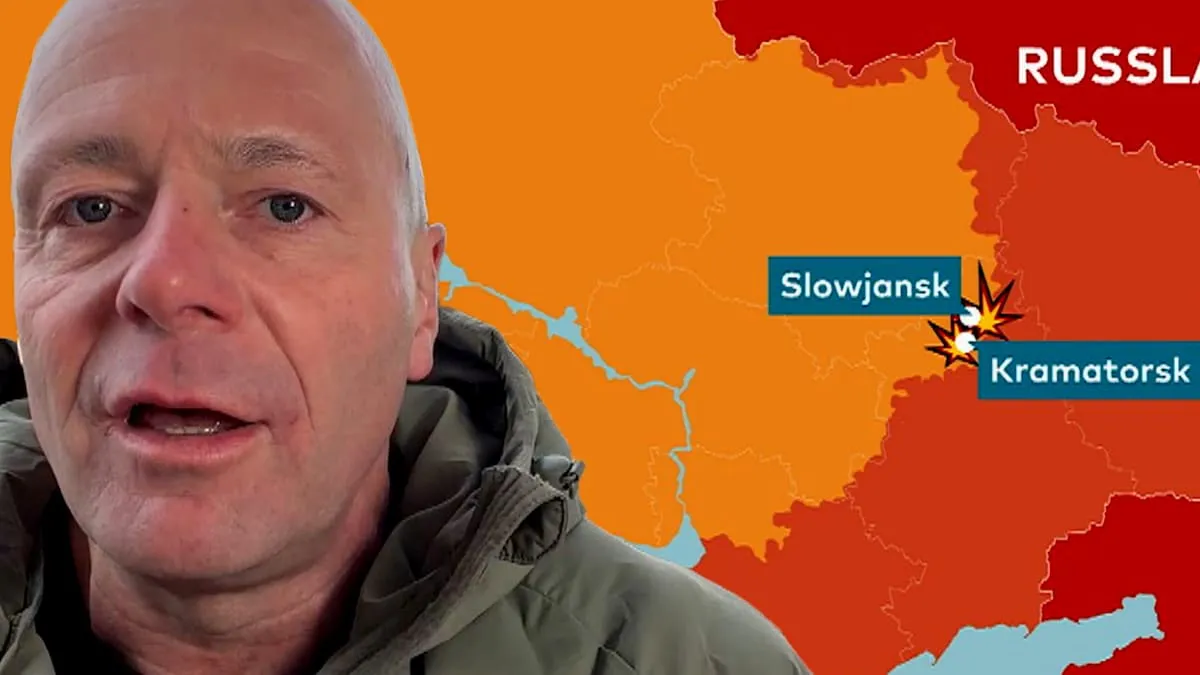
Reporter Christoph Wanner, reporting directly from the battlefield, conveyed a worsening situation. Cities are being razed to the ground by Russian glide bombs, he stated, describing the impact of brutal attacks that devastate residential areas and public facilities. Wanner's report confirms relentless heavy fighting and massive bombardments across eastern Ukraine.
Glide bombs, capable of long-range travel and high explosive power, pose a serious threat to cities both at the front lines and behind them. This weapon allows Russia to strike targets with precision from a safe distance, avoiding the risk of directly confronting Ukrainian air defenses. Consequently, areas far from the contact line are not immune to the threat.
The Ukrainian government strongly condemned this attack as an act of terrorism and a grave violation of international law. They urged the global community to increase sanctions against Russia and provide more air defense assistance to protect its people. However, global political dynamics, especially amidst shifting policies of some key nations, present unique challenges.
The humanitarian crisis in eastern Ukraine continues to worsen as the conflict persists. Millions have been forced to flee, losing their homes and facing limited access to basic necessities such as food, clean water, and medical services. Hospitals and healthcare facilities are frequently targeted, exacerbating an already dire emergency.
International humanitarian organizations continue to strive to provide aid, although they often face security and access constraints. They express deep concern for the fate of civilians trapped in an endless cycle of violence. Every day, the number of dead and injured continues to rise.
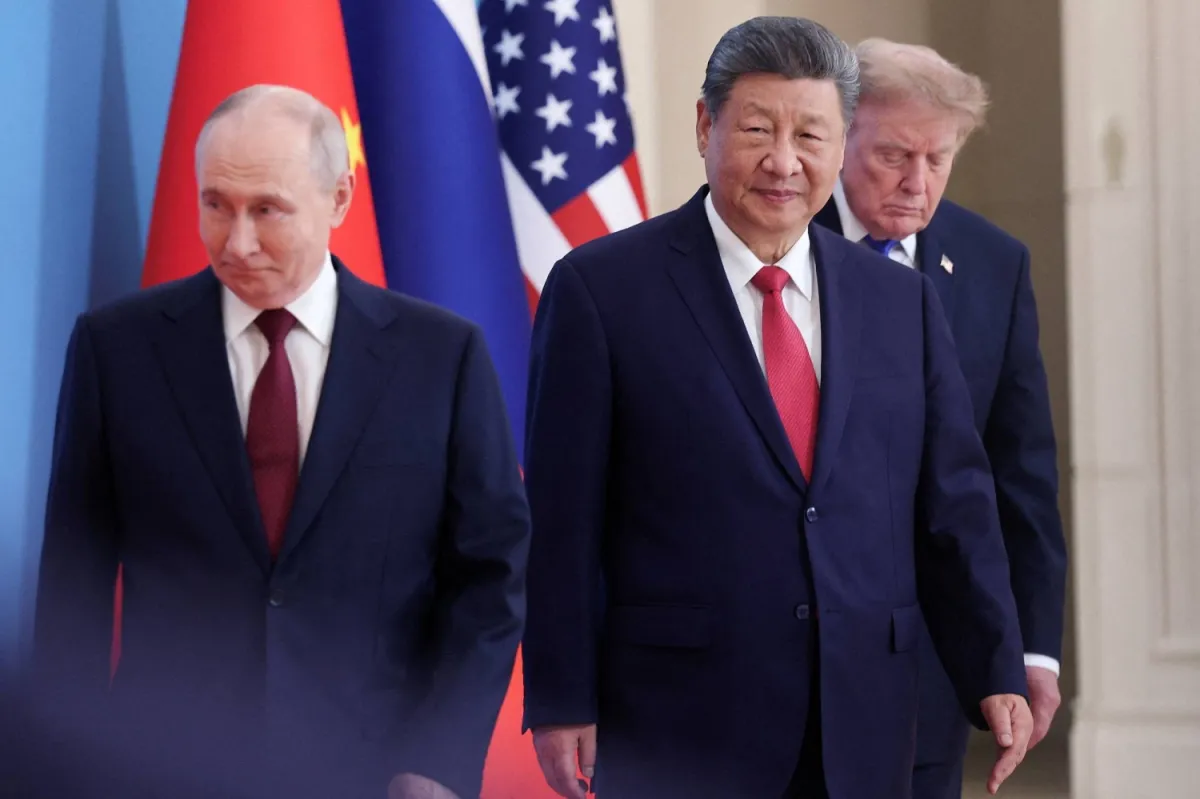
The impact of this conflict is not only felt in Ukraine but also shakes regional and global stability. Geopolitical tensions are escalating, affecting relations between superpowers and military alliances. Amidst this situation, some analysts also highlight how geopolitical strategies, such as those pursued by US President Donald Trump, could shake Europe and raise significant questions about support for Kyiv.
Ukrainian President Volodymyr Zelenskyy, in his latest address, reaffirmed his country's commitment to defending its sovereignty and territorial integrity. He vowed to retaliate against every attack and ensure justice for the victims. Calls for national unity and international support continue to resonate.
On the other hand, Moscow consistently states that its military operations in Ukraine are a response to national security threats. They reject accusations of targeting civilians, although evidence from various independent bodies indicates otherwise. The narrative of information warfare continues to be an integral part of this conflict.
The international community stands at a crossroads, facing a complex dilemma between supporting Ukraine's sovereignty and avoiding broader escalation. Various diplomatic efforts continue, but the path to lasting peace still appears long and arduous.
Editorial Insight:
The glide bomb attack in Kryvyi Rih is a bitter reminder that the conflict in Ukraine is far from over in 2026. The use of weapons like glide bombs, which minimize risk for attackers while maximizing civilian destruction, indicates a worrying shift in tactics. Without cohesive diplomatic pressure and adequate air defense assistance, the threat to Ukrainian civilian lives will continue to loom, exacerbating the humanitarian crisis and jeopardizing global stability.