 Gabriella
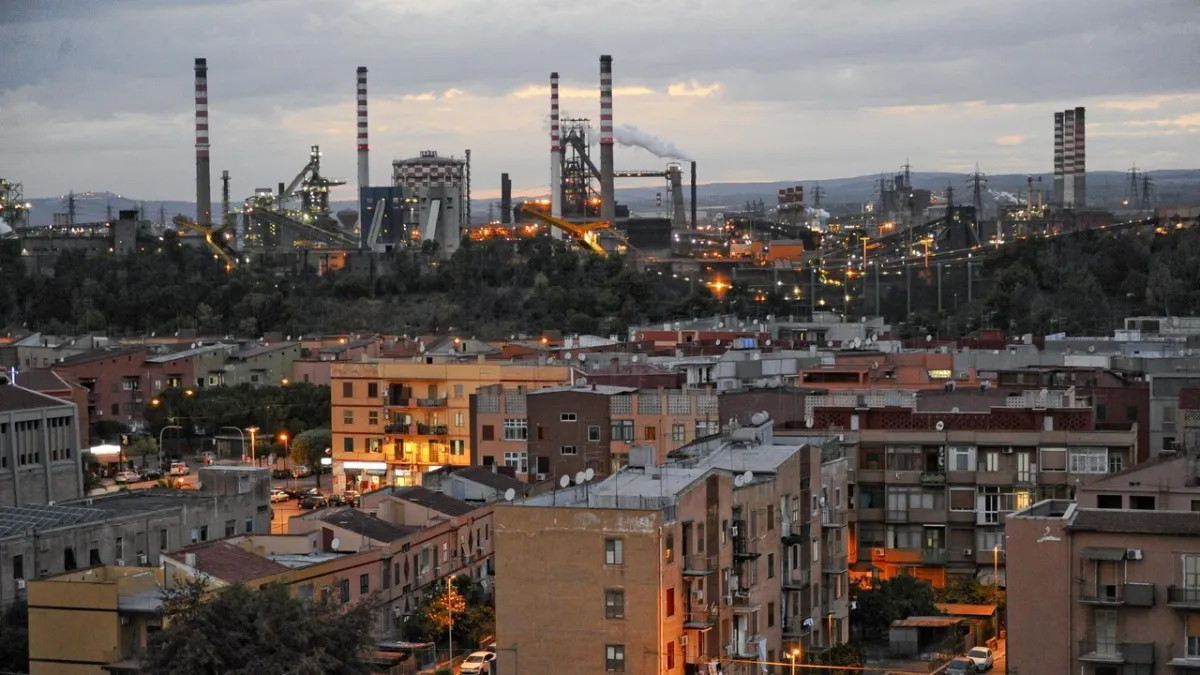
MILAN – The Milan Court recently upheld its decision to maintain the operational blockade of the giant blast furnaces at the Ex Ilva industrial complex in Taranto. The second rejection of a request for operational suspension definitively seals the fate of one of Europes largest steel plants, triggering a wave of concern and discussion in the Italian industrial landscape. The Cassation hearing for this complex case has been scheduled for October 20, 2026.
This decision marks a new chapter in the long-running legal saga involving Ex Ilva, a name synonymous with Italy's heavy industrial history but also associated with serious environmental issues. The court environment judged that the reasons for the previous operational suspension remain relevant and have not been adequately addressed.
Sources within the court confirmed that the panel of judges rejected arguments put forward by the plaintiffs to lift the blockade. They emphasized the urgency of meeting safety and environmental standards as a primary prerequisite before furnace operations can be reconsidered.
The blockade of these blast furnaces directly impacts Italys steel production capacity. Ex Ilva, despite its controversies, is a crucial pillar in the national industrial supply chain. This halt has the potential to create economic ripples, not only for thousands of direct employees but also for downstream industries relying on steel supplies.
Previously, efforts to find a middle ground between economic sustainability and environmental demands have repeatedly reached an impasse. The Italian government has worked tirelessly to restructure and find long-term solutions for the plant, but legal and financial constraints continue to cast a shadow.
Ex Ilvas management, now under special administration, faces formidable challenges. They must navigate legal complexities while striving to preserve asset value and the companys future prospects. The courts decision significantly narrows their room for maneuver.
Trade unions have voiced deep concerns regarding the future of jobs and regional economic stability in Taranto. They call upon the government and relevant parties to immediately find solutions that not only ensure environmental sustainability but also protect the livelihoods of thousands of families.
The hearing at the Supreme Court (Cassazione) next October will be a crucial moment. A decision from Italy's highest court is expected to provide definitive legal clarity, although its impact on Ex Ilvas operations and the Italian steel industry is still anticipated to be significant.
Legal experts argue that the Ex Ilva case has set an important precedent regarding how environmental law enforcement can clash with national economic interests. This sparks a broad debate about the priorities of sustainable development versus industrial necessity.
This situation also highlights the complexity of industrial regulation within the European Union, where Italy must balance national rules with supranational commitments concerning the environment and labor. Long-term implications for industrial policy across Europe may be felt.
Editorial Insight: The Milan Courts decision is a severe blow to Ex Ilvas revival ambitions, yet simultaneously a strong affirmation of the rule of law and environmental protection. The future of thousands of workers and the continuity of the steel industry in Italy now hinges on the outcome of the Cassation hearing and the governments ability to mediate a comprehensive solution. This case will continue to be a global spotlight as a study in the difficult balance between corporate profitability, social responsibility, and ecological sustainability.