 Debby Wijaya
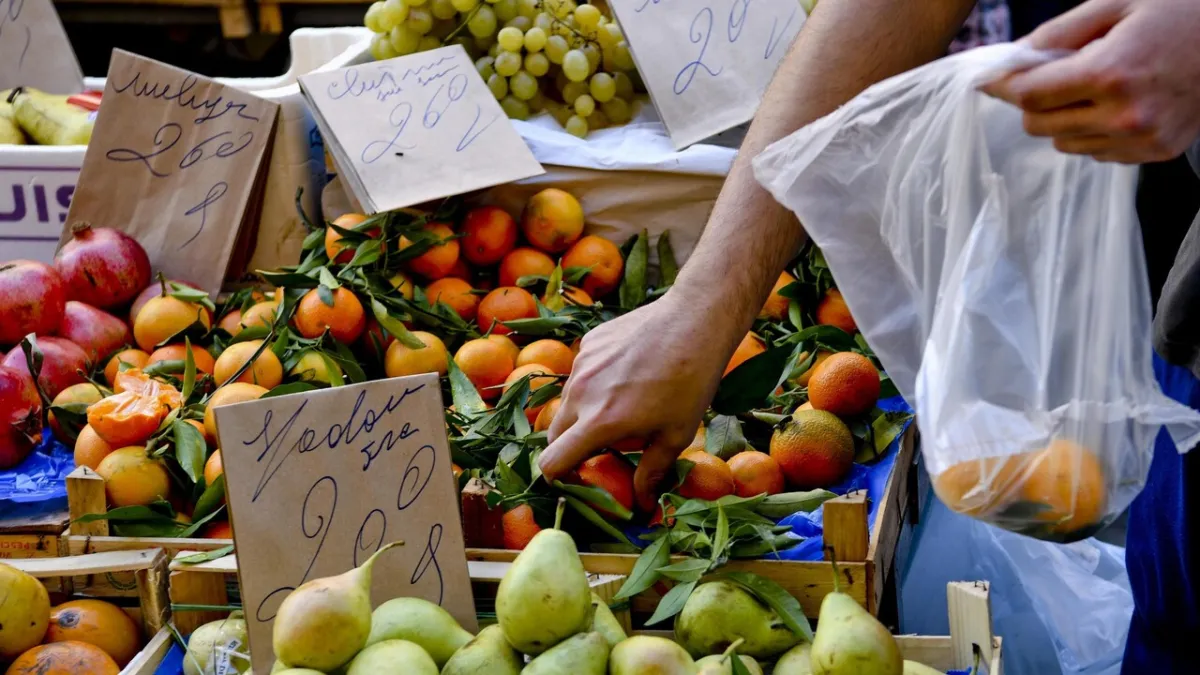
ROME – Italy's national statistics agency, Istat, announced that the country's inflation reached 3.3% in August 2026, a concerning figure primarily driven by a significant 17.1% year-on-year surge in energy prices. This increase is poised to curb consumer purchasing power and economic activity, following a slowdown observed in both shopping basket goods and flight costs.
The data released by Istat confirms initial estimates made by economists. The energy sector indeed stands as the main driver of inflationary pressure, impacting household budgets and business operating costs across the board.
The 17.1% surge in energy prices cannot be overlooked. This represents a significant increase that warrants serious attention from the government and the European Central Bank. Reliance on imported energy often serves as a vulnerable point, triggering domestic price volatility.
Despite the overall inflation hike, Istat also noted a slowdown in the shopping basket goods category. This indicates that the public may be beginning to restrain their spending on daily necessities in response to continuous price pressures.
A similar phenomenon is evident in flight costs. The deceleration in the rise of airfare prices suggests a potential decrease in travel interest or efforts by airlines to stabilize prices amidst an uncertain market. The ripple effect of such economic shifts could further challenge the future of thousands of workers in Italy's industrial sector, who already face uncertainty.
The Italian government, under Prime Minister Giorgia Meloni, is anticipated to face public pressure to swiftly formulate mitigation policies. This pressure comes not only from the public but also from industries whose competitiveness is threatened by escalating production costs.
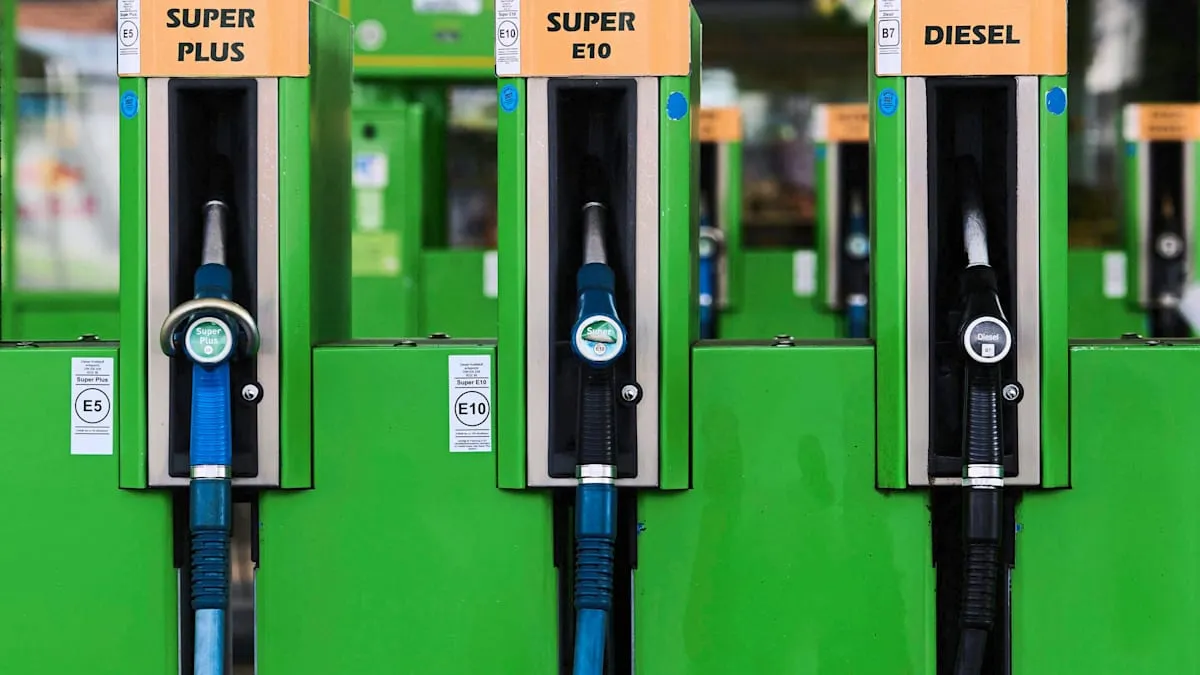
Italy's inflation situation mirrors a broader trend within the Eurozone, where the European Central Bank (ECB) continues to strive to control price pressures through various monetary policy instruments. Interest rate hikes are a frequently considered option, yet they also carry the risk of slowing overall economic growth. This situation adds to the growing list of economic challenges across Europe, as highlighted by fuel prices choking Germany, underscoring policy disparities within the region.
Economic analysts predict that if energy prices remain high, inflation will continue to pose a serious threat to Italy's economic stability. The necessity for diversifying energy sources and investing in renewable energy becomes increasingly crucial.
Compared to previous years, this energy-dominated inflation surge in August 2026 reveals new vulnerabilities. In the past, inflation increases were often driven by strong domestic demand, differing from the current situation largely triggered by supply factors.
The challenge ahead for Italy is to find a balance between maintaining economic growth and controlling inflation. Prudent fiscal policies, coupled with monetary policy coordination at the European Union level, will be pivotal in shaping the economic trajectory of the boot-shaped nation.
Editorial Insight: Italy's energy-dominated inflation surge serves as a serious warning signal for regional and global economic stability. It underscores the urgency for European nations to reduce their reliance on fossil fuels and accelerate the green energy transition. Failure to address the root causes could trigger broader social and economic turmoil, as already witnessed in several other European countries.