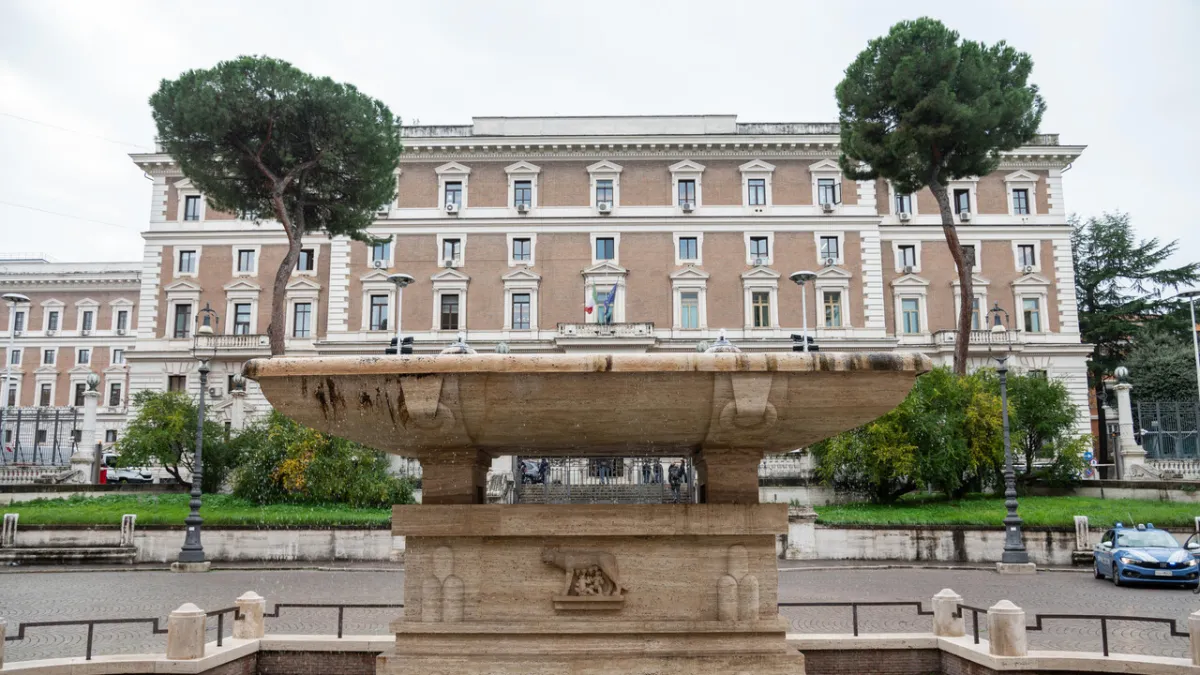
ROME – A new wave of mass email attacks containing bomb threats has once again terrorized hundreds of schools across Italy in early 2026, triggering intense national vigilance. Despite this, the Italian Ministry of Interior (Viminale) promptly issued a firm directive, ensuring that no evacuations were necessary, effectively quelling public panic and maintaining the smooth flow of teaching and learning activities.
This incident is not a singular phenomenon. Similar patterns have recurred recently, strategically targeting educational institutions of various levels throughout the country. These threat messages, often vague and unverified, were sent en masse, with a clear objective: to create widespread panic and operational disruption.
Initial investigations indicate that many of these emails were signed with the initials Andropov, a symbolic reference to Yuri Andropov, former head of the KGB and leader of the Soviet Union. The use of this name likely aims to create the impression of a geopolitical threat or an organized cyber operation, although the definitive motive remains under thorough investigation.
Viminale's decision to refrain from mass evacuations was a strategic move based on a deep evaluation of the threat's credibility and nature. This directive clearly underscores the government's determination to prevent unnecessary disruptions and avoid falling into the psychological warfare orchestrated by the perpetrators.
Italian authorities, including the national police and specialized cybercrime units, have intensified efforts to trace the source of these threats. The primary focus of the investigation is to identify the groups or individuals behind these coordinated cyberattacks, which systematically target the nation's vital educational infrastructure.
This phenomenon of cyber threats is becoming increasingly prevalent in the modern digital landscape. Perpetrators often exploit internet anonymity to spread terror or propaganda, while simultaneously testing the resilience of a nation's cybersecurity systems and emergency response readiness. This case is relevant to the rise of global cyber threats that have also prompted issues like AI Scandal Rocks Korean National Exams.
- No evacuations: Viminale's directive prevents unnecessary disruption.
- Andropov signature: Suggests possible geopolitical motives.
- Widespread target: Hundreds of schools across Italy affected.
While reports indicate no physical incidents or damage occurred, these repeated threats clearly inflict significant psychological burden on students, teachers, and parents alike. Therefore, schools are urged to strengthen their digital security protocols and enhance awareness of various forms of cyber threats.
The directive from Viminale also includes increased ongoing surveillance and closer coordination between various law enforcement agencies and educational institutions. The objective is to build a much faster and more effective response to similar incidents in the future, while maintaining the stability of daily learning routines.
The Government of Italy consistently affirms its commitment to protecting national security and ensuring that the educational environment remains a safe space from all forms of threats. Preventive and responsive measures are continuously evaluated and improved in line with the evolving modus operandi of cybercriminals.
Internal security reports suggest that the characteristics of these mass email attacks bear similarities to incidents that have recently occurred in other European countries also facing waves of cyberattacks. This raises speculation of a broader attack pattern, potentially involving non-state actors with undisclosed geopolitical agendas, similar to the discussion on UN Urges World Without Nuclear Weapons.
Cybersecurity experts recommend that educational institutions not only focus resources on threat detection but also on comprehensive education for all users. Awareness of phishing, spoofing, and social engineering tactics is a fundamental key to mitigating the potentially serious impacts of cyber threats.
The swift and decisive action taken by the Italian government has successfully and significantly defused potential mass panic, providing an important case study for other nations that may face cyber threats with similar characteristics. The balance between proactive vigilance and calm action is essential in confronting the evolving challenges in cyberspace.
Editorial Insight: This incident of mass email attacks targeting schools in Italy underscores the vulnerability of public institutions to cyberattacks specifically aimed at creating psychological and social disruption. Viminale's prompt and measured response demonstrates the importance of centralized policies based on rational threat assessment, rather than panic. This phenomenon also highlights the urgent need for further investment in cybersecurity and continuous digital literacy education, particularly in the education sector which often proves to be an easy target. The potential involvement of external actors, referenced by Andropov, adds a geopolitical dimension that international intelligence agencies should scrutinize further.