 Dorry Archiles
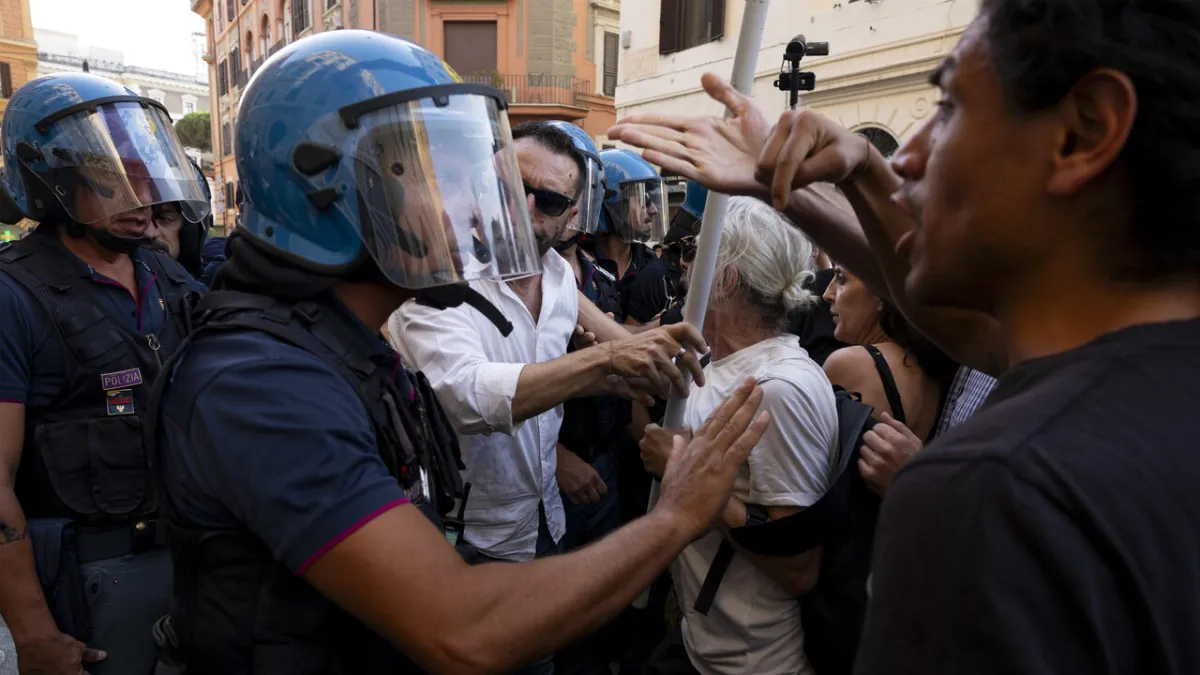
BOLOGNA — A wave of public outrage engulfs the city of Bologna, Italy, following a controversial decision by the local prosecutor's office to apply a form of protection or “scudo” for six individuals allegedly involved in the death of Fakir, a figure whose identity remains intensely debated. This unexpected move, taken by the public prosecutor in early 2026, immediately sparked a fierce reaction from civil society, leading to mass demonstrations that culminated in clashes between protesters and police forces at several strategic points in the city.
The decision raises serious questions about the transparency of the justice system and potential biases in handling sensitive cases. Many believe the application of the 'scudo' can be interpreted as an attempt to obstruct a full investigation or shield certain parties from intense public scrutiny.
Interior Minister Matteo Piantedosi responded to the situation by calling on all parties to avoid prejudice. “We must not allow prejudice to dominate legal proceedings. The law must operate fairly and objectively for everyone,” Piantedosi stated in an official declaration from Rome, emphasizing the importance of awaiting the results of a thorough investigation.
However, the minister's appeal seemingly failed to quell the public's anger. Protesters, largely comprising human rights activists and relatives of the victim, demanded more transparent explanations regarding the rationale behind the application of this legal protection. They believe the truth must be fully revealed without any cover-ups.
Tension escalated in central Bologna, particularly around Piazza Maggiore and the prosecutor's office. Police barricades were erected to deter the crowd attempting to approach government buildings. Light objects thrown and water cannon deployment from authorities became a dominant sight.
Some legal analysts expressed concern that the prosecutor's decision could set a detrimental precedent. “Granting a ‘scudo’ in an unclear death case can erode public trust in legal institutions. This is a significant gamble for the credibility of the Italian judiciary,” stated Professor Elena Rossi, a criminal law expert from the University of Rome.
Fakir's exact identity and the details of their death remain shrouded in mystery, although rumors are rampant on social media. Speculations about the case's background, ranging from alleged involvement of organized groups to political motives, further complicate the situation and fuel public demands for clarity.
Similar waves of protest were also observed in other Italian cities, though on a smaller scale than in Bologna. This phenomenon indicates that issues of justice and preferential treatment within the legal system are deeply concerning national issues.
The prosecutor's office itself has not provided an official statement detailing why the 'scudo' was applied, beyond general remarks about the need to maintain the integrity of the investigative process. This silence further fuels conspiracy theories and public dissatisfaction.
The situation in Bologna has garnered national and international media attention. Journalists are scrambling for the latest information, while hashtags related to Fakir's case and legal injustice dominate social media timelines.
Meanwhile, civil society groups plan to submit a mass petition to the Italian President, demanding central government intervention to ensure justice is served. This case has the potential to become one of the toughest tests for the Italian justice system in 2026. The courage of prosecutors to sue other Italian judges and prosecutors, as highlighted in the case involving Elon Musk, presents a stark comparison to the handling of this case.
Historically, the use of a “scudo” in Italian jurisprudence has occurred, but always within very specific contexts and with clear justifications. The absence of transparent justification makes Fakir's case highly vulnerable to criticism.
Political analysis highlights the potential impact on the current government's popularity. If tensions persist and justice is not perceived as being achieved, it could trigger wider political turmoil ahead of the next general elections.
Union leaders in Bologna called for peaceful dialogue between citizens and authorities but also affirmed their support for the public's right to voice their aspirations openly.
Ultimately, the hot potato of Fakir's death case now rests in the hands of Italian legal authorities, who must navigate public pressure and demands for transparency while upholding the principle of fair rule of law.",
"excerpt": "Sebuah keputusan kontroversial jaksa untuk memberikan perlindungan hukum kepada enam individu terlibat kematian Fakir memicu ketegangan publik dan protes di Bologna.