 Gabriella
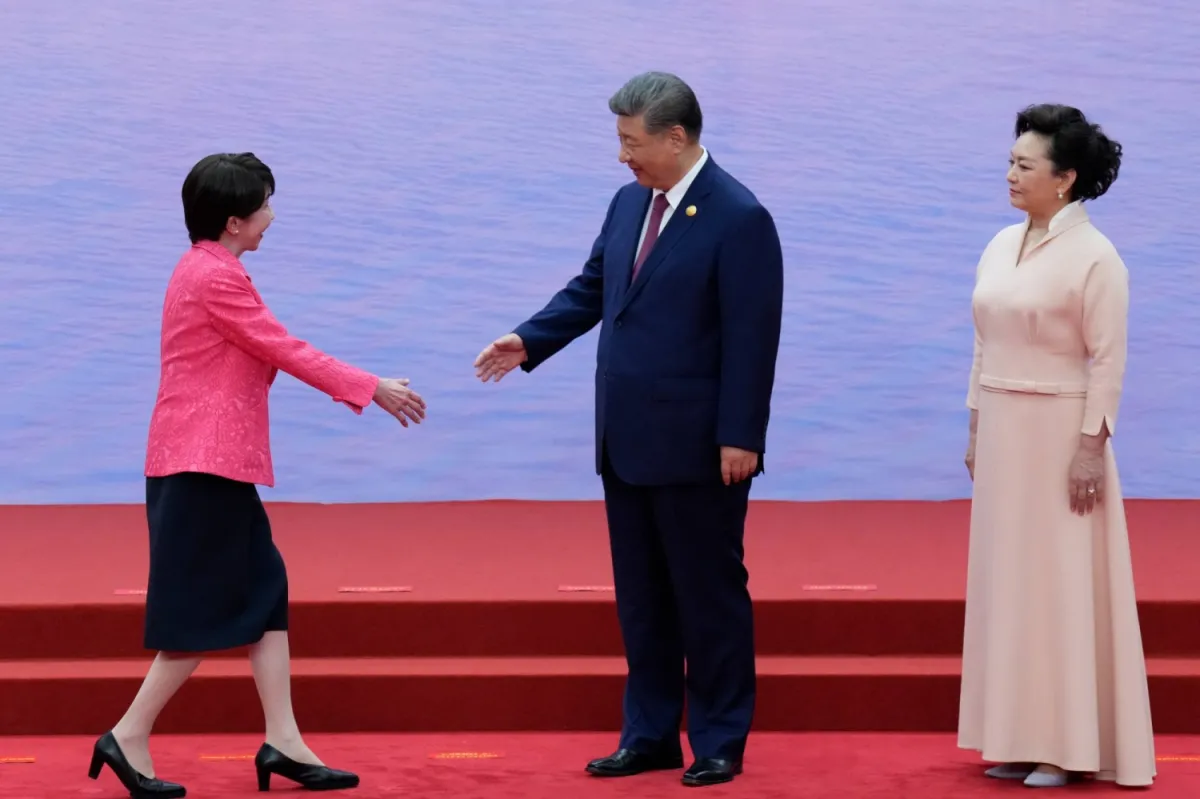
TOKYO – Japanese public sentiment regarding its diplomatic ties with China and Russia has plummeted to a historical low, according to a recent government survey. The striking data indicates that 93% of respondents view relations with China as being in the poor or somewhat poor category, a record since the question was first posed. This negative perception reflects profound concerns among the people of the Land of the Rising Sun regarding regional and global geopolitical dynamics.
The survey findings, released earlier this year (2026), underscore the escalating tensions between Japan and two major powers in Asia. For years, relations between the three nations have experienced ups and downs, but the 93% figure now signifies an increasingly wide chasm in public opinion.
Specifically concerning China, Japanese public dissatisfaction is fueled by a range of complex issues. Territorial disputes in the East China Sea, China's increasingly aggressive military activities in the region, and human rights issues are primary drivers. Although Singaporean PM Wong notes strengthening ties with China, perceptions in Japan are quite the opposite.
Regarding Russia, the invasion of Ukraine in 2022 and the ongoing conflict into 2026 have further soured relations. Japan, as a G7 nation, has consistently supported international sanctions against Moscow. This is exacerbated by the unresolved Southern Kuril Islands dispute, adding to a long list of bilateral frictions.
International political analyst, Professor Kenji Tanaka from Waseda University, states that these survey results reflect Japan's increasingly firm foreign policy. The Japanese government under Prime Minister Fumio Kishida has taken a clear stance in addressing regional threats and global aggression. The public supports this move, even if it means strained relations, he remarked.
This survey is more than just numbers; it represents a paradigm shift in national security perceptions. Japanese society is increasingly aware of potential threats from its neighbors, driving calls for strengthened self-defense capabilities.
The impact of this negative sentiment could spill over into the economic and cultural sectors. Although China is Japan's largest trading partner, political tensions can affect investment and supply chains. Japan's economy itself is faltering due to declining GDP and wage stagnation, making regional stability crucial.
The Japanese government now faces a complex diplomatic challenge. They must balance protecting national interests, maintaining alliances with Western nations, and managing relations with China and Russia to prevent further deterioration. Xi Jinping's soft diplomacy strategy may not penetrate the negative perceptions in Japan.
Some indicators contributing to this negative perception include:
- Territorial disputes in the East China Sea with China.
- Increased Chinese military activity in the Asia-Pacific region.
- Russia's invasion of Ukraine and its position on global sanctions.
- The Southern Kuril Islands dispute with Russia.
The survey results indicate that public trust in both nations is at its lowest point. This is not merely a political issue but also reflects public concern for the future security and stability in Asia.
Editorial Insight: The overwhelmingly negative Japanese public perception towards China and Russia signals a significant shift in East Asian geopolitics. This situation demands a more strategic and careful diplomatic approach from Tokyo, while strengthening cooperation with traditional allies such as the United States. This escalation of tensions has the potential to trigger an arms race in the region and impact global stability in the long term.