 Dorry Archiles
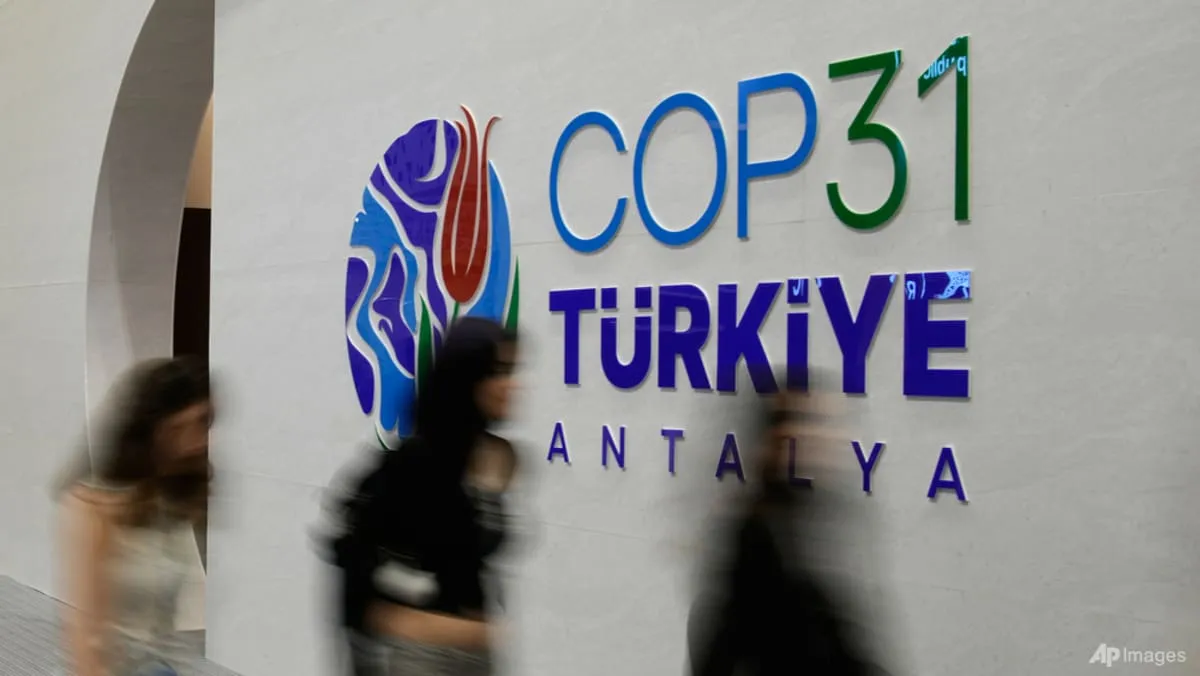
WORLD – Expectations for a major breakthrough at the 31st Conference of the Parties (COP31) negotiations have significantly diminished. Delegating nations are racing against time to secure a crucial agreement on climate change, yet remain hampered by deep disagreements over the use of fossil fuels. This situation is exacerbated by global oil price shocks and escalating geopolitical tensions stemming from the armed conflict in Iran in 2026.
Discussions at this paramount climate forum are unfolding in a highly challenging atmosphere. A sharp increase in global oil prices has created serious economic pressure for many countries, shifting focus from the sustainability agenda to short-term energy priorities and economic stability.
The ongoing conflict in Iran further complicates the situation. These geopolitical tensions not only disrupt global energy supplies but also divert diplomatic attention and resources from climate issues. Some delegations fear that regional security concerns could hijack the critical momentum for climate action.
The core of the dispute revolves around the role of fossil fuels in the global energy transition. Despite the increasingly urgent need for decarbonization, oil-producing nations and developing countries with high energy dependency remain reluctant to set ambitious phase-out targets. This has become a recurring stumbling block in every climate negotiation.
The current oil price shock has far-reaching effects, impacting inflation, national budgets, and energy investments. For countries striving to recover their economies post-pandemic and navigate global uncertainties, a rapid energy transition is often perceived as an additional burden.
Yet, a robust agreement at COP31 is vital for steering the world towards the targets of the Paris Agreement. Without concrete commitments to reduce emissions, the 1.5-degree Celsius global temperature rise threshold becomes increasingly difficult to achieve, leading to more severe climate consequences.
Major economies with high carbon emissions bear significant responsibility in breaking the deadlock. The push from developed nations for clean energy transition must be balanced with financial and technological support for developing countries, which often have limited capacity.
Observing the latest dynamics, many climate observers are pessimistic about substantial outcomes. 'Hopes for a major breakthrough are very low,' stated a diplomat who wished to remain anonymous, illustrating the difficulty of reaching consensus amid conflicting national interests and pressing global crises.
This situation is also closely linked to other global issues. Tensions between Iran and the United States, led by President Donald Trump, form an unfavorable backdrop for climate diplomacy. Previous reports indicate how negotiations between the two nations are at a standstill.
The future of global climate policy now hinges on the negotiators' ability to find common ground, overcome substantial differences, and prioritize planetary sustainability over immediate interests. Any failure at COP31 will amplify long-term climate risks.
Editorial Insight: The intersection of the climate crisis, energy instability, and geopolitical intrigues at COP31 showcases the complex challenges of global governance. National economic and security interests often conflict with long-term climate goals, demanding exceptional leadership and far-sighted vision. Failure to reach an agreement means delaying increasingly urgent solutions, potentially triggering more severe systemic consequences in the future. This is a true test of global solidarity and political will.