 Stefani Rindus
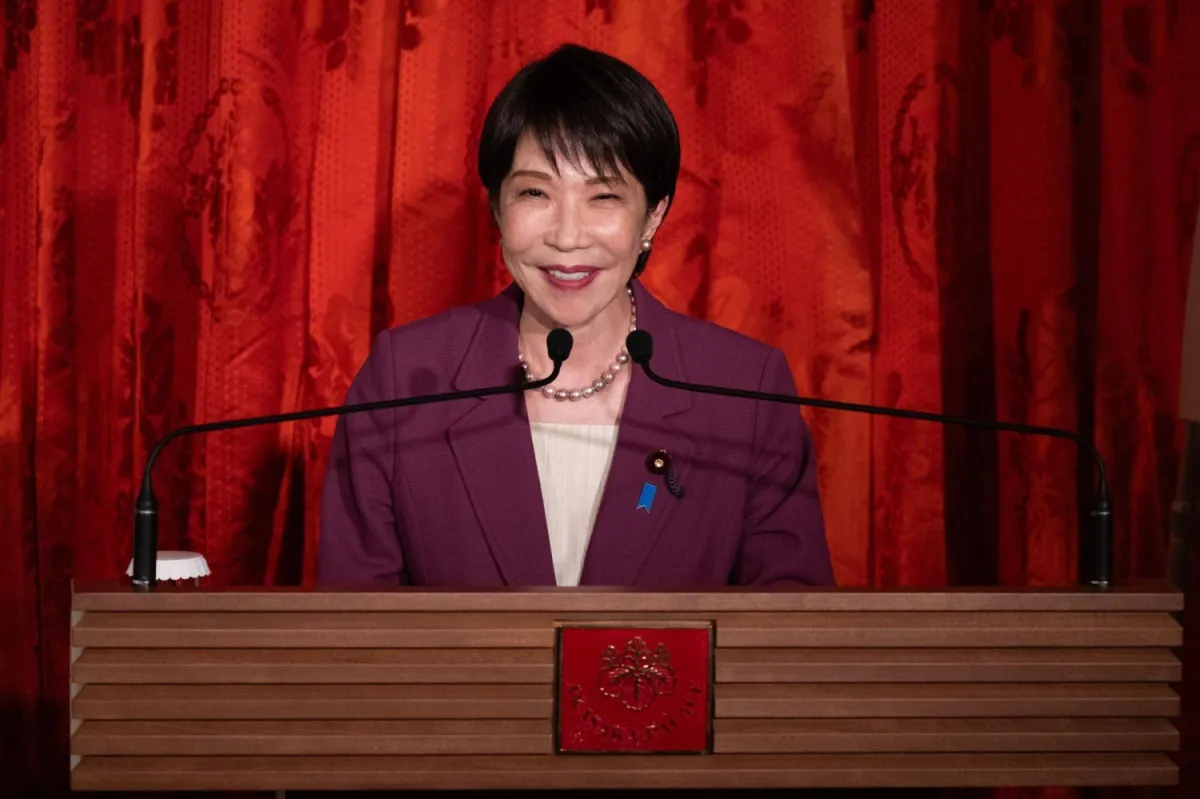
TOKYO – The Takaichi administration in Japan is ambitiously proposing the establishment of a regional energy framework akin to the International Energy Agency (IEA) at the upcoming Asia Zero Emission Community (AZEC) Summit. This strategic initiative emerges as an urgent response to the palpable vulnerabilities in energy supply chains across Asia, starkly exposed by geopolitical upheavals in the Middle East throughout 2026.
This proactive measure stems from the realization that stable energy supply is no longer merely an economic issue, but a cornerstone of national and regional security. Conflicts and uncertainties in the Middle East, a vital supplier to many Asian nations, have triggered serious concerns regarding the continuity of oil and gas flows, as well as the potential for global price surges.
Japan's proposed blueprint focuses on inter-Asian collaboration to build strategic energy reserves, share market intelligence, develop clean energy technologies, and devise coordinated response plans during crises. The objective is to create a resilient mechanism capable of withstanding external shocks and ensuring a stable availability of energy for regional economic growth.
The model referenced is the IEA, an autonomous organization established in 1974 by industrialized nations following the global oil crisis. The IEA is renowned for its role in coordinating emergency oil reserves and promoting sustainable energy policies. Japan hopes an Asian version can adapt these principles while considering the specific dynamics and needs of the Asian continent.
This initiative holds significant relevance given the urgency of strengthening energy security in Asia. Nations such as Singapore have long advocated for enhanced collaboration in the energy and digital sectors, as highlighted at previous regional summits. Dependence on one or two supply sources, especially those vulnerable to conflict, necessitates diversification and a collective strategy. For more details on this call, refer to our article Global Threats Loom, Singapore Urges ASEAN to Strengthen Digital & Energy Economy.
The escalating crisis in the Middle East, marked by incidents such as Iran's attacks on US military bases and Saudi Arabia's repulsion of missiles, illustrates the fragile regional balance. These conditions directly impact global oil prices and vital shipping lanes, through which the majority of energy supplies destined for Asia pass. Further details on these developments can be found in our report Middle East Crisis Heats Up: Iran Attacks US Base, Saudi Arabia Repels Missiles.
A spokesperson from Prime Minister Takaichi's Office stated, 'Our vision is to make Asia not only a global economic growth hub but also a paragon of energy resilience. We can no longer rely on fragile stability. Asia must be self-sufficient and mutually supportive.' This statement underscores Japan's commitment to spearheading this collective effort.
Certainly, establishing an IEA-like body in Asia will face complex challenges, including differing national interests, varying levels of economic development, and diverse energy policies among nations. However, the potential long-term benefits, particularly in confronting increasingly intense global and regional threats, far outweigh these hurdles.
Initial responses from some AZEC member states indicate support, albeit with expectations for inclusivity and fair structures. Intensive discussions are anticipated to be a primary agenda item at the AZEC Summit, which is expected to yield a concrete roadmap for the realization of this grand vision.
Japan's success in materializing this vision will mark a significant milestone for the global energy security architecture, positioning Asia as a more sovereign key player in shaping its future. It could also set a precedent for other forms of regional cooperation amidst the continuously evolving geopolitical landscape in 2026.
Editorial Insight: Japan's proposal is a much-needed strategic move. With rapid economic growth and a large population, Asia is heavily reliant on imported energy. The establishment of an IEA-like body in Asia would not only enhance crisis response capabilities but also drive investment in renewable energy and energy efficiency, accelerating the region's energy transition. The Takaichi administration's boldness in leading this initiative demonstrates Japan's long-term vision for regional stability, while also affirming its central role as a major player on the global stage. Its implementation will demand strong commitment from all AZEC member states.