 Dodi Irawan
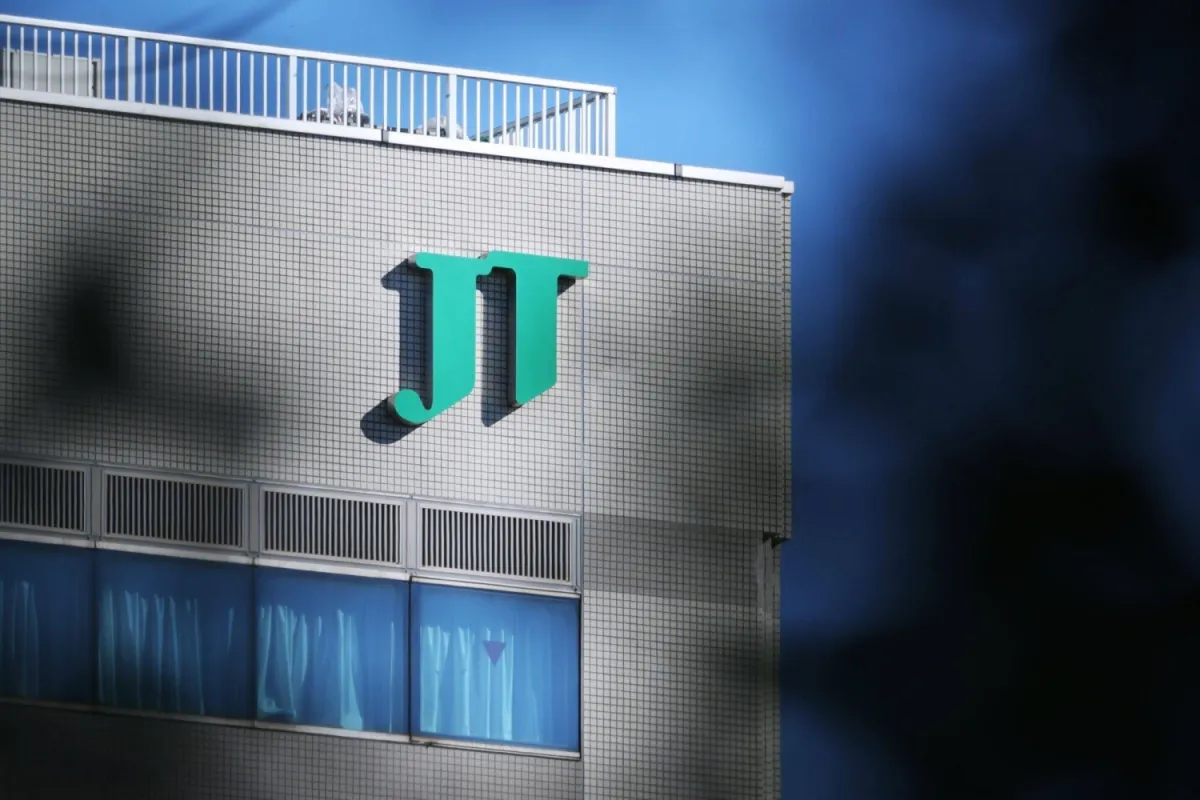
TOKYO – Japanese tobacco giant, Japan Tobacco (JT), has been hit by a monumental loss of 8.9 billion US dollars, equivalent to approximately 130 trillion Indonesian rupiah, as a direct consequence of the seizure of its operational assets in Russia. This shocking announcement, made at the beginning of the 2026 fiscal year, drastically alters the company's financial outlook from an estimated trillion-yen profit to a significant operational loss.
Prior to this seizure incident, Japan Tobacco, a multinational corporation headquartered in Tokyo, had anticipated an operating profit of 1 trillion yen. However, it now faces a projected operating loss of 368 billion yen. This drastic shift of 1.368 trillion yen highlights a severe financial blow and underscores the volatility of global markets amidst geopolitical tensions.
Russia has long been a crucial market for Japan Tobacco, contributing a significant portion of its global revenue and sales volume. With popular brands like Winston and Camel dominating market share, JT's operations in Russia included factories, distribution facilities, and thousands of employees. This asset seizure is not merely a physical loss but also the forfeiture of access to a large consumer base.
This asset seizure can be interpreted as an escalation of Russia's policies towards foreign companies, particularly those from countries that have imposed sanctions on Moscow following previous geopolitical events. This move adds to a growing list of international firms forced to exit or face expropriation of their assets in Russia. It underscores the inherent risks of investing in nations with high political uncertainty.
Market analysts reacted swiftly to the news, revising Japan Tobacco's stock price targets and downgrading investment ratings. Investors began to digest the long-term implications of this loss on dividends and the company's growth strategy. Negative sentiment on the Tokyo stock exchange reflects widespread concerns about the stability of foreign investment amid global geopolitical dynamics.
Japan Tobacco management stated that it is evaluating all legal and strategic options to address the situation. We deeply regret these developments, which are beyond our control, a company spokesperson stated. They added, Our top priority is to protect shareholder value while ensuring the sustainability of operations in other markets.
This incident affecting Japan Tobacco is not an isolated case. Several other Japanese companies also face similar challenges in turbulent global markets, ranging from inflation to trade tensions. This situation encourages companies in Japan to be more meticulous in assessing geopolitical risks and diversifying their investment portfolios. This news also relates to the Japan Consumption Tax Dilemma which is currently facing economic pressure.
Major losses due to asset seizures have become a nightmare for many multinational corporations operating in Russia, across sectors from energy to manufacturing. The scale of JT's loss places it among the largest, demonstrating how vulnerable large companies are to host country political decisions.
Despite facing severe challenges, Japan Tobacco is expected to shift its focus towards more stable and profitable markets, such as Southeast Asia and Western Europe. Internal restructuring and cost efficiency will likely be key agendas to mitigate short-term financial impacts and return the company to profitability.
This event serves as a stark reminder to the global business community of the need for comprehensive geopolitical risk assessment. Political fluctuations in one region can rapidly erode trillions of dollars in investment value, forcing companies to adapt their business strategies to be more resilient to external shocks.
Editorial Insight: The incident involving Japan Tobacco underscores the increasing complexity of the global business arena in 2026, where geopolitical factors often outweigh market logic. Russia's actions against foreign assets reflect shifts in power and protectionist policies that could trigger global economic fragmentation. For multinational corporations, this case is a stern warning that risk diversification and in-depth assessment of the political environment are now as crucial as traditional market analysis. Global tensions, as discussed in the article Geopolitical Stage 2026, will likely continue to create an unpredictable environment for cross-border investments and business operations.