 Debby Wijaya
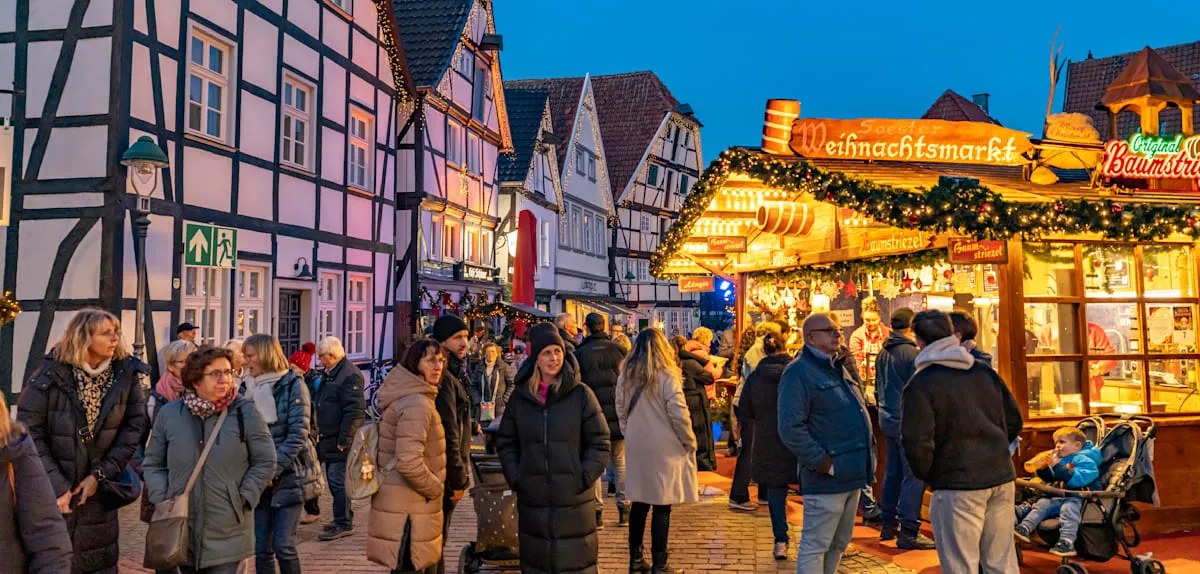
BERLIN – Despite the onslaught of global crises and a growing narrative of pessimism dominating public discourse, the Federal Republic of Germany in 2026 reveals another side often overlooked: an intrinsic resilience and hidden wealth that forms the bedrock of its stability amid the storm. What has often been perceived as a burden is now being identified as a latent power that sustains this European nation through various pressures.
In recent years, the narrative surrounding Germany has frequently been shaped by economic challenges, energy uncertainties, and domestic political turmoil. Observers often highlight inflation rates, the impact of industrial adjustments towards a green transition, and internal debates that have made the Chancellor appear hesitant in making vital policy decisions. However, beneath the hustle and bustle of often sensational headlines, there lies a robust foundation that continues to maintain the country's stability.
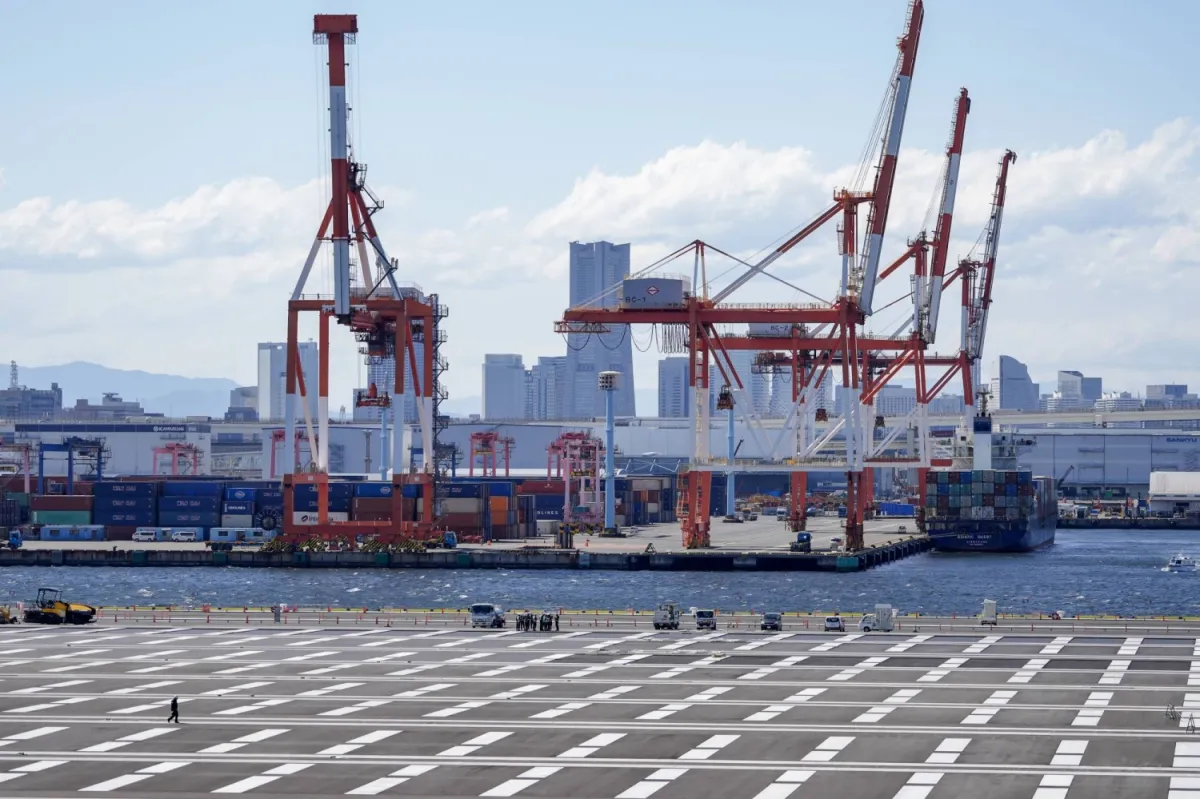
Germany's hidden wealth is not merely measured by macroeconomic indicators but also by its social structure, innovative capabilities, and deeply ingrained work ethic. The nation possesses a highly resilient industrial base, with a high-tech manufacturing sector that continues to be the locomotive of the European economy, despite intense global competition.
Germany's leading education and research systems are also invaluable assets. Its universities and research institutions consistently produce scientific and technological breakthroughs, creating an ecosystem conducive to the development of cutting-edge ideas. This long-term investment in human resources ensures a supply of skilled labor that is adaptable to changing times.
Furthermore, high-quality public infrastructure, ranging from transportation networks to healthcare facilities, ensures that citizens' quality of life remains high. A strong social safety net helps mitigate the adverse effects of economic fluctuations, preventing excessive disparities and maintaining social cohesion.
Political and social analysts are beginning to urge a shift in the focus of public discourse from mere short-term crises to an appreciation of Germany's structural strengths. Its too easy to get caught in a negative news cycle, said a European economic expert from Heidelberg University, who preferred to remain anonymous. We need to see the bigger picture, the potential for adaptation and innovation that continues to grow at the grassroots level of German society.
Germany's resilience is also reflected in its ability to absorb waves of global change, both in terms of demographics and technology. The integration of various communities and investments in digital technology continue to shape an inclusive and progressive future.
Amid demands to respond to global challenges such as climate change and dynamic geopolitics, Germany's pragmatic approach and capacity for political consensus often serve as an anchor. This refutes the view that the country is in permanent decline; rather, it is in a phase of adaptation and transformation.
This hidden wealth not only ensures Germany's survival but also makes it a key player in supporting regional and global stability in 2026. With all its existing challenges, Germany remains an important barometer for resilience and progress on the European continent.
Editorial Insight:
This phenomenon of Germany's 'hidden wealth' serves as a vital reminder for journalism that news narratives should not solely focus on difficulties and crises. Beneath every challenge, there often lie intrinsic resources, both material and non-material, that enable a nation to endure and even grow. A country's credibility is not always reflected by the absence of problems, but rather by its capacity to overcome and innovate amidst the storm. Germany's story in 2026 highlights the need for a more holistic and in-depth perspective in understanding a nation's dynamics.