 Stefani Rindus

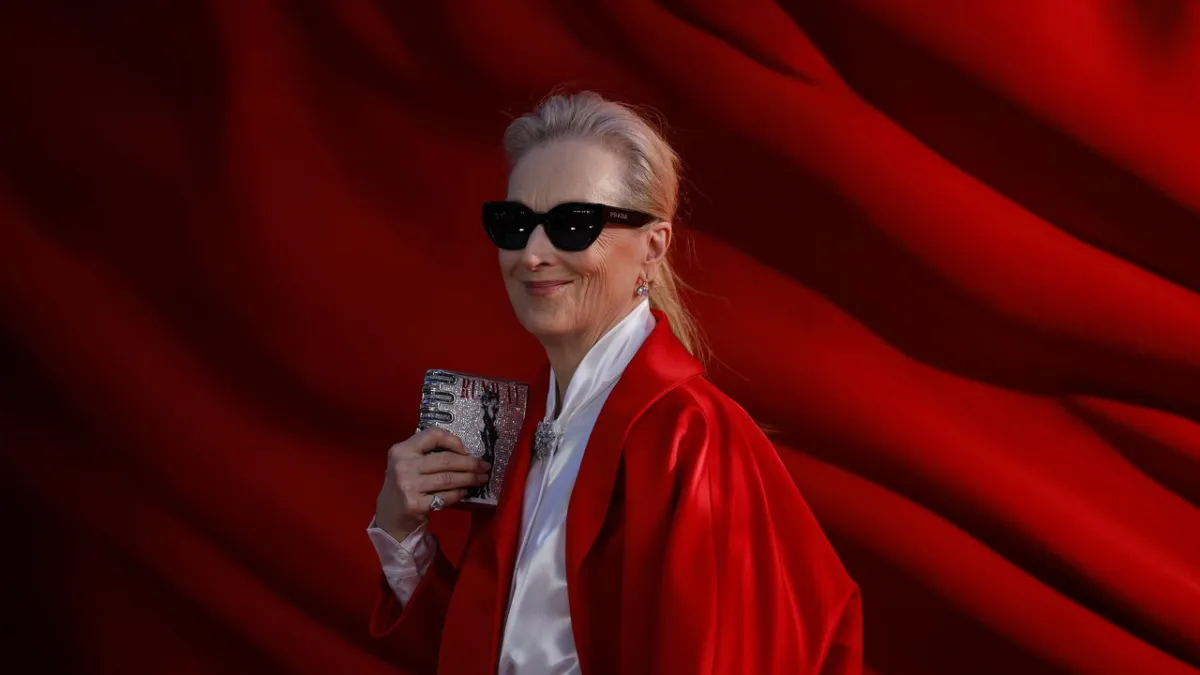
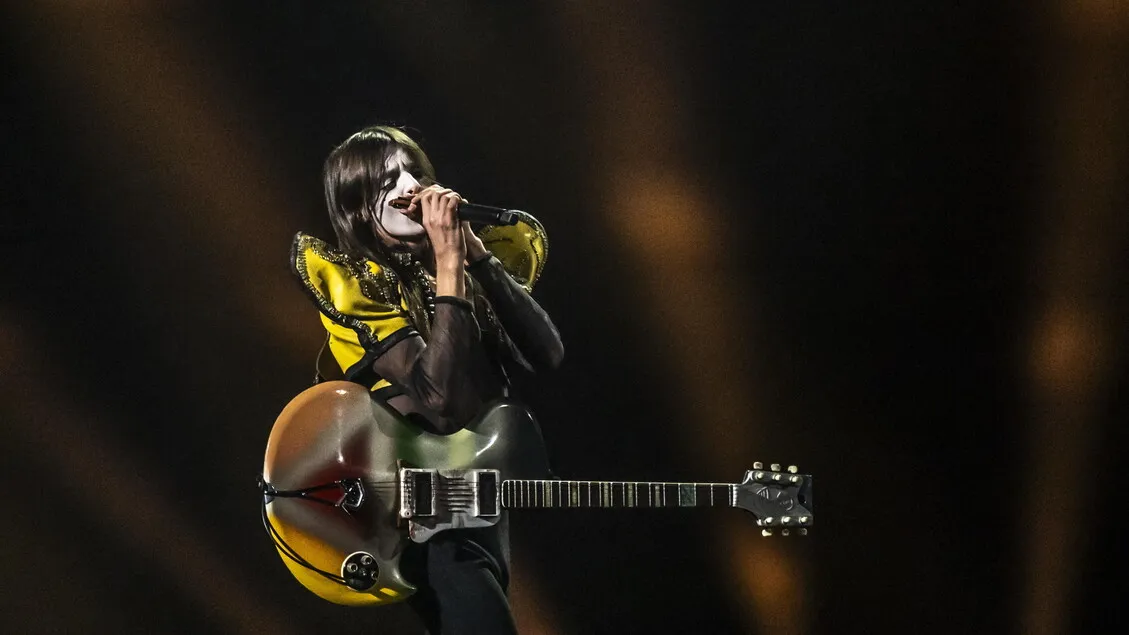
GRENOBLE — Queer Jewish artist Barbara Butch became the victim of a brutal attack when bottles and gravel were hurled at her during a performance on stage in Grenoble, France. This incident adds to a growing list of violence allegedly instigated by the anti-Israel boycott movement, BDS, and highlights the escalating concern over anti-Israel fanaticism in Europe, often supported by segments of the French Left.
The assault occurred without warning, transforming an evening of art into an arena of intimidation and violence. Butch, a figure known for her courage in expressing her identity and views, was forced to halt her performance due to the physical threats. This event is not merely a personal attack but a manifestation of the extreme polarization gripping public spaces.
Barbara Butch, with her Jewish heritage and queer identity, inherently represents a diversity that is often targeted by extremist groups. Her presence on stage should be a celebration of art and expression, not the target of mob anger fueled by a specific ideology.
The Boycott, Divestment, and Sanctions (BDS) movement targets Israel with the aim of exerting economic and political pressure. However, criticism of BDS frequently arises because its tactics are considered to cross lines, even leading to actions that can be interpreted as antisemitic, despite the movement's claim of being solely anti-Zionist.
Support from certain segments of the French political left for BDS has sparked intense debate. A number of critics argue that this support has legitimized actions that reduce the space for freedom of expression and create a hostile climate.
The incident in Grenoble is not an isolated case. Throughout 2026, there have been several reports of pressure and threats against individuals and institutions, even those indirectly connected to Israel or Jewish identity. This phenomenon raises serious questions about the boundary between legitimate political criticism and dangerous fanaticism.
Freedom of expression, one of the pillars of modern democracy, now faces severe challenges. When artists are attacked because of their identity or views associated with them, it erodes the foundations of a pluralistic and open society.
The debate concerning the distinction between anti-Zionism and antisemitism is increasingly relevant. While anti-Zionism theoretically critiques the policies and existence of the state of Israel, opponents argue that in practice, the line often blurs, leading to discrimination or hatred against Jewish individuals.
The French government and local authorities in Grenoble are expected to take firm action to investigate this incident and ensure public safety. Protecting artists and individuals entitled to freedom of expression must be a top priority.
The Jewish community in France and across Europe feels the direct impact of such incidents. A sense of insecurity and marginalization can grow, threatening social cohesion and the principles of inclusivity upheld by the European Union.
This event also serves as a reminder for all stakeholders to foster constructive dialogue and reject all forms of violence and intolerance. Art and culture should be bridges that unite, not battlegrounds for ideologies.
The increase in incidents targeting individuals based on their identity underscores the urgency of consistently upholding the values of tolerance and mutual understanding. Otherwise, a spiral of violence and hatred will continue to erode the fabric of democratic societies.