 Chandra Wijayanto
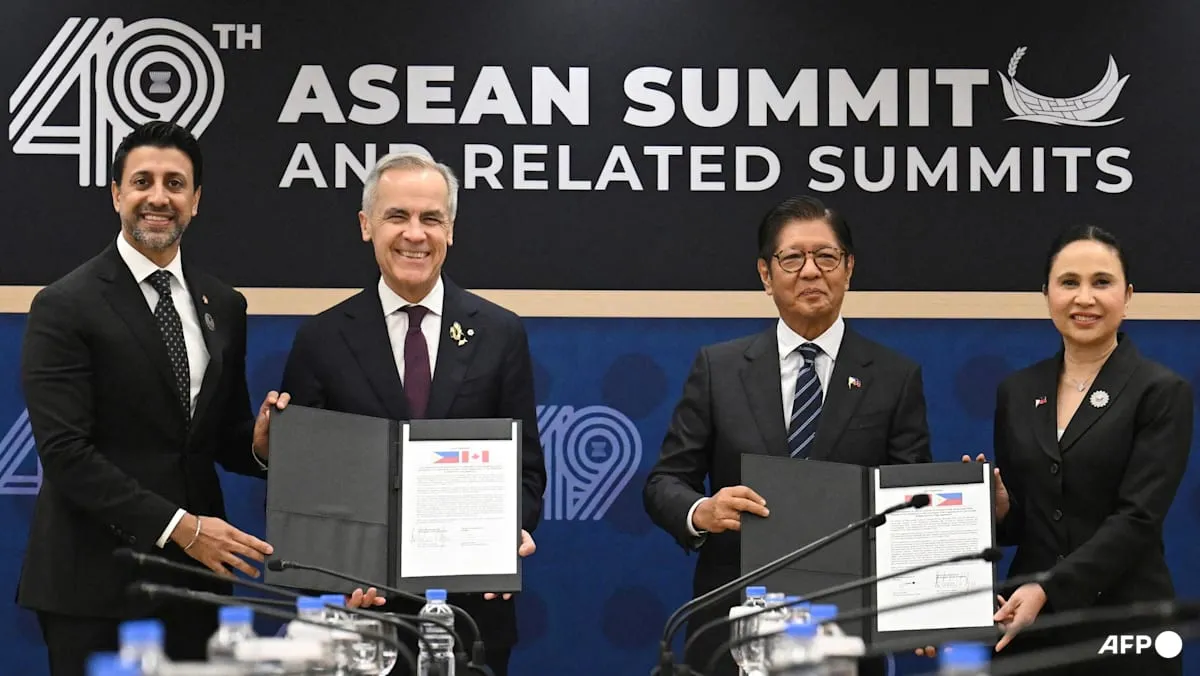
MANILA – Canada and the Philippines are on the brink of signing a comprehensive trade agreement slated to eliminate over 90 percent of tariff lines. Canadian Prime Minister Carney, during a state visit to Asia, officially announced this agreement in principle, projected to encompass sectors ranging from agriculture to artificial intelligence, with the final signing anticipated within the next six months in 2026.
This bilateral accord signals a new era in the economic relationship between the two nations. Its scope of cooperation is extensive, not only covering vital agricultural products for both markets but also extending into strategic industries such as aerospace and cutting-edge technology.
The significant tariff elimination aims to reduce trade costs, boost export-import volumes, and create employment opportunities in both Canada and the Philippines. This measure is expected to accelerate regional economic growth.
PM Carney affirmed, 'This agreement underscores our strong commitment to deepening economic ties with partners across Asia. The Philippines is a rising power, and we foresee boundless potential for collaboration.' The statement was made during a press conference on the sidelines of his Asian tour.
For Canada, this agreement forms part of a broader strategy to diversify its export markets beyond North America and Europe. The Southeast Asian region, with its young population and dynamic economic growth, presents significant opportunities.
Meanwhile, the Philippines will gain broader access to the Canadian market for its products, while also attracting technological investment and expertise from Canada. This aligns with Manila's efforts to modernize its economy.
The focus on artificial intelligence (AI) is a crucial aspect of this agreement. Canada is renowned as an AI innovation hub, and technology transfer alongside research collaboration in this field could provide a significant boost to the Philippine technology sector. The potential and threats of AI have become a global focus, as discussed in the article 'Father of AI: War Awaits, We Are Unprepared for the Threat of Artificial Intelligence!'
The agricultural sector will also experience substantial positive impacts. With tariffs removed, agricultural products from both countries can compete more effectively in their respective markets, benefiting farmers and consumers alike. Similar issues are also important topics in 'Tariffs and Agriculture: US-China Sit Down to Address Trade Tensions'.
Intense negotiations have been ongoing for some time, and the projected signing within six months reflects high optimism from both parties regarding the finalization of the agreement's details.
This agreement adds to a growing list of bilateral and multilateral trade pacts in the rapidly expanding Asian region. It also illustrates a shift in the global trade landscape towards more strategic and targeted partnerships, similar to regional moves like 'ASEAN Inaugurates Digital Economy Pact: A Leap in Regional Collaboration'.
With the implementation of this agreement, both Ottawa and Manila hope to establish a more stable and sustainable foundation for future trade and investment.
Editorial Insight: The Canada-Philippines trade agreement is more than just tariff elimination figures; it reflects a broader geopolitical strategy. Canada aims to strengthen its position in Asia, while the Philippines seeks partners who can accelerate its economic modernization, particularly in high-tech and agricultural sectors. The challenge ahead lies in how effectively this agreement can truly minimize non-tariff barriers and ensure its benefits are distributed equitably among all stakeholders, amidst the uncertainties of the global economy.