 Debby Wijaya
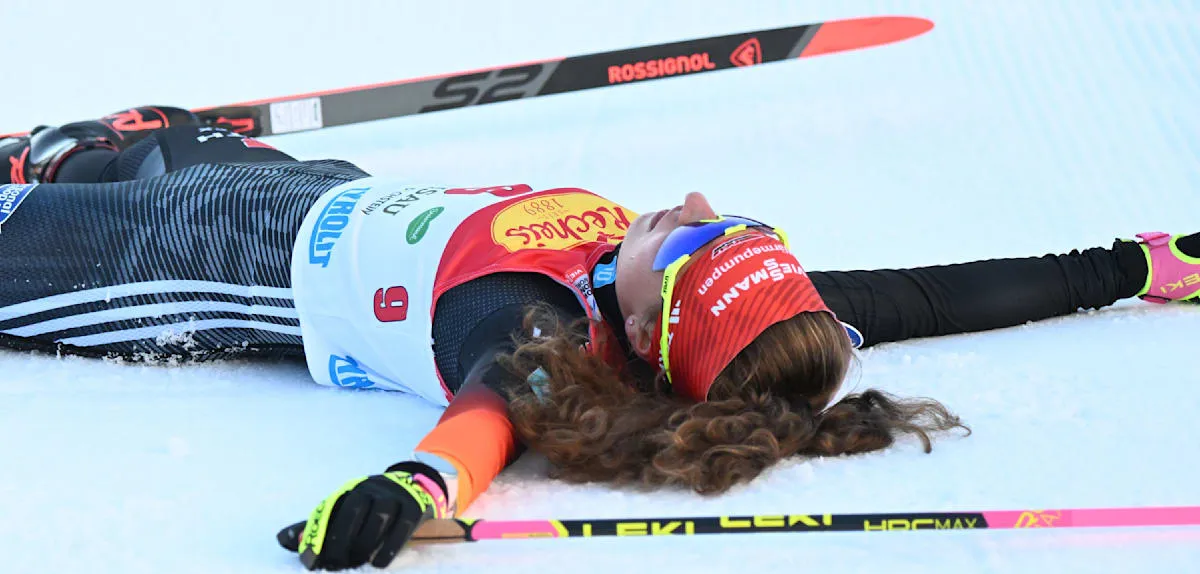
BERLIN — The International Olympic Committee (IOC) has officially removed the Nordic Combined discipline from the Olympic program after more than a century of history, triggering a profound existential crisis for athletes, especially in Germany, in 2026. This drastic decision has shattered the dreams of many competitors and raised significant questions about the future of their careers.
The removal of Nordic Combined marks the end of an era deeply rooted in the traditions of the Winter Olympics. For over 100 years, athletes have competed in this discipline combining ski jumping and cross-country skiing, demanding extraordinary dual expertise and high dedication.
For the athletes, this news came like a bolt from the blue. "It really pulled the rug out from under us; all our long-term goals suddenly vanished," said an unnamed German athlete, describing the moral devastation felt by the entire community.
This existential crisis is not limited to the loss of an opportunity to compete on the world's biggest stage. Many athletes rely on sponsors, federation support, and training facilities, which are now threatened without Olympic status.
The IOC's decision, although not detailed in the initial data, is often based on several factors such as the sport's global reach, gender equality, spectator appeal, and event organization costs. Nordic Combined, historically dominated by male athletes, may have faced challenges in meeting modern IOC criteria.
Germany, as one of the nations with the strongest Nordic Combined tradition and many Olympic medals, feels the most severe impact. The country's youth athlete development programs are now at a crossroads, facing uncertainty without the Olympic prospect as the pinnacle of a career.
Coaches and support staff are also affected. Years of investment in developing techniques, strategies, and training for Nordic Combined athletes must now be re-evaluated. Many may be forced to seek alternative careers outside the sport they love.
The future of Nordic Combined as a sport remains a big question mark. Without the Olympic stage, visibility and funding will drastically shrink, potentially relegating it to a niche sport with increasingly limited participation.
Some parties are calling for national and international sports federations to find innovative solutions. This includes efforts to revive the discipline through strong non-Olympic competitions or even adapt it to better meet the IOC's demands in the future, although such hopes are dwindling.
Athletes now face a difficult dilemma: whether to continue training with faint hope, attempt to switch to other winter sports, or completely abandon the world of competition. The process of adaptation and finding new goals is a major challenge they must confront in 2026 and beyond.
This phenomenon also sparks a broader discussion about the dynamics of the Olympics and how traditional sports struggle to remain relevant amidst changing times and the priorities of the International Olympic Committee. Commercial considerations and global appeal often become key determinants.
The loss of Nordic Combined from the Olympic roster is not merely the removal of one sport but the eradication of a cultural heritage and tradition that has shaped the identity of many sports communities worldwide. It is a bitter reminder of the competitive and often ruthless nature of professional sports.