 Robert Andrison
Washington, DC — US President Donald Trump unequivocally announced the end of the ceasefire with Iran, reigniting deep geopolitical tensions in the Middle East. Trump’s controversial statement, labeling Tehran “a cancer” and threatening new attacks, has provoked a strong response from Iran, which accused Washington of violating the agreement and vowed to react.
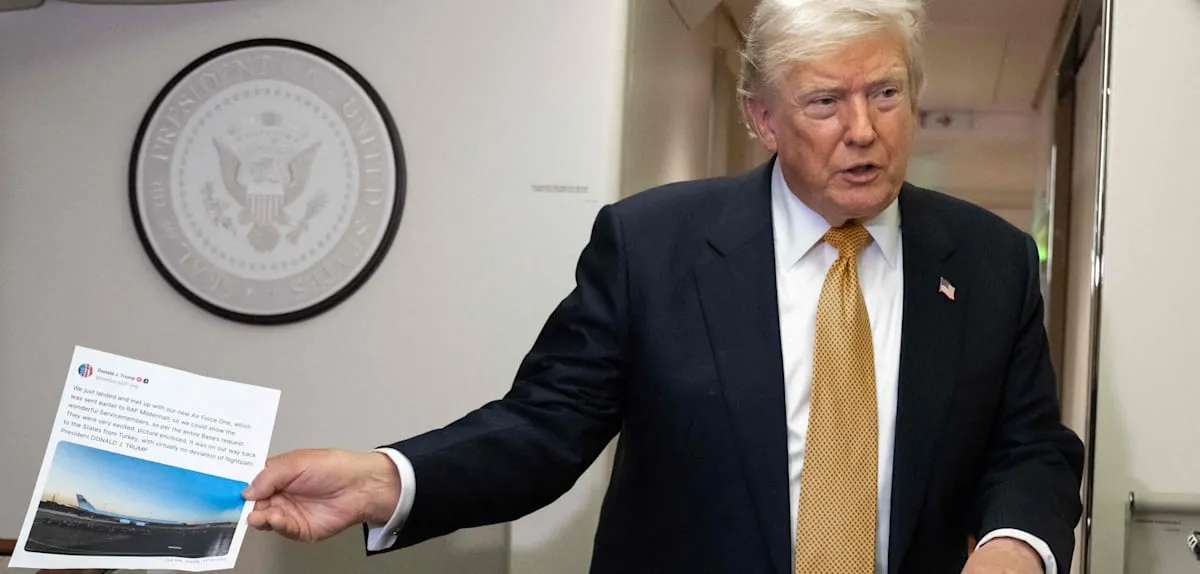
In an impromptu press conference at the White House, President Trump made no secret of his anger over what he termed Tehran’s continuous provocations. “In Iran, the truce is over,” Trump declared, warning that “Tehran is a cancer” requiring decisive action. This statement dramatically reshapes the fragile diplomatic landscape between the two nations.
Tehran’s response was equally direct. Through its Foreign Ministry spokesperson, Iran accused the United States of violating the existing “intesa” or understanding. “We will react to any violation of sovereignty and agreements,” the spokesperson affirmed, indicating that the Islamic Republic would not remain silent in the face of military threats.
This situation revives memories of high tensions that had somewhat subsided. Previously, both nations were involved in a series of incidents, including attacks on tankers in the Gulf and drone strikes, which briefly raised fears of a full-scale conflict. The prior ceasefire, though informal, had provided a short respite from military escalation.
Trump’s rhetoric of calling Iran “a cancer” is more than just a metaphor. Geopolitical analysts suggest this phrase indicates that the Washington administration views the Tehran regime as a fundamental threat that must be addressed aggressively, rather than merely negotiated. This significantly narrows the scope for diplomatic solutions.
The threat of “new attacks” from the United States could refer to various actions, ranging from harsher economic sanctions, cyberattacks, to potential limited military intervention. Potential targets include Iranian nuclear facilities, military bases, or assets linked to the Iranian Revolutionary Guard Corps.
US allies in the region, such as Saudi Arabia and Israel, may view this statement as support for their hardline policies against Iran. Conversely, Russia and China, who have economic and political ties with Tehran, are likely to condemn Washington’s move, complicating global power dynamics.
This strong statement is not the first time President Trump has shaken the international order. His views, often seen as distancing from Europe and destabilizing NATO in 2026, also drew attention. For instance, the article titled "Expert Analysis: Trump’s Political Direction Distances from Europe, NATO Shaky 2026?" previously reviewed these dynamics. The end of this ceasefire also has the potential to trigger "Global Oil Price Hike Threat Looms Post-US-Iran Ceasefire" as previously predicted.
This escalation of tension is certain to trigger volatility in global energy markets. Threats to oil supplies from the Persian Gulf, one of the world’s most vital maritime routes, could lead to a significant surge in oil prices. Investors and market analysts are closely monitoring these developments, given their potential impact on the global economy.
The Trump administration, since the beginning of its tenure, has adopted a confrontational approach towards Iran, especially after withdrawing from the JCPOA nuclear deal in 2018. This latest statement marks the culmination of a harsh rhetoric built over several years, solidifying an uncompromising policy stance.
Despite the heated rhetoric, some observers believe that these threats might be part of a larger negotiation strategy, as discussed in the article "Trump’s Fiery Rhetoric Towards Iran: Negotiation Strategy Behind Harsh Criticism". The primary goal might be to compel Tehran back to the negotiating table on terms more favorable to the United States.
However, with both sides exhibiting firm stances, the prospects for de-escalation appear grim. The world now holds its breath, awaiting the next moves from Washington and Tehran, which will determine the direction of regional and global stability in 2026.