 Edward DP Situmorang
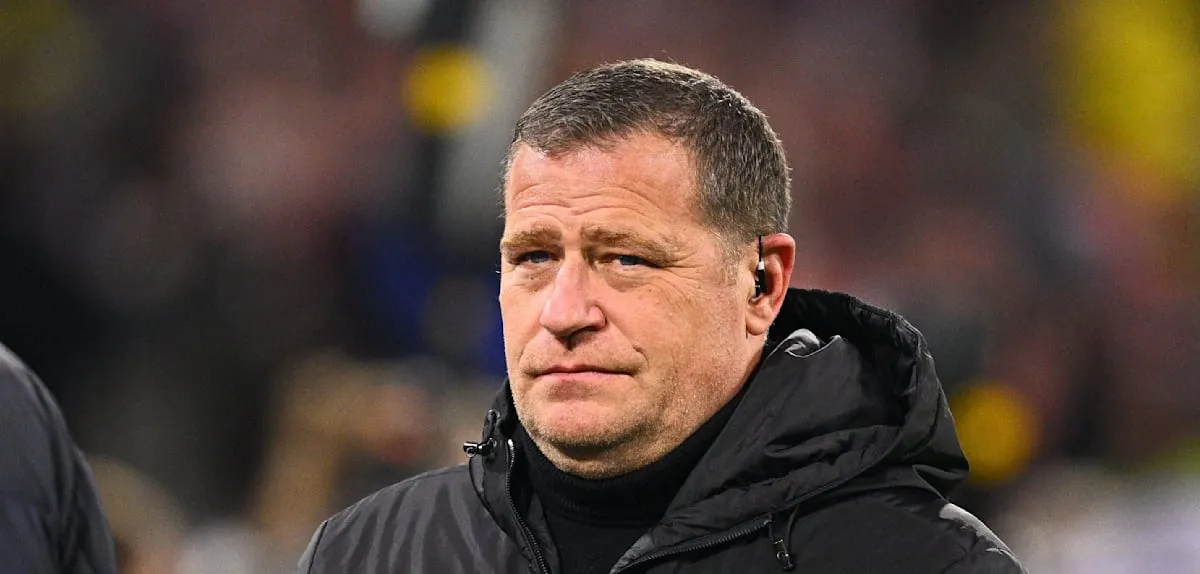
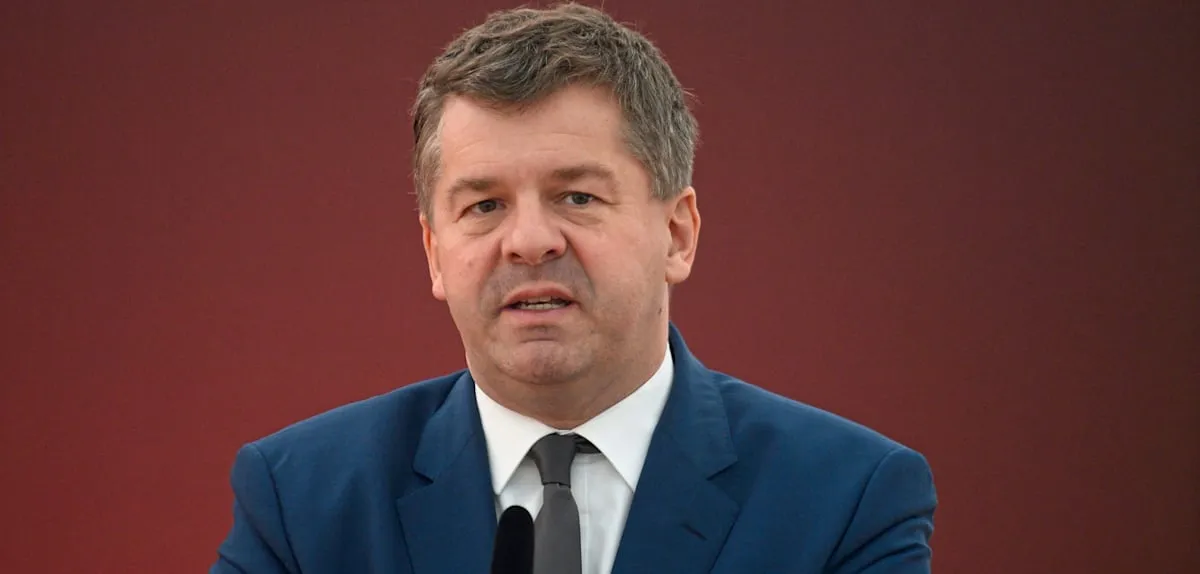
MUNICH – Tensions within FC Bayern Munich escalated after the club's Sporting Director, Max Eberl, launched a sharp jab at club legend and football pundit, Michael Ballack. The conflict originated from Ballack's criticism regarding the handling of Lennart Karl's case, which Eberl countered by questioning Ballack's dual role amidst public scrutiny. The debate was further enriched by Lothar Matthaus's historical parallels.
Eberl, in his latest statement, explicitly responded to the controversy sparked by Michael Ballack's comments. He did not merely refute the criticism but instead focused attention on Ballack's position, which he deemed to have a conflict of interest, implying that Ballack spoke both as a former player and as a party with a potential hidden agenda.
Previously, Michael Ballack had been vocal in criticizing Bayern's policies and decisions regarding a young player, Lennart Karl. These criticisms, broadcast across various media platforms, prompted a defensive reaction from the club's management. The issue of Ballack's dual role, acting as a former player who often serves as a club ambassador or has access, yet also actively functions as a critical commentator, became the focal point of Eberl's counter-attack.
Lothar Matthaus, another German football icon, also offered his perspective on the incident. He saw historical parallels with a situation once experienced by Bastian Schweinsteiger, when Uli Hoeness, a former club president, had instructed Schweinsteiger to change his hairstyle. This comparison highlights a pattern of internal club intervention or criticism that sometimes feels personal.
The Lennart Karl case itself, though not detailed in the source, served as a catalyst for this debate. Ballack's dissatisfaction with how Bayern handled the player, whether in terms of development or contract management, was his primary reason for speaking out. This indicates that Ballack, like many former players, still has a deep concern for the future of Die Roten.
The position of a sporting director, such as Max Eberl, is now under immense pressure. They are not only responsible for team performance and player transfers but also must manage the club's image and face criticism from various parties, including club legends. This is not the first time Bayern executives have had to deal with open criticism from influential figures.
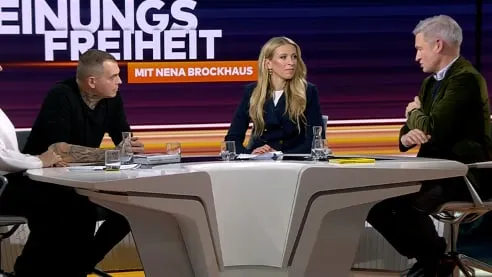
This debate reflects the dynamics of modern sports media, where comments from former players or pundits often become a key ingredient in news coverage. Such opinions can shape public perception and exert additional pressure on club management, creating an intense environment for decision-making, a dynamic similar to the escalating polemics in MotoGP Qatar some time ago.
Open conflict between significant figures can impact the club's image among fans and prospective players. While internal debates are common, their resolution will significantly determine the perception of stability and professionalism for a club as large as Bayern Munich.
This situation also opens up a broader discussion on the ethics of pundits and former players. To what extent can they criticize the club that once brought them fame, especially if they still maintain informal or contractual ties with that club? The line between objective analysis and personal bias becomes blurred.
Editorial Insight: The internal struggle between Max Eberl and Michael Ballack highlights the complexity of modern football club management. The criticism of Ballack's dual role is not just a call for integrity but also a strategic maneuver by Eberl to deflect pressure and assert authority. This event serves as a reminder that even at a club of Bayern's stature, interpersonal friction and interpretations of loyalty are an inseparable part of the larger narrative. The further development of this dispute will determine how the governance of this German giant club is perceived by the public.