 Chandra Wijayanto
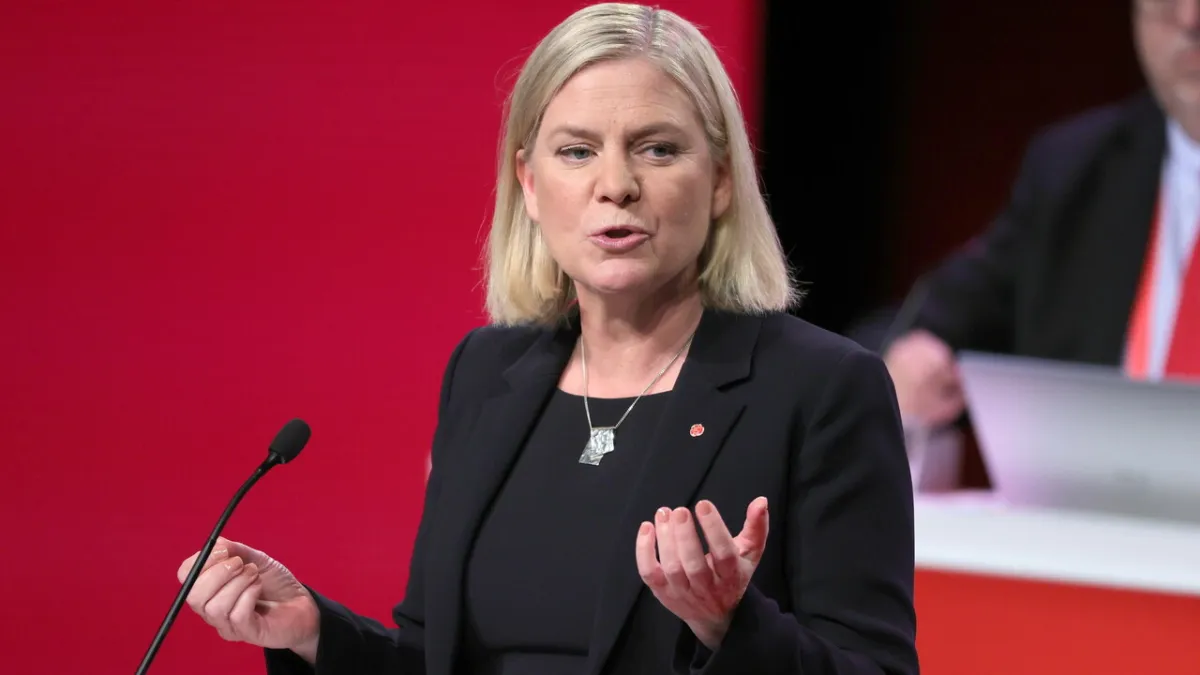
STOCKHOLM – Sweden's left-center opposition bloc currently holds a narrow lead in the general election, introducing significant uncertainty regarding the formation of a new government. With 94 percent of votes counted, this coalition is ahead by three seats, signaling a political battle far from over. These results have surprised many, considering the varied initial projections.
This slim advantage fuels intense speculation about the future of Sweden's political landscape. The coalition-building process is expected to be highly complex and protracted, requiring careful negotiations among various factions.
Latest data indicates that the Social Democrats, as the driving force of the left-center bloc, successfully garnered significant voter sympathy, though not enough to secure an absolute majority. This highlights the deepening political fragmentation within the Nordic nation.
Local political expert, Dr. Ingrid Svensson from Uppsala University, stated, 'Despite the lead, a three-seat advantage is no guarantee of stability. Sweden may face its longest coalition negotiation period in modern history.'
The right-center bloc, though trailing, still possesses substantial strength and will not concede easily. They will look for opportunities to form alternative alliances or press for concessions from their political rivals.
Smaller parties, often kingmakers in such situations, now hold critical cards. Their votes will be crucial in determining the direction of the next government, whether it be a left-center coalition, a right-center one, or even a minority government.
This political uncertainty could impact Sweden's domestic and international policies. Issues such as immigration, climate policy, and defense spending will be major focal points on the negotiation agenda.
Amidst this tension, the Swedish Krona's exchange rate shows slight fluctuations, reflecting market concerns about potential political deadlock. However, some analysts consider these fluctuations within reasonable limits.
A similar situation occurred several years ago, underscoring the recurring challenges in Sweden's multi-party parliamentary system. Minority governments are not new, but a more stable coalition is always preferred.
The Swedish public anxiously awaits the final results and decisions from their political leaders. Public pressure to form an effective and stable government swiftly is intensifying.
This close election result also mirrors previous dynamics, as discussed in articles like Pertarungan Sengit Pemilu Swedia: Blok Kiri-Tengah Unggul Tipis! and Swedia Bergejolak: Sosial Demokrat Unggul, Pembentukan Koalisi Tetap Genting, showcasing an intriguing political pattern in the country.
Editorial Insight: These Swedish election results underscore the trend of political fragmentation in Europe, where no single bloc can easily claim a majority. This will test the political maturity of leaders to compromise for the sake of national stability. The formation of an effective government will be a key indicator of Sweden's ability to navigate complex domestic and global challenges. This period could also set a precedent for other multi-party systems facing similar circumstances.