 Demian Sahputra
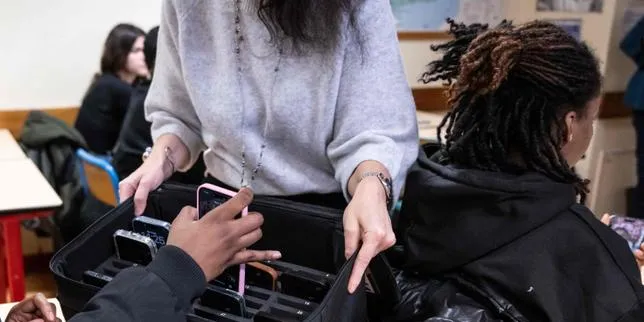
PARIS – The French government asserts that the ban on mobile phone use in high schools (lycees) will effectively be in force starting from the 2026 academic year, despite doubts emerging regarding implementation readiness on the ground. This policy, aimed at improving student focus, faces significant administrative challenges.
The executive's desire for this rule to be applied quickly is hampered by procedural obstacles. Many lycees have not yet had the opportunity to amend their internal regulations, which is a crucial prerequisite.
Amending a educational institution's internal regulations requires an in-depth consultation process with various relevant bodies. This process is vital to ensure the legality, compliance, and acceptance of the policy by all members of the school community.
However, the closure of most lycees during the summer holidays served as a major impediment. Several schools were unable to complete the internal regulation modification procedures within the stipulated timeframe.
This obstacle raises serious questions about the effectiveness of the government's promise and the seriousness of implementing this ambitious policy uniformly across France.
The French government has often launched ambitious education reforms. The mobile phone ban policy is not entirely new. Previously, primary and middle schools have implemented similar rules with the goal of reducing distractions during teaching and learning.
Education observers express concerns that rushing implementation without thorough preparation will create administrative chaos and resistance at the local level. This could potentially undermine the policy's original objectives.
They emphasize the need for more intensive dialogue between the central government, regional education authorities, and school administrations. Close collaboration is believed to be key to the success of any reform.
This policy has also sparked pros and cons among parents and students. Some support it, believing it can improve learning concentration and social interaction, while others consider it an infringement on personal freedom and unrealistic in the digital age.
Several education reforms in France in the past have faced similar hurdles, demonstrating the complexity of the national education system.
This situation underscores how complex it is to translate ideal policies into tangible practice within a large and diverse education system.
The future of the mobile phone ban in French lycees now depends on how quickly and effectively schools can complete pending administrative requirements and the adaptation of all stakeholders.
Editorial Insight: The implementation of the mobile phone ban in French lycees highlights the gap between political intent and bureaucratic realities on the ground. The failure to adapt internal regulations at the school level indicates a lack of coordination or adequate preparation time from the central government. The government needs to re-evaluate the socialization and implementation assistance processes to ensure this policy does not become mere rhetoric without substantive impact. This challenge is not just about mobile phones, but about the overall effectiveness of education governance and reform.