 Dodi Irawan
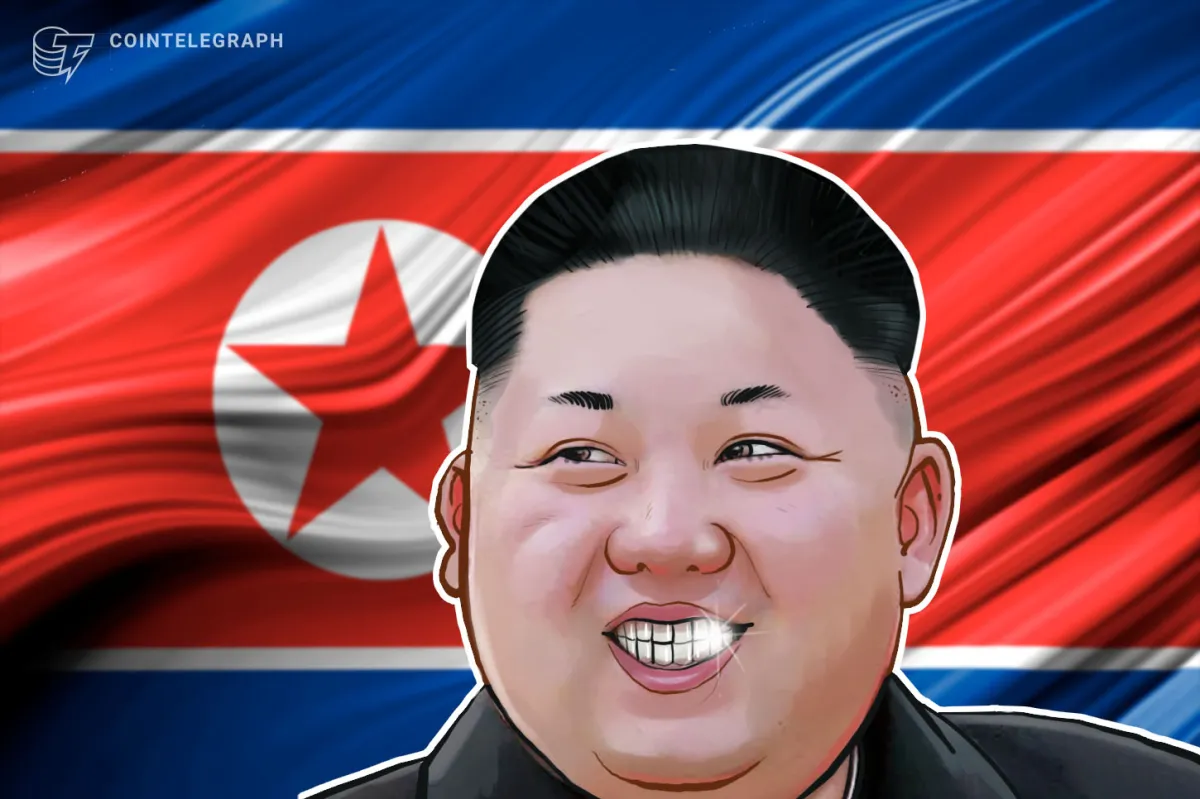
WASHINGTON – The Federal Bureau of Investigation (FBI) has officially accused North Korea of masterminding a record-breaking cyberattack on the Binance cryptocurrency exchange platform, resulting in losses estimated at $6.3 billion. This massive cyber incident not only marks one of the largest digital heists in history but also rocked global crypto market confidence and triggered serious alarms regarding digital asset money laundering in 2026.
The accusation follows an extensive investigation by US authorities pointing to the involvement of the state-sponsored hacking group known as Lazarus Group. This group has long been suspected of conducting a series of cyberattacks to finance Pyongyang's nuclear and missile programs, thereby circumventing stringent international economic sanctions.
The FBI has publicly sought assistance from the private sector to track and block attempts to launder the stolen funds. This step highlights the complexity and scale of the challenge in recovering digital assets that have passed through various networks and crypto wallets.
The Head of the FBI's Cyber Criminal Division, in a statement, affirmed that these stolen funds would most likely be used to finance destabilizing activities. 'We are seeing a clear pattern of the North Korean regime using proceeds from cybercrime to bolster their military capabilities,' he stated.
The scale of this hack far surpasses previous incidents also attributed to North Korea. Previously, North Korea also shook the world with its latest cluster bomb warhead test threatening an area of dozens of hectares, demonstrating its significant financial needs for its military agenda. You can read a detailed report here.
This is not the first time Pyongyang has been accused of cybercrime in the crypto sector. Over the past few years, various intelligence agencies have identified the Lazarus Group as a key perpetrator behind several major hacks, including attacks on the Harmony Horizon Bridge in 2022 and the Ronin Network in 2022.
Binance, one of the world's largest cryptocurrency exchanges, has taken emergency measures to secure its platform and is cooperating with authorities. Although this incident raises doubts, Binance previously claimed to have recovered most of the stolen funds from previous incidents. More information can be found in the article Binance Claims 90% of Stolen Funds Recovered.
International law enforcement agencies, including Interpol and Europol, are expected to step up coordination to crack down on money laundering networks associated with this hack. Similar cases previously uncovered by the FBI, as detailed in the article FBI Uncovers Billion-Dollar Mastermind Behind Binance Crypto Attack, demonstrate that collective efforts are key in combating cross-border cybercrime.
The impact of this hack is not limited to financial losses. It also highlights fundamental vulnerabilities within the digital asset ecosystem and urges regulators worldwide to tighten legal frameworks and oversight of the crypto industry.
Cybersecurity experts warn that as long as there are loopholes and strong incentives, malicious actors will continue to target this rapidly growing sector. User education, regular security audits, and investment in protection technologies are becoming extremely crucial.
This incident underscores the urgency for crypto platforms to significantly enhance their security protocols and for users to implement robust self-protection measures. The increasing complexity of digital transactions demands collective vigilance from all parties.
Editorial Insight: The alleged Binance hack by North Korea's Lazarus Group is not merely an ordinary cybersecurity incident; it is a manifestation of an ongoing digital economic war. With claimed losses of up to $6.3 billion, this incident has the potential to trigger a new wave of regulations in the crypto sector and intensify international pressure on North Korea. Its geopolitical implications, particularly concerning the funding sources for its weapons programs, will be a major focus on the global security agenda, complicating denuclearization efforts on the Korean peninsula.