 Demian Sahputra
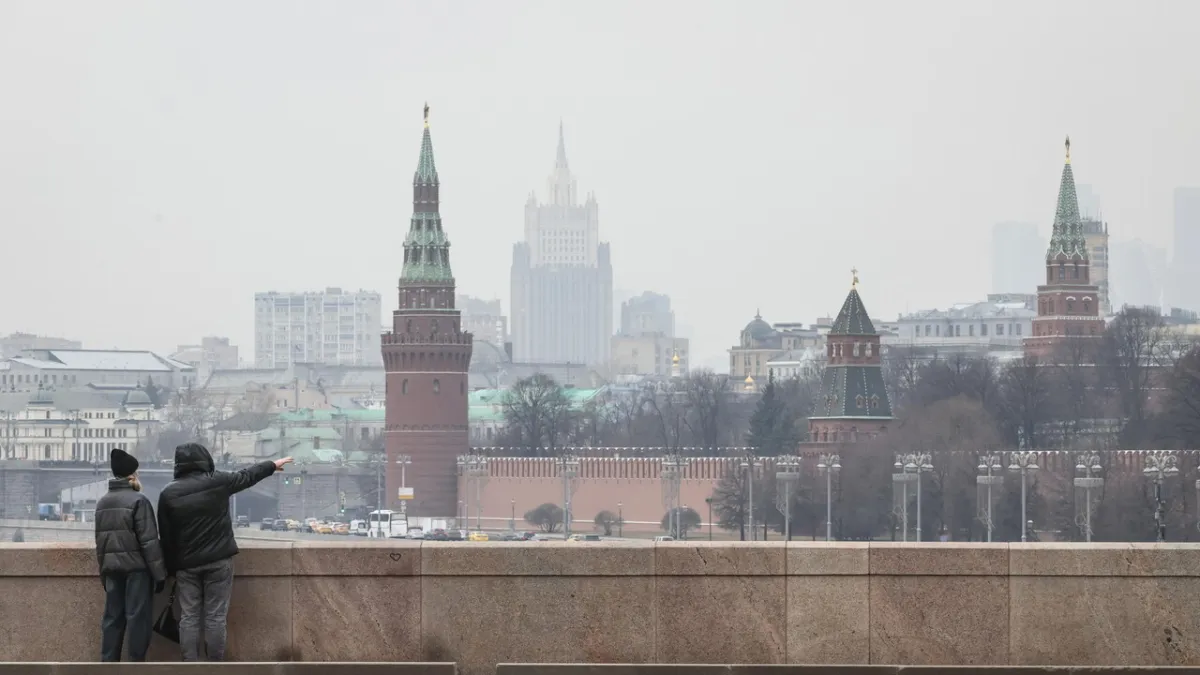
MOSCOW – The Kremlin has unequivocally rejected European Commission President Ursula von der Leyen's demand that a cessation of attacks on energy infrastructure serve as a prerequisite for initiating peace negotiations. This rejection was communicated today by Kremlin spokesperson Dmitry Peskov, who affirmed Moscow's stance that no party can dictate the terms of talks to Russia.
Von der Leyen, in her prior statements, had called for a truce on essential energy site attacks to form the fundamental basis for creating a conducive environment for substantive negotiations. This appeal reflected the European Union's concerns over the humanitarian and economic impacts stemming from military campaigns targeting the energy sector.
However, Moscow perceives this as an attempt to impose unilateral and unacceptable conditions. Peskov emphasized that such demands would only complicate the diplomatic atmosphere rather than paving the way for constructive solutions. We stress, Peskov declared, that no entity or individual has the right to dictate negotiation conditions to us. Russia is ready for constructive dialogue, but without unacceptable and unilateral prerequisites.
The Kremlin's firm stance highlights the wide chasm between the two sides in their efforts to find a resolution to the conflict. Since the escalation of tensions, diplomatic endeavors have frequently been hindered by fundamental differences in perceptions and demands. The European Union, led by von der Leyen, has consistently urged Russia to respect international law and cease its aggression.
Conversely, Russia has repeatedly asserted that its military operations constitute a response to its perceived security threats. Moscow accuses the West and its allies of attempting to weaken Russia through economic sanctions and military support to opposing factions. This viewpoint further complicates the achievement of common ground in any negotiation agenda.
The demand to halt energy attacks, which are strategically vital to Russia's military operations, is regarded by the Kremlin as a form of direct intervention in their sovereignty and defense strategy. Russia views these attacks as an inseparable part of its broader military campaign, not something that can simply be negotiated as a precondition.
This latest statement from the Kremlin adds to a long list of deadlocks in the dialogue between Russia and the European Union. Despite international calls for a peaceful settlement, both sides appear increasingly entrenched in their respective positions, creating a geopolitical landscape fraught with uncertainty in 2026.
Several international political analysts suggest that negotiation offers accompanied by such specific preconditions are unlikely to yield results, particularly when those preconditions touch upon vital aspects of a nation's military strategy. Diplomacy requires flexibility, not ultimatums, explained an observer from a European think tank.
This situation also significantly impacts global energy markets, with the potential for continuous price volatility looming. Supply uncertainties due to attacks on energy infrastructure and prolonged political tensions have become a major concern for many nations, including those in Asia.
These conditions exacerbate the unceasing losses of Russian forces on the battlefield, as reported by Western intelligence, forcing Moscow to confront a recruitment crisis. This illustrates how military and diplomatic pressures are tightly intertwined, forming a spiral of uncertainty.
World leaders, including US President Donald Trump, have called for de-escalation, but concrete steps to achieve this goal remain hampered by fundamental differences in perspective. Peace talks, if they occur, are likely to be a long and winding process, with little hope for quick breakthroughs.
These escalating tensions also threaten regional stability, raising concerns about the possibility of a broader conflict. The international community urges all parties to seek a more open and inclusive diplomatic path, without imposing conditions that would only prolong the conflict.
Editorial Insight: The Kremlin's firm rejection of the EU's negotiation conditions indicates that the prospects for peace remain distant. Each side remains resolute in its demands and principles, creating a diplomatic stalemate that is difficult to break. Without a willingness to compromise on fundamental issues such as the cessation of attacks, negotiations are mere rhetoric. This conflict not only drains resources but also erodes trust, complicating future efforts to rebuild relations. The path to genuine peace requires more than just demands; it necessitates a mutual recognition of the security concerns and legitimate interests of all parties.