 Chris Robert
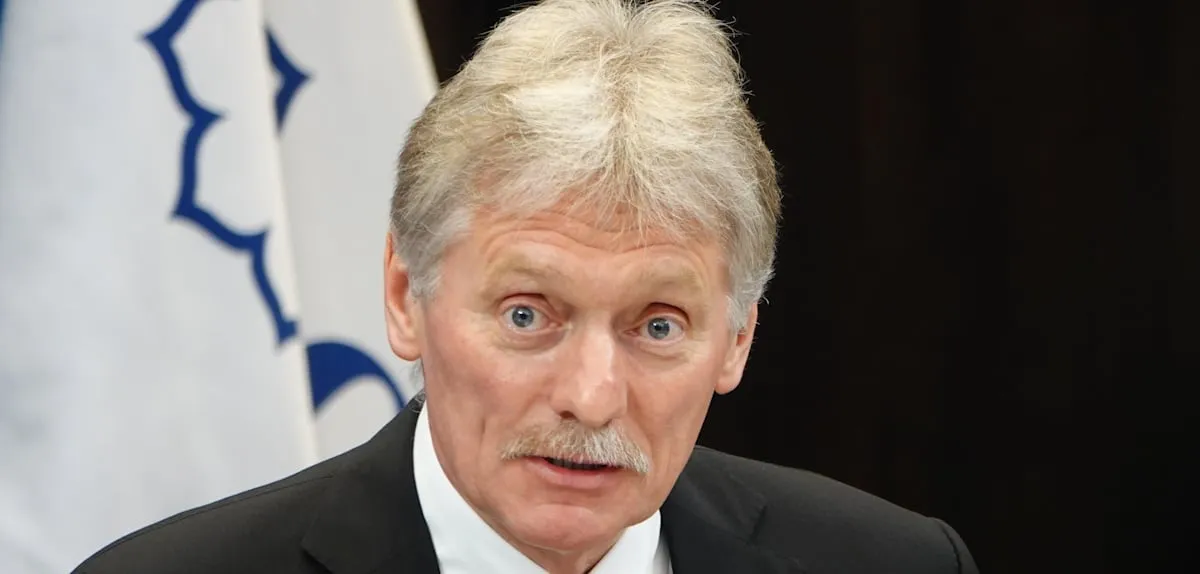
MOSCOW — Kremlin spokesman, Dmitri Peskov, launched a sharp critique against European nations in 2026, accusing them of "brainwashing" their citizens through the massive use of tax funds for armament purchases. This controversial statement comes amid an escalation of military spending in Europe, which Peskov referred to as the continent's "greatest mistake," while dismissing fears of a Third World War.
Peskov asserted that the significant increase in defense budgets across EU and NATO member states is a form of public manipulation. "This is brainwashing for European taxpayers," Peskov stated, underscoring the Kremlin's disagreement with Europe's current security policy direction. According to him, these massive investments are not only futile but also undermine regional stability.
Peskov's harsh rhetoric indicates a sharpening of geopolitical tensions between Russia and the West. Moscow consistently voices concerns over NATO expansion and the strengthening of military capabilities on its western borders, viewing it as a direct threat to its security.
European defense spending has surged significantly in recent years, driven by the ongoing conflict in Ukraine and the perceived threat from Russia. Nations such as Germany, France, and the United Kingdom are committed to meeting NATO's defense spending target of 2% of GDP, even exceeding it in some cases. This phenomenon is also evident from related news such as "Europe Shocks Ankara: Billions of Dollars Flow to NATO Defense 2026," illustrating the scale of investment being made.
Peskov highlighted that Europe's priorities should shift from aggressive military preparations towards dialogue and diplomacy. "Europe's greatest mistake is the belief that they can secure peace through an increase in military power," he said, implying that this path could potentially trigger a larger conflict.
Nevertheless, the Kremlin spokesman sought to alleviate global concerns about a potential World War III. Peskov explicitly stated that Russia has no intention of engaging in a global conflict, although he continues to criticize Europe's defense policies, which he considers provocative.
The "brainwashing" narrative put forward by Peskov is part of the Kremlin's communication strategy to shape international public opinion. Russia often accuses the West of using propaganda and biased information to justify their foreign policies, especially those related to sanctions and support for Ukraine.
The increase in military budgets in Europe, as seen in the purchase of submarines by Germany and other NATO countries, is a response to a changing global security situation. The article "Germany Secures Canadian Submarine Contract: NATO Grows Stronger!" serves as a tangible indicator of this trend, showcasing the alliance's commitment to strengthening its capabilities.
In response to these developments, some parties have called for a more moderate approach. For instance, "Trump Urges Peaceful Dialogue, New NATO Bet Against Putin 2026" reflects calls for de-escalation and talks between major powers, which could be an alternative to an arms race.
Peskov's stance also aligns with earlier reports about potential major changes in Russia's strategy. The article "Peskov Signals Major Change: Russia Reviews Ukraine War 2026" suggests that Moscow is re-evaluating its approach, which could include a more aggressive communication strategy towards the West.
European governments, on the other hand, often justify their defense spending as preventive and defensive measures to protect their sovereignty and security interests from external aggression. They argue that strengthening defense is a logical response to instability in the eastern region.
The long-term consequences of this rhetorical and military tension remain a subject of debate among international relations analysts. The potential for a new arms race is feared to drain economic resources and divert attention from other global challenges such as climate change or pandemics.
Amidst all this, European societies are confronted with contrasting narratives between external threats requiring significant defense investments, and criticism from Moscow accusing manipulation of information. Each side seeks to win public opinion, both domestically and on the international stage.