 Demian Sahputra
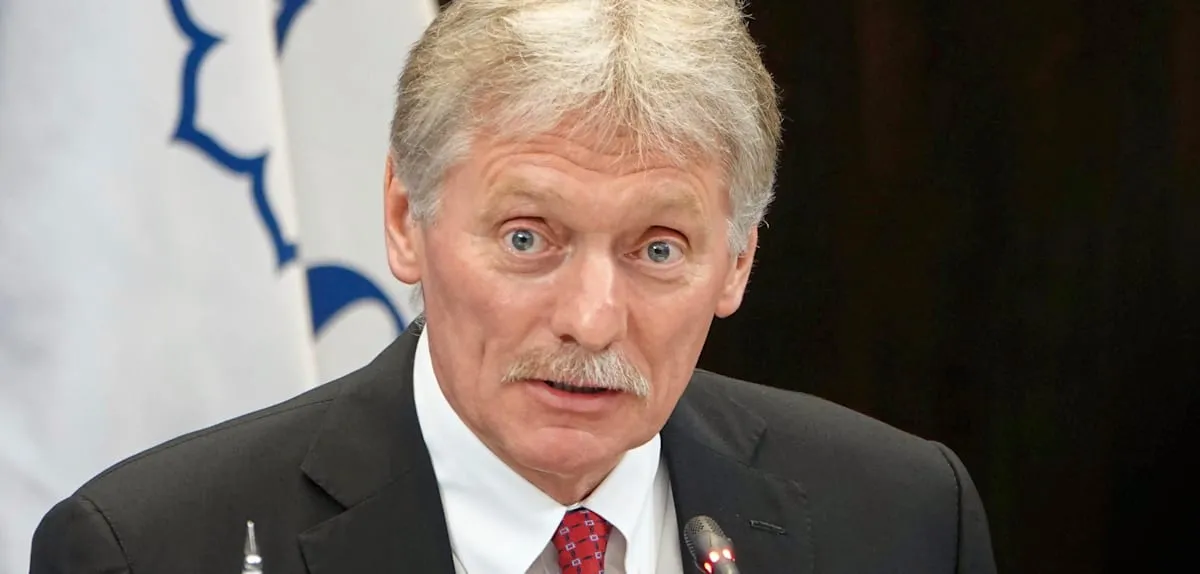
Moscow — The Kremlin has unequivocally rejected former US President Donald Trump's view that Ukraine's retaliatory strikes on Russian territory could serve as a catalyst for ending the war. Kremlin Spokesperson Dmitry Peskov stated that such a perspective reflects a certain “misconception” within Washington's political thinking, while simultaneously issuing severe threats to Ukraine, which continues to target Russia's energy supplies.
Peskov's statement comes as a direct response to beliefs voiced by Trump, an influential figure in American politics, regarding the protracted Russia-Ukraine conflict continuing into 2026. “We see a certain misconception in the views circulating within the White House's political circles,” Peskov said, referring to the perception that Ukrainian military pressure would force Russia to cease its operations.
Donald Trump, who remains a dominant voice in American foreign policy discourse, previously argued that an intensification of Ukrainian attacks on Russian territory, including strategic targets, could accelerate the end of hostilities. This view, while garnering attention, is considered by the Kremlin to be a fundamental misunderstanding of Russia's objectives and resolve in confronting the conflict.
Conversely, Moscow insists that acts of aggression by Ukraine, particularly those targeting vital infrastructure within its borders, will only prolong the conflict and provoke a harsher response. The Kremlin's threats are serious, indicating that any escalation from Ukraine will be met with commensurate action, potentially worsening the humanitarian and geopolitical situation.
Amidst this rhetorical tension, Ukraine continues its strategy of disrupting Russia's energy supply, a move Kyiv considers a legitimate response to the ongoing invasion. These attacks, often involving unmanned aerial vehicles, target oil refineries and energy storage facilities, causing significant damage to Russia's economic infrastructure and fueling volatility in global markets.
The battle of narratives between Washington (represented by Trump's views) and the Kremlin highlights deep strategic differences on how to manage or end this conflict. For the Kremlin, Ukrainian attacks are not a path to peace but a provocation requiring a firm response, underscoring its stance of not yielding to military pressure.
This analysis also refers to Trump's previous statements, often controversial but influential in shaping public opinion and foreign policy, such as his comments on the NATO alliance. Readers can further understand Trump's geopolitical views through the related article “Trump Shakes Allies, Then Claims NATO Solid: Rome 'Good' Again”.
In a broader context, this Eastern European conflict entered an increasingly complex phase in 2026, with both sides showing little willingness to compromise. Russia, feeling its position threatened, increasingly relies on harsh rhetoric and threats to defend what it perceives as its national security interests.
Ukraine's strategy of attacking Russian energy infrastructure is an attempt to increase the cost of the war for Moscow and diminish Russia's ability to finance its military operations. However, this tactic also risks provoking further escalation, as warned by the Kremlin.
International political analysts observe how the views of a figure like Trump, even no longer serving as President, can still shape global perceptions and responses. The misconception alluded to by Peskov demonstrates the complexity of public diplomacy amidst an information war.
The Kremlin's assertion that Ukrainian attacks will not bring peace but worsen the situation underscores Russia's hardline stance. This emphasizes that any diplomatic solution must be based on terms acceptable to Moscow, which often conflict with the demands of Kyiv and its allies.
This escalating tension places the international community at a crossroads, between seeking difficult diplomatic solutions or witnessing a spiral of escalation with potentially broader global impacts on economic stability and security.
This situation also highlights the importance of clear and strategic communication among all parties, although it proves extremely challenging amidst growing polarization and heated rhetoric.