 Dodi Irawan
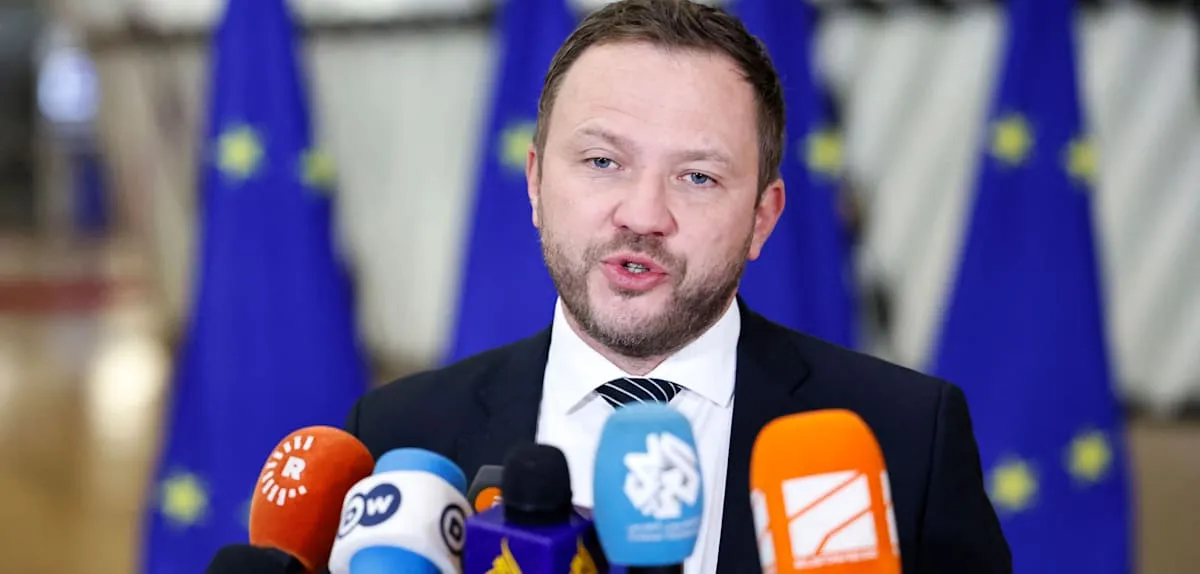
TALLINN — Estonian Foreign Minister Margus Tsahkna has highlighted a significant increase in tensions within the leadership circle of Russian President Vladimir Putin. Tsahkna's surprising statement, delivered in early 2026, suggests that the impact of the war in Ukraine is now increasingly felt in Russia, potentially pushing the Kremlin's internal situation towards an unexpected turning point, even opening avenues for peace negotiations that have long been elusive.
The situation inside Russia, according to Tsahkna, is reaching a crucial phase. Economic and social pressures resulting from the prolonged conflict in Ukraine are beginning to fragment the internal unity around Putin. The war's influence is no longer confined to the battlefield but has permeated the highest echelons of power in Moscow.
Tsahkna elaborated that intelligence observations indicate friction and diverging viewpoints among the elites surrounding Putin. "It is important to understand that discontent can emerge from various angles, including those previously considered loyal," Tsahkna stated in a diplomatic interview cited by local media.
The Estonian diplomat's analysis is not mere rhetoric. He observes "successes" in international efforts to push the Russian President towards the negotiating table. This indicates that communication channels or pressures are beginning to yield results, albeit slowly and with considerable challenges.
However, Tsahkna also offered a provocative metaphor regarding Putin's future. He remarked that "Putin and his family could one day jump out of the window," an expression widely interpreted as a prediction of a sudden political downfall or a forced removal from power due to unbearable internal pressure.
This metaphor, although extreme, reflects a sharp perspective on the fragility of a leader's position often perceived as unshakeable. In the context of Russian politics, jumping out the window is often associated with mysterious incidents or opaque power turnovers.
The continuous impact of global economic sanctions imposed by the international community, such as the freezing of European Union funds for cultural events involving Russia, has further exacerbated domestic economic conditions. This creates an atmosphere of uncertainty and discontent among the Russian populace and oligarchs. The article European Union Slams Venice Biennale: Two Million Euro Funds Frozen Due to Russia serves as a concrete example of such pressure.
The Ukraine crisis, which has entered its crucial years in 2026, has fundamentally altered Europe's geopolitical landscape. Estonia, as a Baltic state bordering Russia, has a strategic interest in closely monitoring developments in Moscow.
International political analysts agree that the prolonged war has incurred significant costs for Russia, both in terms of human resources, economy, and global reputation. The inability to achieve military objectives swiftly has eroded the leadership's legitimacy in the eyes of some segments.
The potential for peace negotiations, though still speculative, offers a glimmer of hope. Tsahkna affirmed that every effort to bring Putin to the negotiating table is a step forward, even if the path to a permanent solution remains long and arduous.
Statements from this high-ranking Baltic official indicate that close scrutiny of the Kremlin's internal dynamics will be key to understanding the future direction of the Ukraine conflict and regional stability. The world awaits whether Tsahkna's predictions will materialize or merely serve as a stark diplomatic warning.