 Chandra Wijayanto
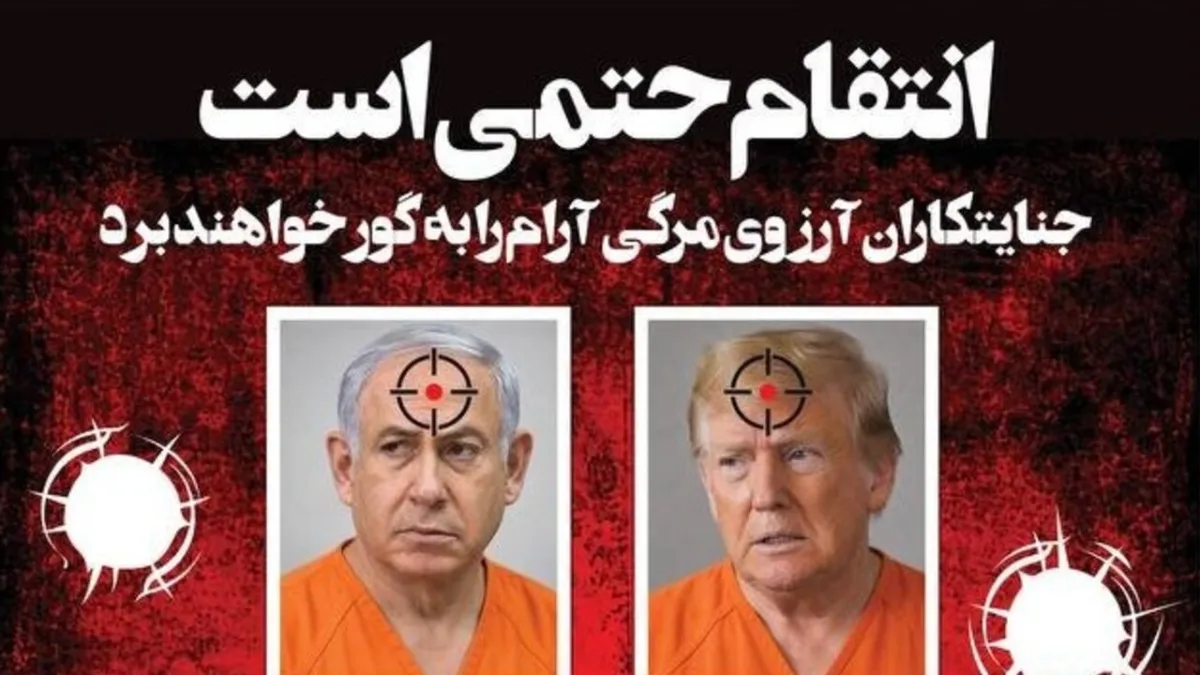
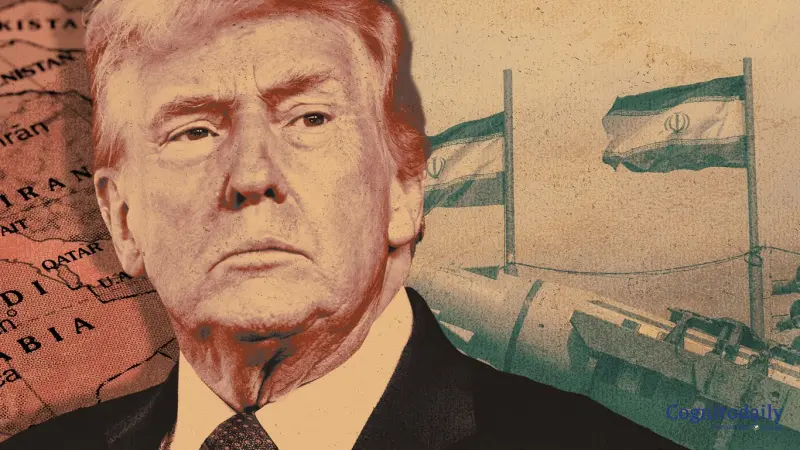
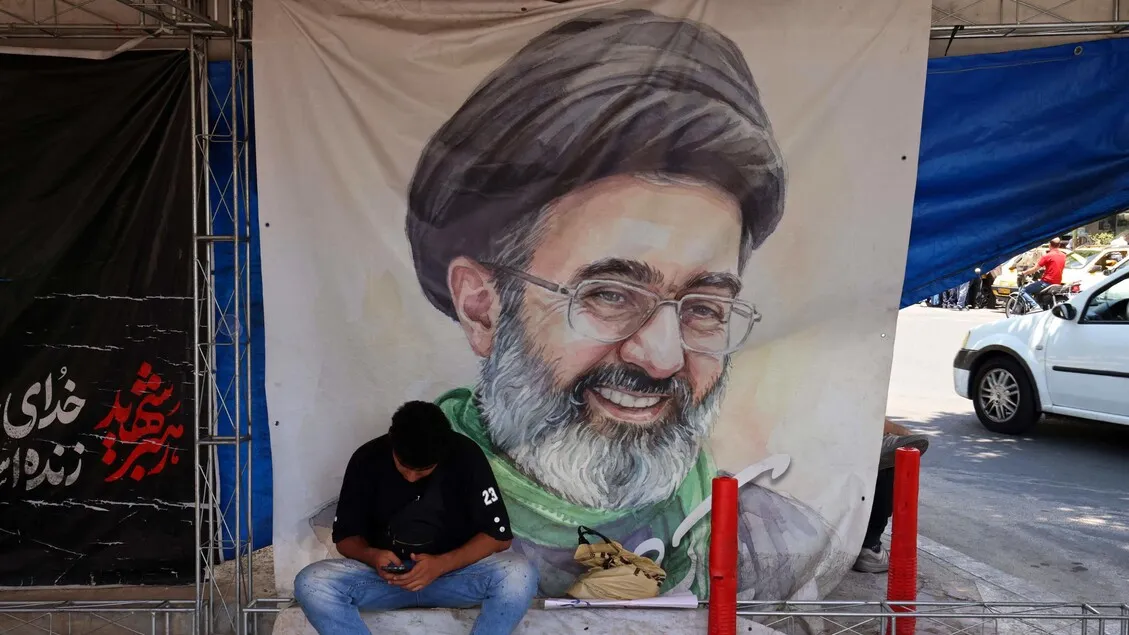
WORLD — The international political arena has been rocked by a serious revenge threat from Mojtaba, who explicitly included Italian Prime Minister Giorgia Meloni, former US President Donald Trump, and Israeli Prime Minister Benjamin Netanyahu on a 'blacklist'. This threat has sparked global concerns regarding the escalation of geopolitical tensions in 2026, highlighting the vulnerability of global stability to provocative rhetoric.
The statement, delivered by Mojtaba, the son of a prominent figure in the Middle East, called for retribution for his father's death. Details regarding the specific identity of the father and the incident of his death were not explicitly disclosed in the threat, but its political implications are strikingly clear and unsettling to many.
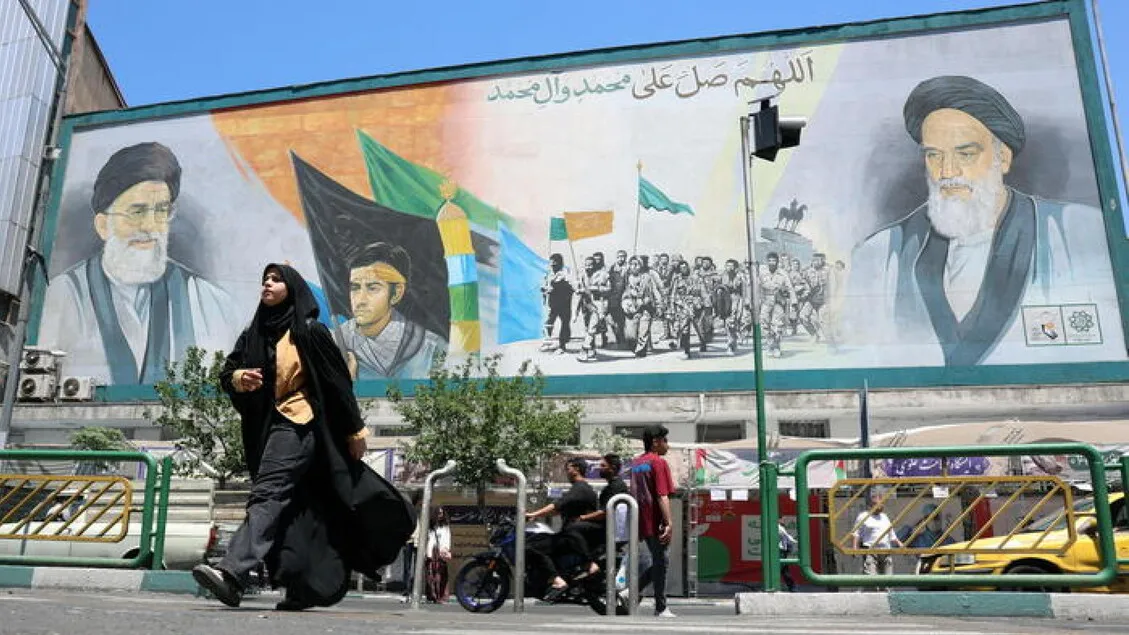
Intelligence sources indicate that this statement originates from Tehran, forming part of a broader response to events Mojtaba believes constitute acts of aggression against his family. This is not the first instance of a Middle Eastern figure issuing such a warning, but the direct targeting of influential world leaders gives it a different weight and elevates the level of alert.
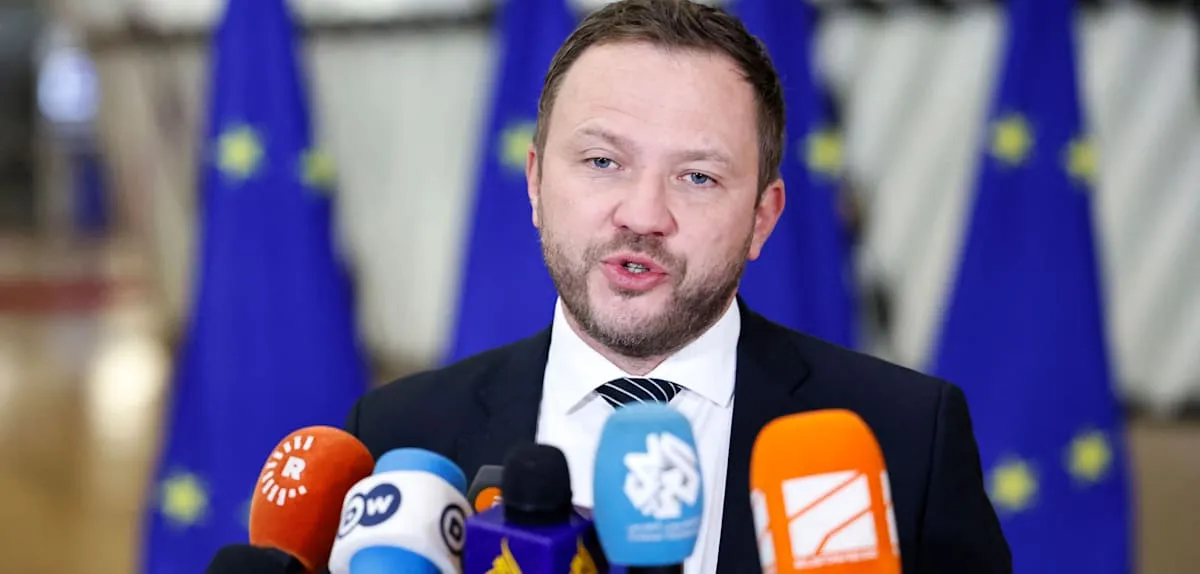
In Rome, Prime Minister Giorgia Meloni immediately received a wave of solidarity from various parties, both domestically and internationally. Her cabinet, particularly Italian Foreign Minister Antonio Tajani, promptly responded.
“Our full solidarity goes to Prime Minister Meloni. Italy is a country that upholds sovereignty and will never be intimidated by such threats,” Tajani stated during a press conference. His remarks underscored Rome's firm stance in confronting international pressure, asserting that Italy's sovereignty is inviolable.
Meanwhile, in Washington D.C., political circles surrounding Donald Trump reacted to the threat with vigilance. Trump, known for his confrontational diplomatic style and frequently a target of various criticisms and threats during and after his presidency, has always been a central figure in geopolitical dynamics. History shows he has often been involved in controversies, including those related to political retribution efforts, such as in the case of Political Revenge: Trump Targets NYT over Air Force One Security Leak.
International security analysts believe Mojtaba's threat must be taken seriously, even if its specific context is not fully transparent to the public. They emphasize the necessity of increased vigilance and security for the mentioned leaders, given the potential destabilization it could cause.
This situation adds to the long list of tensions in the Middle East involving Western nations. The implications of such threats can further muddy already complex diplomatic relations and trigger stricter security responses worldwide, particularly in vulnerable regions.
Political observers highlight that the use of the term 'blacklist' indicates a serious intent for retaliation, although the modus operandi and scale of the threatened attack remain unclear. This creates uncertainty amidst fragile global stability, exacerbating perceptions of security risks.
Prime Minister Meloni, who is currently navigating various domestic and regional challenges, must now also manage this significant external threat. Tajani's firm stance reflects the Italian government's readiness to address the situation with a full commitment to national and international security.
Nevertheless, the international community is expected to unite in condemning all forms of violent threats against state leaders and uphold the principles of international law. Dialogue and diplomacy remain the primary avenues for de-escalating tensions, although in this instance, rhetoric has reached a critical point requiring immediate attention.
Threats of this nature not only target individuals but also democratic institutions and state sovereignty. A collective response from the international community will be key to asserting that intimidation and violence have no place in a civilized world order.