 Chris Robert
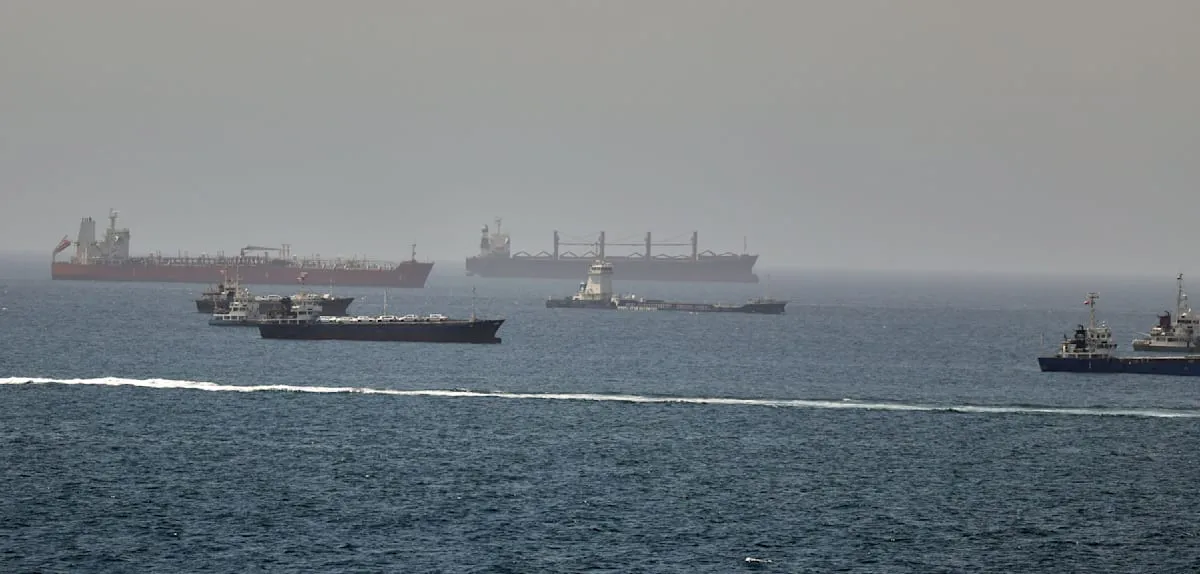
PERSIAN GULF – Geopolitical tensions in the Strait of Hormuz have reached a critical point following an intensified series of attacks on oil tankers. The latest incidents in 2026 have left hundreds, estimated to be around 400 ships, stranded and unable to proceed through these strategic waters. The Strait of Hormuz, long the lifeblood of global oil trade, is increasingly entangled in escalating regional conflict, particularly the Iran war.
Attacks on commercial vessels, especially oil tankers, have become a worrying pattern in the region. Maritime analysts indicate that the frequency of these incidents has significantly increased, raising serious concerns about the security of international shipping lanes. An effective blockade, whether intentional or an indirect consequence of uncertainty and security risks, now threatens the global energy supply chain.
This situation poses a major dilemma for shipping companies and nations heavily reliant on oil exports from the Persian Gulf. These vessels choose to delay departure or seek much longer and more expensive alternative routes, if available, rather than risk traversing the Strait of Hormuz. This condition directly impacts crude oil prices in the global market, which are predicted to experience a significant surge.
The Strait of Hormuz, connecting the Persian Gulf to the Arabian Sea, serves as the passage for approximately one-third of the world's crude oil and liquid natural gas. Its width, only about 39 kilometers at its narrowest point, makes it highly vulnerable to disruption. For Iran, control or the threat of control over this strait represents a crucial strategic instrument in its regional and international conflict dynamics.
The conflict involving Iran has transformed these waters into a geopolitical bottleneck. Every provocative act or retaliation in the Persian Gulf has the potential to trigger a wider crisis, drawing the attention of global powers with vested interests in the stability of energy supplies. The international community urges all parties to exercise restraint and seek peaceful resolutions.
The United States government, under the leadership of President Donald Trump, through its spokesperson, expressed deep concern over the situation. They affirmed a commitment to upholding freedom of navigation in international waters and warned against any actions that threaten commercial shipping. However, concrete responses are still under discussion at diplomatic and security levels.
Beyond economic impacts, this crisis also raises serious environmental concerns. The potential for oil spills from damaged or sunken tankers could cause large-scale ecological disasters in the biologically rich waters of the Persian Gulf. Environmental organizations are calling for immediate protection of the threatened marine ecosystems.
Despite ongoing behind-the-scenes mediation and diplomatic efforts, tangible progress remains elusive. The complexity of geopolitical interests, historical animosities, and a lack of mutual trust among parties make resolving this conflict increasingly challenging. Various scenarios, ranging from increased military patrols to direct negotiations, are being considered to de-escalate tensions.
Analysis from global intelligence agencies suggests that the escalation in the Strait of Hormuz is part of Iran's strategy to exert pressure against economic sanctions and gain a stronger negotiating position. However, this move risks provoking a strong response from other nations with vital interests in the stability of oil supplies.
The long-term impact of this crisis could reshape the global energy landscape. Oil-importing nations may accelerate energy source diversification or investment in alternative transportation routes to reduce dependence on the increasingly insecure Strait of Hormuz. This would trigger significant shifts in international energy strategy.
Editorial Insight:
The situation in the Strait of Hormuz is not merely a maritime incident but a stark reflection of the fragile geopolitical balance in the Middle East. The escalation of attacks on tankers indicates that tolerance limits have been exceeded, bringing the world to the brink of an energy crisis and broader conflict. Without decisive diplomatic intervention and the willingness of all parties to de-escalate, the Strait of Hormuz will continue to be a flashpoint threatening global stability. Sustainable solutions require more than military responses; they demand constructive dialogue and an understanding of the root causes of regional conflicts.