 Chandra Wijayanto
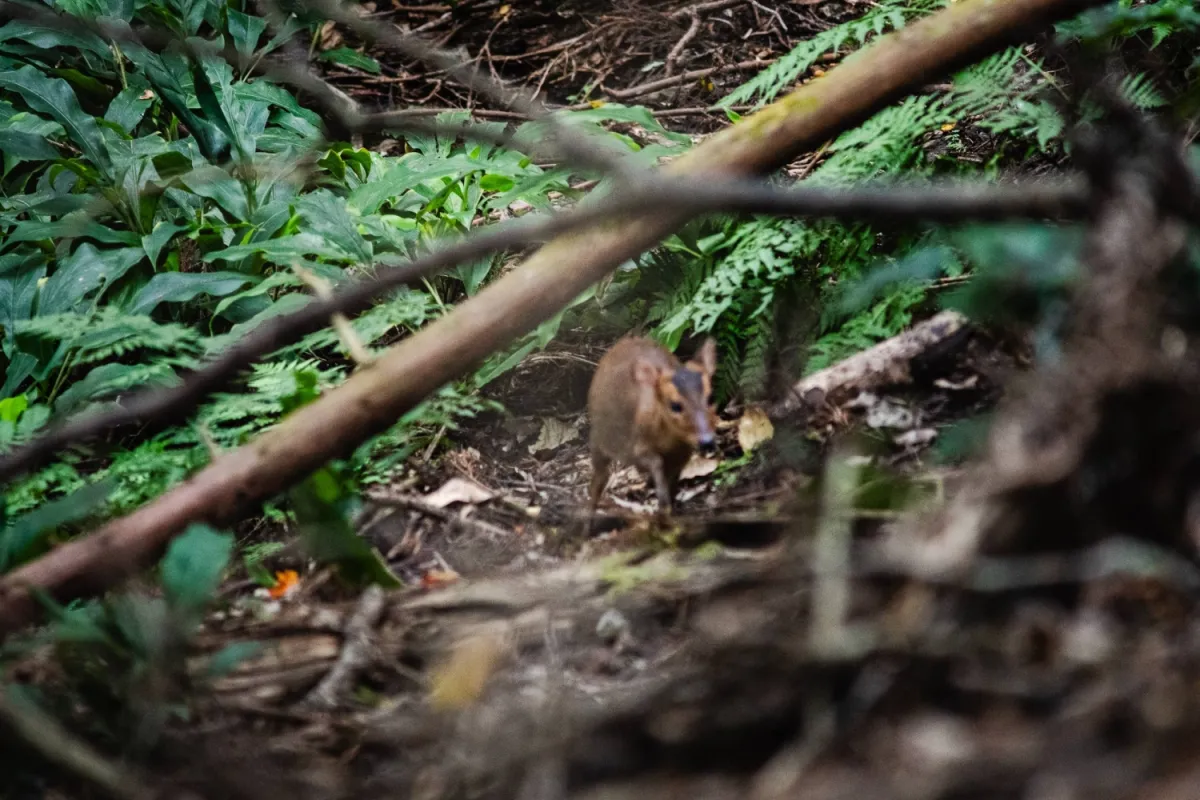
CHIBA – Chiba Prefecture, Japan, is facing a severe ecological threat due to the massive invasion of kyon deer (Reeves muntjac), an exotic species now rampant throughout the region. The drastically surging population is causing havoc for the local agricultural sector, forcing farmers to desperately fight to protect their land and livelihoods from uncontrolled destruction. Mild climate conditions and abundant vegetation in the area are the primary factors behind the rapid spread of these animals.
Kyon deer, also known as Reeves muntjac, are small mammals native to East Asia. Initially introduced to Japan for hunting purposes, their presence has now turned them into predators of the agricultural sector. Their high adaptability to various habitats, coupled with a lack of natural predators, has allowed this species to proliferate unhindered.
The economic impact is profoundly felt. Reports from the Chiba farmers association indicate crop losses amounting to billions of yen annually. Crops such as rice, corn, vegetables, and fruit trees are primary targets of destruction by kyon herds. This situation directly suppresses farmers' income, even forcing some to abandon their ancestral profession.
Beyond agriculture, the kyon invasion also damages forest ecosystems and natural landscapes. They consume young shoots and tree bark, hindering forest regeneration and reducing biodiversity. This change in vegetation structure, in turn, affects native species and the ecological balance in Chiba.
Environmental factors in Chiba exacerbate the problem. Mild winters and an abundance of food sources and shelter in the mountains and urban fringes create ideal conditions for kyon breeding. The warm environment allows them to mate year-round, resulting in an exponentially growing population.
The prefectural government and farmer communities have implemented various mitigation strategies. Active hunting, installation of electric fences, and the use of traps are common methods employed. However, the ever-increasing scale of the problem often makes these efforts feel like digging a well with a spoon.
The challenges to the effectiveness of mitigation programs lie in several aspects. Firstly, the operational costs of hunting and maintaining preventive infrastructure are very high. Secondly, there is an insufficient number of adequately trained hunters. Thirdly, the cunning nature of kyon and their ability to quickly adapt to threats make them difficult to eradicate completely.
An unnamed official from the Chiba Prefectural Environmental Department stated, 'This is not just an agricultural problem; it is an ecological crisis that requires a multidisciplinary approach and long-term commitment. We expect the population to continue to increase if there are no significant breakthroughs in our strategy.'
The long-term impact of the kyon invasion has the potential to threaten regional food security, not only in Chiba but also in surrounding areas. Dependence on food imports could increase, and local commodity prices might surge, burdening consumers.
More innovative and collaborative solutions are needed. Research into biological control methods, the development of more sophisticated animal repelling technologies, and public education campaigns to raise awareness are crucial steps. Cooperation among local governments, academics, and conservation organizations is key to success.
Issues with invasive species like kyon in Chiba are not isolated phenomena. The world currently faces various complex environmental challenges, including the increasingly pressing global climate change. These environmental issues are often interconnected, as seen in international debates concerning climate commitments. For instance, an article about \The United States Absent at COP31: Global Climate Future Shaky\ underscores the urgency of collective action against ecological crises.
Awareness of the interconnectedness of environmental problems must spur greater commitment from all parties. Protecting agricultural land and ecosystems from kyon invasion not only means safeguarding the local economy but also contributing to the overall health of the planet. Hope lies in concerted and sustained efforts to find a balance between human activities and nature.
Editorial Insight: The kyon deer invasion in Chiba is a stark reflection of the complexity of modern environmental challenges. This phenomenon demands not only a swift response from local authorities but also long-term adaptation strategies that consider ecological and social dynamics. Success in addressing this issue will depend on innovation, community participation, and the recognition that environmental problems know no geographical boundaries but require integrated global solutions.