 Robert Andrison
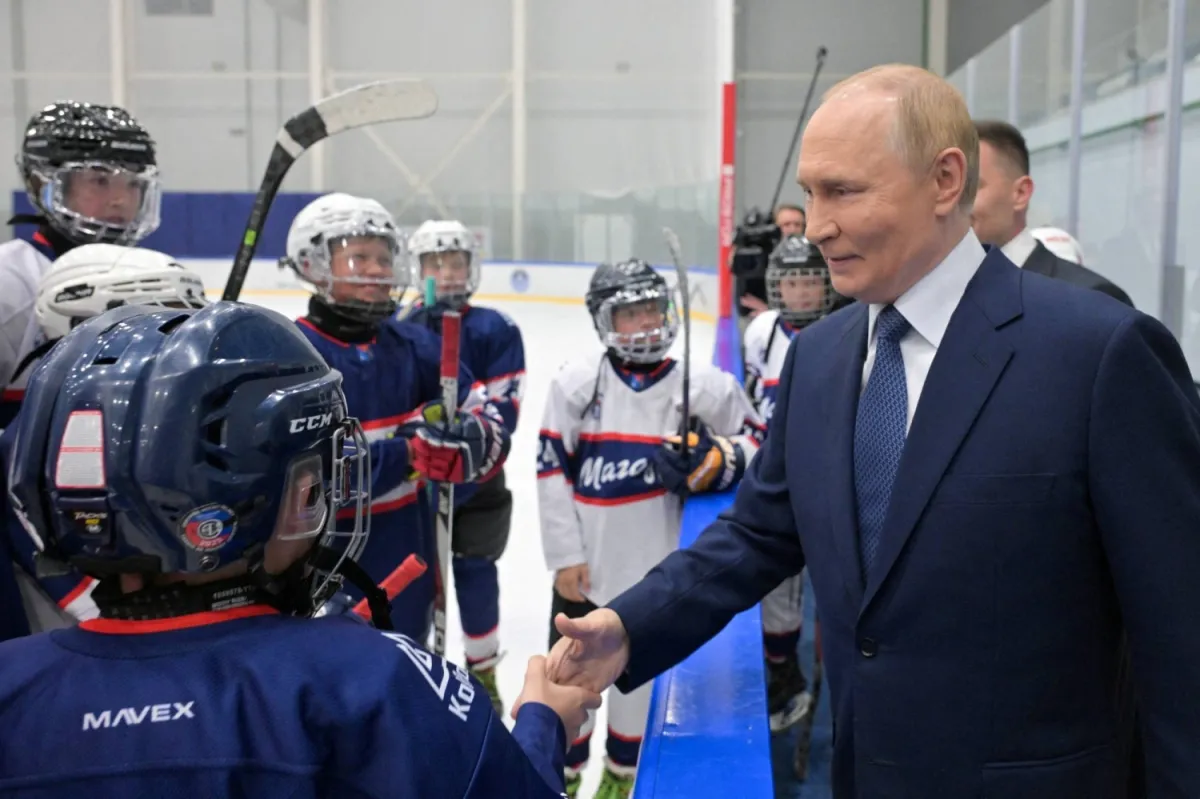
OTTAWA – The Russian junior ice hockey team will not compete in the 2026 World Junior Ice Hockey Championship slated to be held in Canada. This decision follows Canada's firm refusal to grant entry to the Russian contingent, a move subsequently affirmed by the International Ice Hockey Federation (IIHF) despite having considered alternative hosting arrangements. This incident marks an escalation of geopolitical tensions spilling into the realm of international sports, sparking widespread debate about the separation of politics and athletic competition.
This prohibition on Russian participation is not merely a routine visa denial. It reflects a broader political stance by the Canadian government concerning ongoing global situations, which have impacted various aspects of international relations, including sports. Similar incidents have previously set precedents for banning Russian athletes from various international events.
The IIHF, as the global governing body for ice hockey, faced a serious dilemma. In its statement, the IIHF revealed that it had considered alternative arrangements for the 2026 World Championship. These options likely included relocating the event or seeking a compromise to ensure the participation of all nations.
However, following an in-depth evaluation, the IIHF decided to maintain Canada as the host nation for the World Championship. This decision implicitly endorses Canada's policy in restricting Russian participation, and in turn, places the IIHF in a difficult position between upholding the integrity of the competition and responding to geopolitical pressures from member states.
The immediate impact of this ban is, of course, profoundly felt by the Russian junior hockey athletes. They are losing a valuable opportunity to compete on an international stage, an event that often serves as a stepping stone to higher professional careers. The development and competitive spirit of these young athletes are being hindered by decisions beyond their control.
The Russian Ice Hockey Federation has not yet issued a detailed official statement, but disappointment is expected to be widespread among fans and hockey stakeholders in the country. This ban adds to a growing list of sports sanctions imposed against Russia, raising questions about their future participation in global arenas.
From Canada's perspective, the decision to ban the Russian team is an assertion of their sovereignty and principles. As the host nation, Canada has the right to determine who may and may not enter its territory, especially when strong national security or political considerations are at play.
This situation also highlights the complexity of managing global sporting events amid a volatile geopolitical landscape. The IIHF and other sports organizations continue to grapple with the challenge of separating sports from politics, an idealism that is often difficult to maintain in practice.
Sports analysts suggest that this decision could provoke a response from Russia, potentially affecting the future participation of Canadian or allied athletes in competitions hosted within Russian territory or under its influence. This could spiral into a vicious cycle of sports retaliation.
The World Junior Ice Hockey Championship is one of the most prestigious tournaments in the hockey world, where future stars showcase their talents. The absence of a traditional hockey powerhouse like Russia will undoubtedly diminish the depth of the competition and may significantly alter the dynamics of the 2026 tournament.
The IIHF's decision to retain Canada as host, despite the exclusion of Russia, demonstrates a priority to maintain logistical stability and honor existing commitments. It also reaffirms the authority of a host nation in the context of international travel regulations.
This case is reminiscent of Russia's border tensions with other European nations. Global political conflicts are indeed increasingly spilling into various sectors, including sports, which ideally should be a platform for unity and sportsmanship.
The international community, particularly the hockey fraternity, now awaits how both sides will respond to this situation moving forward. Will there be diplomatic efforts to resolve this deadlock, or will sports sanctions further deepen the divide between nations?
Editorial Insight: The decision to ban the Russian junior hockey team illustrates the blurring lines between sports and politics. For the IIHF, retaining Canada as host is a pragmatic logistical choice, but symbolically it solidifies political pressure. The long-term impact on athlete development and global sportsmanship needs careful consideration, as such polarization has the potential to undermine the very essence of international competition.